The link between humans and spirit animals goes way back to ancient times. It started with early cave paintings. In many cultures, spirit animals are seen as key to both the natural and spiritual worlds.
These animals are shown in stories, art, and rituals. They are believed to talk to spirits and have special powers. This shows how important these animals are in human life.
Myths and folklore tell us about the roles of these animals. They show how closely linked humans are to them. The way spirit animals are shown in culture shows their deep spiritual meaning. It shows how much humans rely on these powerful symbols.
Native American Spirit Animals and Their Symbolism
Explore the world of Native American spirit animals and you’ll find a deep connection with nature. These animals are more than just creatures; they hold wisdom and link us to our ancestors.
Roles and Traits of Spirit Animals in Native American Beliefs
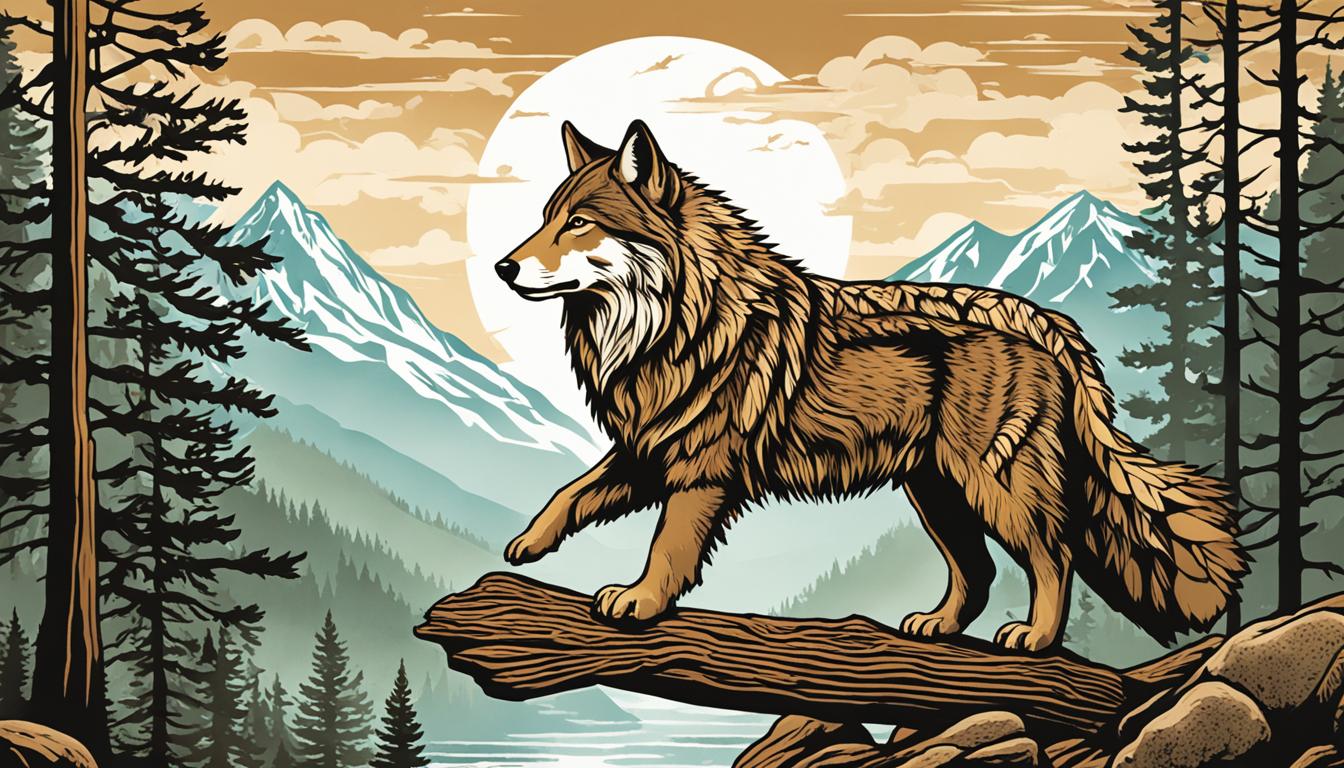
Spirit animals are guides and protectors for Native Americans. Animals like wolves, eagles, and bears are seen as spirit guides. They give people their traits and strengths. For example, an eagle means vision and freedom, giving one clear sight and a free spirit.
Animal Totems and Clans
Animal totems are a big part of Native American culture. Totem poles show family lines and stories. Each animal on the pole has a special meaning, guiding and protecting families.
Shapeshifters and Their Spiritual Significance
Shapeshifters are important in Native American beliefs. They can change into animals, blending human and animal traits. Shamans use their powers in rituals and healing. For instance, they might become an owl for wisdom or a wolf for loyalty.
| Spirit Animal | Mystical Meaning | Tribes Associated |
|---|---|---|
| Eagle | Vision, Freedom | Apache, Cherokee |
| Wolf | Loyalty, Community | Pawnee, Blackfoot |
| Bear | Strength, Courage | Sioux, Navajo |
| Owl | Wisdom, Insight | Hopi, Shawnee |
Spirit Animals in Ancient Egypt
You’re drawn to the rich world of *Egyptian mythology animals*. Here, creatures were seen as more than just animals. They were divine messengers, linking everyday life to the spiritual world.
Symbolism and Significance of Animals in Egyptian Mythology
In ancient Egypt, *symbolism of spirit animals* was everywhere. The cat was a symbol of protection, linked to the goddess Bastet. The falcon, connected to Horus, stood for the sky and kingship. Crocodiles, tied to Sobek, showed strength and power.
These animals were loved and respected. Egyptians mummified them to let them join the afterlife. They believed animals could talk to the gods, making them powerful in the spiritual world.
The Belief in Animal Communicators to the Gods
Ancient Egyptians thought *animal communicators in mythology* were real. They saw monkeys and ibises as messengers to the gods. These animals were special, housing divine spirits.
| Animal | Deity | Symbolism |
|---|---|---|
| Cat | Bastet | Protection, Home Safety |
| Falcon | Horus | Sky, Kingship |
| Crocodile | Sobek | Strength, Power |
| Ibis | Thoth | Wisdom, Knowledge |
The Egyptians used rituals and symbols to show the *symbolism of spirit animals*. They knew these animals connected them to the divine. This connection made their lives richer and brought them closer to the gods.
Aboriginal Australian Spirit Animals
Aboriginal Australian culture deeply values the connection between all life forms. This belief is rooted in animism in mythology. They see every element, from humans to stars, as having a spiritual essence that links to the rest of existence. The Rainbow Serpent significance is a key part of this belief. It stands for fertility, life, and the care of the land.
The Rainbow Serpent significance goes beyond stories and art. It’s seen in Aboriginal artworks, showing the spiritual link between the physical and spiritual worlds. These artworks highlight how important Aboriginal spirit animals are in their stories. Each spirit animal has its own traits and energies, acting as protectors, teachers, and symbols of certain qualities.
In stories, Aboriginal spirit animals guide people through life, sharing wisdom and protection. This belief shows that all beings are deeply connected, a key idea in animism in mythology. This view encourages us to respect and care for the natural world. It shows the vital roles each creature plays.
The Rainbow Serpent connects the earth and sky, bringing rains that feed our lands and its creatures. It tells a story of living together and showing respect.
Learning about Aboriginal Australian spirit animals helps us appreciate their spiritual views and their bond with nature. By understanding these beliefs, we see our connection to all living things. This reminds us of our dependence on each other and our role in the world.
Here’s a look at some key Aboriginal spirit animals and what they mean:
| Spirit Animal | Symbolic Meaning |
|---|---|
| Kangaroo | Strength, Progression, and Family Unity |
| Emu | Endurance, Exploration, and Tenacity |
| Goanna | Adaptation, Survival, and Wisdom |
How are Spirit Animals Depicted in Various Mythologies?
Spirit animals are found in many ancient beliefs, showing up in myths as important figures. They appear in stories from Greek and Roman times, as well as in the Bible. These stories show how these mystical beings were seen as deeply meaningful.
Insights from Greek and Roman Mythology
In Greek and Roman myths, spirit animals played a big role. They were often linked to gods and goddesses. For example, the owl was Athena’s friend, symbolizing wisdom and watchfulness.
The Romans saw the wolf as a symbol of Mars, their war god. These animals were seen as spiritual guides and protectors. They were highly valued in ancient times.
Representation of Spirit Animals in the Bible
In the Bible, spirit animals are seen as signs of God’s will. The dove is a symbol of the Holy Spirit at Jesus’ baptism. The lion stands for strength and is linked to the tribe of Judah.
Another example is the plague of locusts, sent by God to punish Egypt. These stories show that spirit animals in the Bible are more than symbols. They are powerful tools that carry important lessons about morality and faith.
Spirit Animals in Celtic and European Myths
Exploring European cultures, we find deep links between humans and animals from old beliefs. These traditions blend indigenous views on spirit animals with Druidic symbolism and European folklore. Celtic myths are full of animal deities and symbols that show us the spiritual world of the past.
Druidic and Anglo-Saxon Animal Symbolism
In Druidic symbolism, animals are seen as powerful spirits and messengers. The Celts saw many animals as symbols of different traits and virtues. Horses linked to Epona, the goddess of plenty, and bears symbolized strength and change through Artio.
Anglo-Saxon traditions linked royal blood with the bear’s strength and warrior bravery with the horse’s power. This shows how important these animals were in their culture.
The Influence of Animal Spirits on European Folklore
European folklore often tells stories of supernatural beings that were animals or had animal traits. These stories show the deep bond with animal spirits and their role in guiding humans. In witchcraft tales, familiars were seen as protectors, wise guides, and links to the supernatural.
These stories show how much animal spirits mattered in European folklore and traditions.
| Culture | Notable Animal Deities | Symbolism |
|---|---|---|
| Celtic | Epona, Artio | Abundance, Transformation |
| Anglo-Saxon | Bear, Horse | Strength, Valor |
| European Folklore | Familiars | Protection, Guidance |
Animal Spirits in Norse Mythology
In Norse mythology, animal spirits play a big role. They are a key part of the Vikings’ beliefs and stories. The idea of fylgjur is very interesting. These are spirit animals that follow people, guiding and protecting them through life.
Many Norse gods are linked with certain animals. For example, Odin has wolves and ravens by his side. These animals show off Odin’s wisdom and strength. They are more than just pets; they are part of Odin’s power.
Viking stories tell of animal spirits helping and guiding people. These stories show how much the Vikings valued animals. They saw animals as a way to connect with the spiritual world and understand themselves better.
“To the Norse, animals were more than mere beasts; they were a bridge to the spiritual realm, offering wisdom, strength, and companionship.”
Learning about fylgjur and Viking beliefs in spirit animals gives us a peek into their worldview. These animals were seen as key helpers and guides. They helped people face life’s ups and downs and linked them to the divine.
| Animal | Associated Deity | Symbolism |
|---|---|---|
| Raven | Odin | Wisdom and Prophecy |
| Wolf | Odin | Strength and Protection |
| Goat | Thor | Power and Vitality |
Spirit Animals in African and Asian Folklore
African folklore spirit animals are a big part of the continent’s culture. They act as messengers from the past, sharing wisdom and values. The lion, known for its strength, stands for power and courage. The elephant, with its deep memory, guides the community in making right choices.
In Asian cultures, spirit guides are also important. Creatures like dragons and tigers carry deep spiritual meanings. Dragons, found in China and East Asia, symbolize power, wealth, and good luck. They protect and bring fortune. Tigers are seen as protectors against evil and are known for their bravery and strength in many stories.
Spirit animals in both African and Asian traditions show how nature affects our lives. These animals are spiritual guides and reflect the values of their societies. They help tell stories that show our deep connection to nature.


