Have you ever been awake but couldn’t move, with your mind racing but your body stuck? This is sleep paralysis. It might make you think about its link to lucid dreaming. Both happen during REM sleep, a phase where you can be very aware.
We’ll look into how sleep paralysis and lucid dreaming are connected. Studies show that sleep paralysis could help you enter a lucid state. This lets you go beyond normal REM sleep. Let’s explore the link between sleep paralysis and lucid dreaming, with science supporting it.
Understanding Sleep Paralysis
Sleep paralysis can be a scary experience. It’s important to understand it well to handle these episodes better. Let’s look into what sleep paralysis is, its physiology, and what people often feel during these times.
What is Sleep Paralysis?
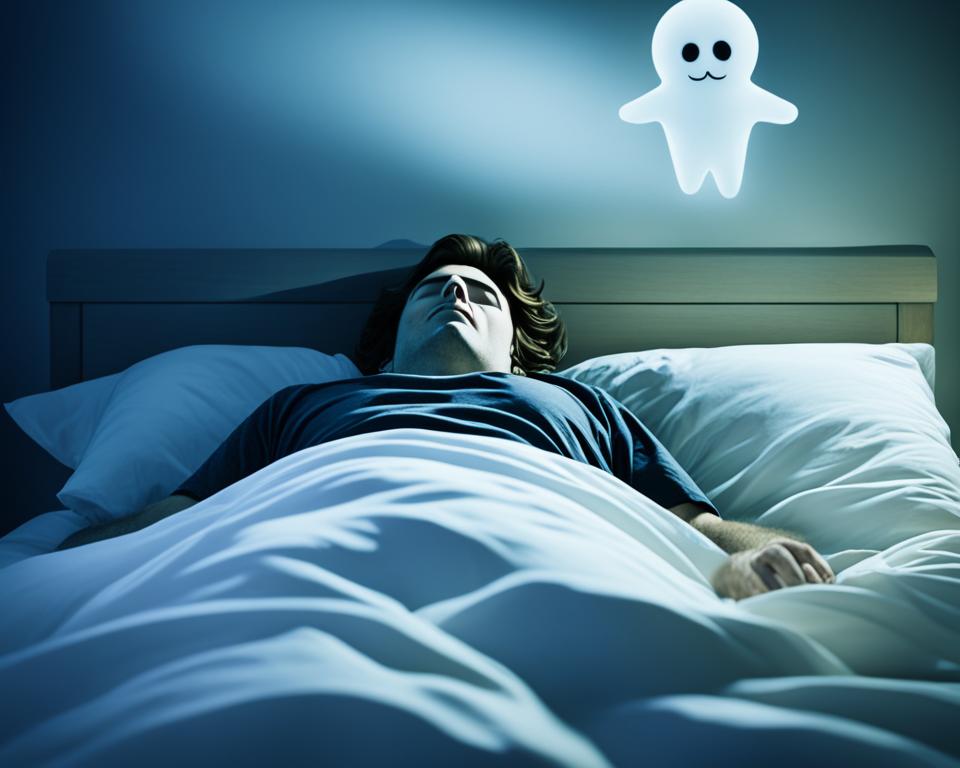
Sleep paralysis (SP) happens when you can’t move or speak but you’re awake. It usually occurs when you’re switching from being asleep to being awake. During these times, you might see vivid things and feel pressure on your chest. You’ll also feel a deep fear because your muscles are paralyzed, just like in REM sleep.
Physiology Behind Sleep Paralysis
Sleep paralysis is closely tied to REM sleep. In this stage, your muscles relax to stop you from acting out dreams. But, sleep paralysis happens when your brain and body don’t sync up right. This can make your heart race because of the fear you feel during these episodes.
Common Experiences during Sleep Paralysis
People who have sleep paralysis often see things that aren’t there. These can be split into three main types:
- Intruder hallucinations: You might feel like there’s someone near you or see shadowy figures.
- Incubus hallucinations: Some people feel a heavy feeling on their chest or have trouble breathing.
- Vestibular-motor hallucinations: You might feel like you’re floating or like you’re outside your body.
These feelings during sleep paralysis can really change how you see the world. They can also leave a big emotional mark on you.
| Type of Hallucination | Description | Emotional Impact |
|---|---|---|
| Intruder Hallucinations | Sensation of a nearby presence or figures | Fear, anxiety |
| Incubus Hallucinations | Pressure on the chest or difficulty breathing | Panic, helplessness |
| Vestibular-Motor Hallucinations | Feeling of floating or an out-of-body experience | Confusion, disorientation |
What are Lucid Dreams?
Lucid dreaming makes sleep more interesting. It lets you know you’re dreaming and sometimes you can control the dream. Learning about lucid dreaming shows how it helps your mind and mental health.
Defining Lucid Dreaming
Lucid dreaming means knowing you’re dreaming while you dream. This awareness can lead to different outcomes, like just realizing you’re dreaming or controlling your dream. Only about 37% of lucid dreamers can change their dreams. It’s a powerful way to explore your mind while sleeping.
The Psychological Benefits of Lucid Dreaming
Lucid dreaming has big mental health benefits. These include:
- Processing trauma effectively, allowing individuals to confront fears in a safe environment.
- Reducing the frequency and intensity of nightmares, offering a respite for those affected.
- Improving emotional regulation, leading to a greater sense of control in waking life.
People with PTSD may find relief in lucid dreaming. It turns scary dreams into ones you can handle. But, it’s important to know the risks, especially if you have mental health issues.
| Benefits | Details |
|---|---|
| Trauma Processing | Allows for confrontation of fears in a safe space. |
| Nightmare Reduction | Helps lessen the occurrence and severity of nightmares. |
| Emotional Regulation | Fosters better emotional control and stability. |
The Science of REM Sleep
REM sleep is key to your overall health and thinking skills. It’s a stage of sleep known for its unique traits and big role in mental health and memory.
REM Sleep Stages and Their Importance
REM sleep comes after light and deep sleep in the sleep cycle. It’s known for rapid eye movements and active brain activity. This stage is crucial for:
- Memory Consolidation: REM sleep helps process and organize memories.
- Emotional Regulation: Vivid dreams in this stage help manage emotions and stress.
- Cognitive Performance: Good REM sleep boosts problem-solving and learning.
As you go through sleep cycles, REM sleep gets longer. This shows how important it is for rest and thinking skills.
The Role of REM Sleep in Sleep Disorders
REM sleep issues can hurt your sleep quality and lead to sleep disorders. Studies show that REM pattern problems are linked to:
- Insomnia: Trouble falling or staying asleep means less REM sleep.
- Narcolepsy: Wrong REM sleep can cause sudden sleep attacks and hallucinations.
- Sleep Paralysis: This happens when switching in and out of REM sleep.
People with sleep disorders might get more sleep problems, like sleep paralysis and unique lucid dreams. These issues show how closely REM sleep is tied to sleep issues.
| Features | REM Sleep | Non-REM Sleep |
|---|---|---|
| Eye Movement | Rapid | None |
| Brain Activity | High | Low |
| Dreaming | Vivid | Less Frequent |
| Memory Consolidation | Significant | Moderate |
| Influence on Sleep Disorders | Strong | Moderate |
How Does Sleep Paralysis Relate to Lucid Dreaming?
Many people find the link between sleep paralysis and lucid dreaming fascinating. Studies show that those who often experience sleep paralysis are more likely to have lucid dreams. This is because the awareness during sleep paralysis can help you know when you’re dreaming, making it easier to enter a lucid dream state.
Connection Between Sleep Paralysis and Lucid Dreaming
Sleep paralysis makes your mind sharp but keeps your body still. This state connects sleep paralysis and lucid dreaming, helping you realize you’re dreaming. It also makes it easier to move into a lucid dream, where you can explore and be creative.
How Sleep Paralysis Triggers Lucid Dreaming
Sleep paralysis can also trigger lucid dreaming. The clarity you gain from these episodes helps you understand when you’re dreaming. This awareness, along with the mix of emotions during sleep paralysis, can shape your lucid dreams. It adds depth and richness to your dream experiences.