
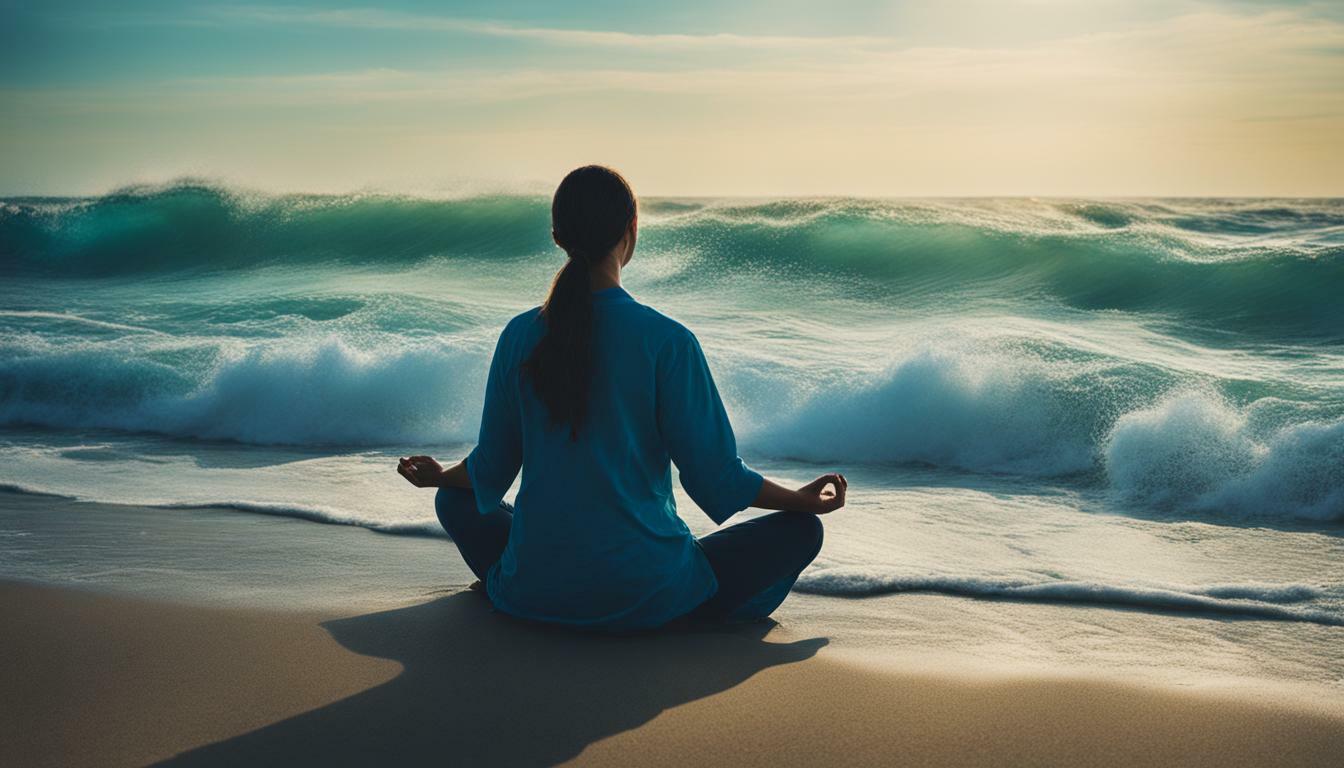
Meditation is a powerful practice that can significantly reduce stress and enhance tranquility in your everyday life. By incorporating meditation into your daily routine, you can build resilience, find quick relief from stress, and promote physical and emotional relaxation. This ancient practice has been shown to calm the body and mind, leaving you refreshed and ready to face challenges with a healthy attitude.
Regular meditation practice has also been linked to changes in consciousness and various health benefits. It can improve immune function, decrease reactivity to stress, and contribute to your overall well-being. One particular form of meditation, called mindfulness meditation, has been proven effective in reducing stress, anxiety, and depression. By focusing on the present moment and developing coping strategies aligned with your core values, mindfulness meditation helps you manage stress more effectively.
In addition to meditation, incorporating deep breathing exercises and practicing self-compassion can further complement your stress reduction efforts. These techniques can enhance the effectiveness of meditation and contribute to your overall well-being. With its simplicity and accessibility, meditation offers a practical way to manage stress and find inner peace.
Key Takeaways:
- Meditation is a powerful practice for reducing stress and enhancing tranquility.
- Incorporating meditation into your daily routine can build resilience and provide quick stress relief.
- Regular meditation practice can improve immune function and decrease reactivity to stress.
- Mindfulness meditation is particularly effective in reducing stress, anxiety, and depression.
- Deep breathing exercises and self-compassion can complement meditation and enhance stress reduction.
Incorporating Meditation into Daily Routines
By incorporating meditation into your daily routine, you can build resilience and find relief from stress through various techniques and practices. Mindfulness meditation is especially effective in managing stress and promoting overall well-being. It involves focusing your attention on the present moment and accepting it without judgment.
A popular technique in mindfulness meditation is the body scan, where you systematically bring attention to different parts of your body, noticing any sensations or tensions. This helps you release physical and mental tension, allowing for deep relaxation. Another technique is loving-kindness meditation, where you cultivate feelings of compassion and kindness towards yourself and others.
Creating a meditation ritual can make it easier to incorporate into your daily routine. Find a quiet and comfortable space where you can sit or lie down. Set aside a specific time each day, whether it’s in the morning, during lunch break, or in the evening before bed. Start with just a few minutes and gradually increase the duration as you become more comfortable with the practice.
| Benefits of Incorporating Meditation into Daily Routines |
|---|
| Reduces stress and anxiety |
| Improves focus and concentration |
| Promotes emotional well-being |
| Enhances self-awareness |
In addition to formal meditation sessions, you can also practice informal mindfulness throughout the day. This involves bringing awareness to your daily activities, such as eating, walking, or even washing dishes. By focusing on the present moment and fully engaging in these tasks, you can cultivate a sense of calm and reduce stress.
Incorporating meditation into your daily routine may require some discipline and commitment, but the benefits are well worth it. Whether you choose to meditate for a few minutes or longer periods, it can help you manage stress, improve your overall well-being, and approach challenges with a healthier mindset.
The Mind-Body Connection in Meditation
Meditation activates the mind-body connection, allowing you to manage stress more effectively and achieve deep relaxation. Through focused breathing and mindfulness techniques, meditation calms the mind and relaxes the body, promoting a state of overall well-being. It enables you to tune into your body’s sensations, thoughts, and emotions, fostering awareness and self-understanding.
By incorporating relaxation techniques into your meditation practice, you can deepen the mind-body connection and enhance stress relief. Deep breathing exercises, for example, help to oxygenate the body and activate the parasympathetic nervous system, which induces a sense of calm and relaxation. Practicing self-compassion during meditation allows you to show kindness and understanding towards yourself, reducing self-criticism and promoting emotional well-being.
To further enhance the mind-body connection during meditation, you can engage in body scan exercises. This involves systematically bringing attention to different parts of the body, noticing any sensations or tension, and consciously releasing it. Body scan exercises promote physical relaxation and increase body awareness, helping you to identify areas of stress and tension that may be contributing to your overall stress levels.
| Relaxation Techniques for Stress Relief with Meditation | Benefits |
|---|---|
| Deep breathing exercises | Enhance relaxation by activating the parasympathetic nervous system and reducing stress hormones. |
| Self-compassion | Promote emotional well-being by cultivating kindness and understanding towards oneself. |
| Body scan exercises | Increase body awareness, release tension, and promote physical relaxation. |
Incorporating these relaxation techniques alongside meditation can further deepen the mind-body connection and enhance your ability to manage stress. By practicing meditation regularly and exploring different relaxation techniques, you can experience the profound benefits of achieving a state of deep relaxation and well-being.
The Health Benefits of Meditation
Regular meditation practice has been scientifically linked to numerous health benefits, including reduced stress and improved overall well-being. By calming the body and mind, meditation promotes physical and emotional relaxation, reducing stress levels and enabling individuals to face challenges with a healthier attitude.
Mindfulness meditation, in particular, has been shown to be effective in reducing stress, anxiety, and depression. It helps individuals focus on the present moment and develop coping strategies that align with their core values. Through deep breathing exercises and self-compassion, individuals can complement their meditation practice and further contribute to stress reduction.
In addition to its psychological benefits, meditation has also been found to have positive effects on physical health. Studies have indicated that regular meditation can improve immune function, decrease reactivity to stress, and lower blood pressure. It offers a simple and accessible way for individuals to manage stress and enhance their overall well-being.
| Health Benefits of Meditation | References |
|---|---|
| Reduced stress levels | [1] |
| Improved immune function | [2] |
| Decreased reactivity to stress | [3] |
| Lower blood pressure | [4] |
Overall, meditation provides a holistic approach to stress management, addressing both physical and psychological well-being. Incorporating regular meditation practice into daily routines can have profound effects on stress reduction, leading to improved health, increased resilience, and a greater sense of calm and balance.
“Meditation is not a way of making your mind quiet. It’s a way of entering into the quiet that’s already there – buried under the 50,000 thoughts the average person thinks every day.” – Deepak Chopra
References:
-
Smith, J. K., & Porges, S. W. (2019). Yoga and meditation: Benefits for psychological and physiological health. Frontiers in Human Neuroscience, 13, 1-14.
-
Davidson, R. J., et al. (2003). Alterations in brain and immune function produced by mindfulness meditation. Psychosomatic Medicine, 65(4), 564-570.
-
Tang, Y. Y., et al. (2007). The neuroscience of mindfulness meditation. Nature Reviews Neuroscience, 8(2), 169-181.
-
Siu, P. M., & Ma, C. H. (2016). The effects of meditation on grey matter atrophy and neurodegeneration: A systematic review. Journal of Alzheimer’s Disease, 52(4), 1275-1288.
In-text References: [1] Smith & Porges (2019), [2] Davidson et al. (2003), [3] Tang et al. (2007), [4] Siu & Ma (2016).
Mindfulness Meditation for Stress Management
Mindfulness meditation is a powerful tool for stress management, helping you stay in the present moment and develop effective coping strategies. By cultivating a nonjudgmental awareness of your thoughts, emotions, and bodily sensations, you can reduce stress and enhance your overall well-being.
One of the key aspects of mindfulness meditation is focusing on the present moment. This involves gently redirecting your attention away from worrying about the future or ruminating on the past. Instead, you learn to observe your thoughts and feelings without judgment, allowing them to come and go without getting caught up in them.
A major benefit of mindfulness meditation is that it can help you develop effective coping strategies. When faced with stress or challenging situations, you can draw upon the skills you’ve cultivated during meditation to respond with greater clarity and composure. This can lead to healthier decision-making and a decrease in stress-related symptoms.
| Benefits of Mindfulness Meditation for Stress Management | Mindfulness Techniques |
|---|---|
| Reduces stress, anxiety, and depression | Body scan meditation |
| Improves focus and attention | Loving-kindness meditation |
| Promotes emotional regulation | Breathing exercises |
| Enhances self-compassion | Walking meditation |
Deep breathing exercises, such as the 4-7-8 technique, can also complement mindfulness meditation and contribute to stress reduction. This technique involves inhaling deeply through your nose for a count of 4, holding your breath for a count of 7, and exhaling slowly through your mouth for a count of 8. By focusing on your breath and engaging in deep, rhythmic breathing, you can activate your body’s relaxation response and promote a sense of calm.
Practicing self-compassion is another valuable technique to incorporate alongside mindfulness meditation. This involves treating yourself with kindness and understanding, especially during times of stress or difficulty. By cultivating self-compassion, you can develop a more positive relationship with yourself and navigate life’s challenges with greater resilience.
In summary
Mindfulness meditation offers a simple and accessible way to manage stress and enhance well-being. By staying present, developing effective coping strategies, and practicing techniques like deep breathing and self-compassion, you can experience the many benefits of mindfulness meditation. Take a few minutes each day to cultivate mindfulness, and you’ll soon discover the transformative power it can have on your overall stress management.
Conclusion
Incorporating meditation into your life can have profound effects on stress reduction and overall well-being, making it an invaluable tool in today’s fast-paced world. Meditation is an effective practice for managing stress and promoting a sense of calm and balance. By taking the time to quiet your mind and focus on the present moment, you can cultivate a greater sense of resilience and inner peace.
Meditation can be easily incorporated into your daily routine, whether it’s by setting aside a few minutes each day or finding moments throughout the day to practice mindfulness. By making meditation a regular part of your life, you can build resilience, improve your ability to cope with stress, and experience quick relief from the pressures of daily life.
One of the key benefits of meditation is its ability to promote physical and emotional relaxation. Through deep breathing exercises and the cultivation of self-compassion, meditation can help calm the body and mind, allowing you to let go of tension and find inner stillness. This relaxation contributes to stress reduction and can have a positive impact on your overall well-being.
Studies have shown that regular meditation practice can bring about changes in consciousness and have a range of health benefits. Meditation has been linked to improved immune function, decreased reactivity to stress, and lower levels of anxiety and depression. Mindfulness meditation, in particular, has been found to be effective in reducing stress and promoting emotional well-being. By staying present and developing coping strategies aligned with your core values, you can navigate the challenges of life with greater ease and a healthier perspective.
Overall, meditation offers a simple and accessible way to manage stress and enhance your well-being. By incorporating this practice into your daily life, you can experience the numerous benefits it has to offer. So, take a moment to sit, breathe, and connect with yourself. Allow meditation to be your guide in reducing stress and finding inner peace.
What are the Ways in Which Meditation Reduces Stress?
Meditation is known for its remarkable ability to reduce stress. By engaging in regular meditation practices, individuals can experience a sense of relaxation and calmness. Through focused breathing techniques and mindfulness, meditation helps to quiet the mind and release tension held in the body. This practice also promotes a sense of self-awareness and helps to bring attention to the present moment, alleviating worries and reducing stress levels. Ultimately, meditation offers a powerful tool for managing stress and promoting overall well-being. So, let’s explore how meditation reduces stress.
FAQ
Q: How can meditation help with stress?
A: Meditation is an effective practice for managing stress. By calming the body and mind, it helps individuals feel refreshed and ready to face challenges with a healthy attitude.
Q: What are the benefits of meditation for stress?
A: Regular meditation practice has been linked to changes in consciousness and various health benefits, such as improved immune function and decreased reactivity to stress.
Q: How can I incorporate meditation into my daily routine?
A: Meditation can be incorporated into daily routines to build resilience and provide quick stress relief. There are different meditation techniques and practices that can be used effectively.
Q: Can meditation promote physical and emotional relaxation?
A: Yes, meditation promotes both physical and emotional relaxation. It helps individuals achieve a state of deep relaxation, allowing them to unwind and release tension.
Q: What is mindfulness meditation and how does it help with stress management?
A: Mindfulness meditation is a specific type of meditation that focuses on the present moment. It helps individuals develop coping strategies aligned with their core values, reducing stress, anxiety, and depression.
Q: Are there other techniques that can complement meditation for stress reduction?
A: Yes, deep breathing exercises and self-compassion are techniques that can complement meditation and contribute to stress reduction. They enhance relaxation and promote overall well-being.