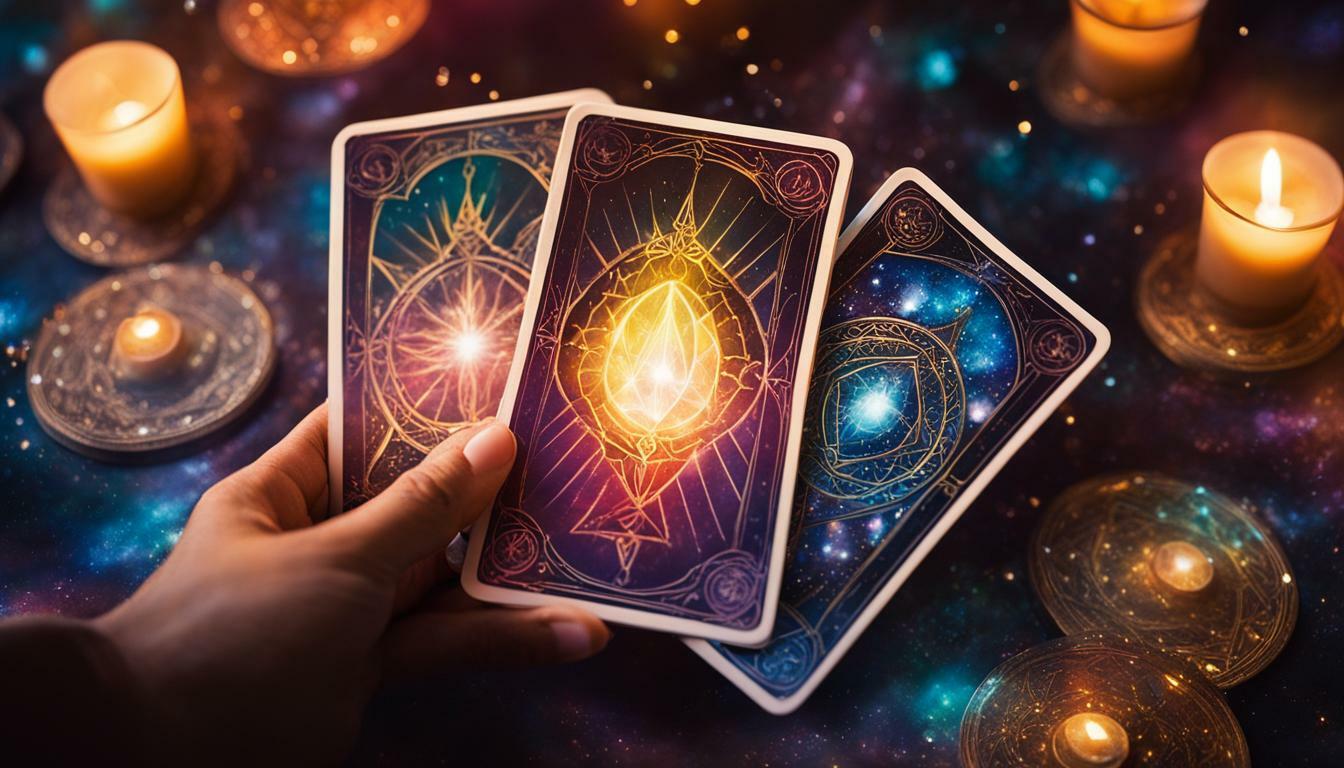
Tarot cards are more than just a deck of cards – they hold profound insights and wisdom that can provide guidance and clarity in our lives. Learning to understand and interpret these mystical cards is an empowering journey of self-discovery.
The history of tarot dates back to the 15th century and has since been popularized by occultists and mystics in the 18th and 19th centuries. Today, tarot is widely used for divination and personal growth, offering a unique perspective on our thoughts, feelings, and experiences.
A standard tarot deck consists of 78 cards, divided into the Major Arcana and Minor Arcana. The Major Arcana represents significant events and themes in life, while the Minor Arcana reflects everyday aspects. There are numerous types of tarot decks available, each with its own symbolism and energy.
To begin your journey with tarot, start by setting your intention. Whether it’s seeking guidance, gaining clarity, or exploring your inner self, clearly defining your purpose will enhance the effectiveness of your readings.
Next, shuffle the cards while focusing on your question or intention. Trust your intuition as you lay out the cards in a spread that suits your needs. The most common spreads include the Celtic Cross, Three-Card Spread, and Past-Present-Future Spread.
As you interpret the cards, pay attention to their individual meanings and the connections between them. Remember to trust your intuition and rely on your own insights and experiences. Tarot is a tool for reflection and self-discovery, so it’s essential to listen to your inner voice.
It’s important to note that tarot card readings are not set in stone and do not predict the future with certainty. Instead, they offer guidance, offering perspectives and potential outcomes based on current energies and influences.
Key Takeaways:
- Understanding tarot cards is a journey of self-discovery and reflection.
- A standard tarot deck consists of 78 cards, divided into Major Arcana and Minor Arcana.
- Choose a tarot deck that resonates with you and your personal energy.
- Set your intention before each reading to enhance its effectiveness.
- Trust your intuition and rely on your own insights when interpreting the cards.
The History and Significance of Tarot Cards
The history of tarot cards dates back to the 15th century, and they have since become powerful tools for divination and self-reflection. Originally used as playing cards in Europe, the tarot deck gradually evolved into a tool for spiritual and psychological exploration. Today, tarot cards are widely recognized for their ability to provide guidance and insight into various aspects of life.
Tarot cards gained popularity amongst occultists and mystics in the 18th and 19th centuries, who saw the deck as a means to tap into the subconscious mind and access hidden wisdom. The symbolism and imagery found in tarot cards hold deep significance, representing archetypal forces and universal themes. Each card carries its own unique energy and meaning, offering a rich tapestry for interpretation.
A standard tarot deck consists of 78 cards, divided into two main categories: the Major Arcana and the Minor Arcana. The Major Arcana represents pivotal life events and overarching themes, while the Minor Arcana focuses on the everyday aspects of life, such as relationships, emotions, and challenges. Each card within the deck holds a specific message and can provide valuable insights into various aspects of one’s life journey.
There are countless variations of tarot decks available, each with its own distinct imagery and symbolism. Choosing a deck that resonates with you is crucial, as it allows for a deeper connection and understanding of the cards. Whether you prefer classic decks rooted in tradition or modern interpretations, finding a deck that speaks to your intuition is a vital step in developing your relationship with tarot cards.
| Tarot Deck | Key Features |
|---|---|
| Rider-Waite-Smith | Traditional, widely recognized symbolism |
| Thoth Tarot | Egyptian and occult-inspired imagery |
| Wild Unknown Tarot | Nature-inspired illustrations, minimalist design |
| Aleister Crowley Tarot | Esoteric symbolism, spiritual exploration |
Learning to understand and interpret tarot cards is a journey of self-discovery and personal growth. By exploring the history, significance, and symbolism of tarot cards, you can unlock a powerful tool for guidance, reflection, and exploration of the human experience.
Getting Familiar with the Tarot Deck
A standard tarot deck consists of 78 cards, divided into the Major Arcana and Minor Arcana, each carrying unique meanings and symbols. The Major Arcana represents significant events and themes in life, while the Minor Arcana represents everyday aspects. Familiarizing yourself with the structure and components of the deck is crucial for conducting accurate and insightful tarot card readings.
One of the first things to explore when getting familiar with the tarot deck is the different spreads and layouts commonly used in readings. These spreads determine the arrangement of the cards and can provide valuable insights into specific areas of life or answer specific questions. Here are a few common spreads:
| Spread | Purpose |
|---|---|
| Celtic Cross | Provides a comprehensive overview of a situation or question. |
| Three-Card Spread | Offers past, present, and future guidance on a particular matter. |
| Relationship Spread | Focuses on the dynamics and potential outcomes of a relationship. |
Once you are comfortable with the spreads, it’s time to explore the cards themselves. The Minor Arcana is divided into four suits – Wands, Cups, Swords, and Pentacles – each representing a different element and aspect of life. For example, Wands symbolize creativity and passion, Cups represent emotions and relationships, Swords depict intellect and challenges, and Pentacles signify material and practical matters.
As you familiarize yourself with the tarot deck, remember that intuition plays a vital role in interpreting the cards. While it’s valuable to learn the traditional meanings, trust your gut feelings and personal associations with the cards. Allow the symbolism and imagery to speak to you and guide your interpretations. With practice, you’ll develop a deep connection with the tarot cards and gain valuable insights into your own life and the world around you.
Conducting a Tarot Card Reading
To begin a tarot card reading, it’s important to set a clear intention and create a calm and focused environment. Before you start, take a moment to center yourself and connect with your intuition. Close your eyes, take a few deep breaths, and visualize the energy of the cards flowing through you.
Once you feel centered, shuffle the tarot deck while focusing on your question or the area of your life you want guidance on. As you shuffle, let go of any expectations or preconceived notions, allowing the cards to guide you with their wisdom.
When you’re ready, lay out the cards in a spread of your choice. There are many different spreads to choose from, each offering a unique perspective on your question or situation. You can use a simple three-card spread for past, present, and future insights, or a more complex spread like the Celtic Cross for a comprehensive reading.
As you interpret the cards, trust your intuition. Pay attention to the imagery, symbols, and emotions that arise as you connect with each card. You can refer to tarot guidebooks or online resources for general interpretations, but remember that your own intuition is key. Trust the messages that come through and allow them to guide you on your path.
| Simple Three-Card Spread: | A basic spread for gaining insights into past, present, and future aspects of a situation or question. |
|---|---|
| Celtic Cross Spread: | A more complex spread consisting of ten cards, providing comprehensive insights into various aspects of your life. |
| Relationship Spread: | A spread specifically designed to gain insights into romantic relationships, whether it’s a new connection or an existing partnership. |
- Trust your intuition and let it guide you as you interpret the cards.
- Take note of any recurring symbols, colors, or numbers that stand out to you.
- Remember that tarot readings are not set in stone and can evolve as you do. Use the messages from the cards as tools for self-reflection and personal growth.
“The tarot is a mirror that reflects back what you need to see. Trust the cards, trust yourself, and trust the journey.”
Different Types of Tarot Card Spreads and Readings
There are various tarot card spreads and readings you can choose from, depending on the type of guidance or insight you seek. Each spread has its own unique layout and purpose, allowing you to explore different aspects of your life or answer specific questions. Let’s delve into some of the most commonly used spreads and readings:
1. General Tarot Card Reading
A general tarot card reading provides a broad overview of your current situation and the energies surrounding you. It can offer guidance and clarity on various aspects of your life, such as relationships, career, and personal growth. This type of reading is great when you’re seeking general advice or want to gain a better understanding of your current circumstances.
2. Question Tarot Card Reading
If you have a specific question or concern, a question tarot card reading can help provide insights and guidance. You can formulate your question and draw a few cards to gain deeper insights and a clearer understanding of your situation. This type of reading is ideal for decision-making or when you’re seeking guidance on a particular issue.
3. Past-Present-Future Tarot Card Reading
A past-present-future tarot card reading is useful for gaining insight into the progression of events in your life. It helps you understand how past experiences have shaped your present circumstances and provides guidance on potential future outcomes. This reading can provide valuable insights into the patterns in your life and the opportunities that lie ahead.
4. Yes/No Tarot Card Reading
When you’re seeking a straightforward answer to a specific question, a yes/no tarot card reading can give you a clear response. This reading involves drawing a single card or a small spread to indicate a yes or no answer. It offers concise guidance and can help you make decisions or gain clarity on a particular issue.
Remember, these are just a few examples of tarot card spreads and readings. Feel free to explore and experiment with different spreads to find the ones that resonate with you and provide the guidance and insights you seek.
| Spread | Purpose |
|---|---|
| General Tarot Card Reading | Provides a broad overview of your current situation and the energies surrounding you |
| Question Tarot Card Reading | Offers insights and guidance on specific questions or concerns |
| Past-Present-Future Tarot Card Reading | Helps understand the progression of events in your life and potential future outcomes |
| Yes/No Tarot Card Reading | Provides straightforward answers to specific yes or no questions |
Trusting Your Intuition and Reflecting on the Messages
As you engage in tarot card readings, remember to trust your intuition and allow your inner wisdom to guide you in interpreting the messages of the cards. Tarot cards are more than just ink on paper; they are a powerful tool for self-reflection and personal growth. Each card holds its own unique meaning, but it is your intuition that will help you uncover the deeper messages they hold.
When you lay out the cards in a spread, take a moment to connect with your inner self and set your intention for the reading. This will help you focus your energy and ensure that the messages you receive are aligned with your true desires and needs. Remember, tarot cards are not meant to predict the future, but rather offer guidance and insight into the present moment.
As you begin interpreting the cards, pay attention to the symbolism and imagery they hold. The colors, shapes, and symbols can provide additional layers of meaning and nuance. Take note of any intuitive flashes or gut feelings you have as you gaze upon the cards. These subtle whispers from your subconscious can often reveal powerful insights and help you uncover hidden truths.
To enhance your interpretation process, consider keeping a tarot journal. This can be a safe space for you to reflect on your readings, record your impressions, and track patterns or synchronicities that emerge over time. Regularly reviewing your journal can deepen your connection to the cards and foster a greater understanding of their messages.
Trusting Yourself: Quotes to Inspire
“Trust yourself. You know more than you think you do.” – Benjamin Spock
“Within you, there is a stillness and sanctuary to which you can retreat at any time and be yourself.” – Hermann Hesse
Remember, the cards are your guides, but it is your intuition that will lead the way. Trust in yourself and the wisdom that lies within. Embrace the transformative journey that tarot can offer, and may it bring you clarity, empowerment, and growth.
Clearing Your Deck and Considering Symbolism
To maintain the energetic integrity of your tarot deck, it’s important to clear it before each reading and consider the symbolism of upside-down cards. Clearing your deck helps to remove any lingering energies from previous readings and ensures that you are starting with a clean slate for accurate and insightful readings.
One common method of clearing your deck is to simply shuffle the cards thoroughly while focusing your intention on clearing and cleansing. You can also use various rituals or tools, such as smudging with sage or placing your deck under a full moon, to cleanse the energy of the cards. Find a method that resonates with you and incorporate it into your practice.
When it comes to interpreting upside-down or reversed cards, it’s important to consider the symbolism within the context of the reading. Upside-down cards can indicate blocked energy or a need for attention in the area represented by the card. They can offer insights into challenges or obstacles that may be present in your life. Take note of any intuitive messages that arise when seeing a reversed card and allow them to guide your interpretation.
Symbolism in Tarot
Symbols play a significant role in tarot cards and can add depth and meaning to your readings. Each card in the deck holds its own symbolism, and understanding these symbols can enhance your interpretation. For example, the fool card often represents new beginnings and taking risks, while the moon card signifies intuition and the exploration of the subconscious mind.
It’s important to familiarize yourself with the symbols present in your particular tarot deck. Take the time to study the imagery and connect with the meanings assigned to each card. Consider keeping a journal of your observations and interpretations to deepen your understanding over time.
Beginner’s Guide to Learning Tarot
If you are new to tarot cards, don’t be overwhelmed by the vast amount of information available. Start by selecting a deck that resonates with you and explore the meanings of the cards at your own pace. Consider using guidebooks or online resources to support your learning.
As you dive into tarot, remember that the most important aspect is developing your intuition. Trust your instincts and allow your intuition to guide you in your interpretations. Tarot is a personal and intuitive practice, so there are no right or wrong answers – it’s about what feels right to you.
| Type of Reading | Description |
|---|---|
| General Reading | A broad reading that provides insights into your overall life, relationships, and well-being. |
| Question-Focused Reading | A reading that focuses on a specific question or concern you have, providing guidance and clarity. |
| Past-Present-Future Reading | A reading that examines the past, current, and future events and energies in your life. |
| Yes/No Reading | A reading that provides a yes or no answer to a specific question or situation. |
Remember, learning tarot cards is a journey that requires practice and patience. The more you work with the cards, the more familiar and comfortable you will become with their meanings and interpretations. Embrace the wisdom of tarot as a tool for self-reflection and personal growth, and let it guide you on your path to a deeper understanding of yourself and the world around you.
What Are Some Resources for Learning to Read Tarot Cards for Free?
Looking to learn tarot cards for free? Look no further! The internet offers a vast array of resources for beginners. Websites like Biddy Tarot and Learn Tarot provide informative articles, tutorials, and even printable tarot card decks. Online forums and communities, such as Tarot Amino, offer a space to connect with fellow enthusiasts and gain valuable insights. With these resources, you’ll be on your way to mastering the art of tarot card reading without spending a dime.
Conclusion
Understanding tarot cards is a powerful tool that can provide valuable insights and guidance as you navigate life’s journey. These mystical cards have a long history, dating back to the 15th century, and have been popularized by occultists and mystics in the 18th and 19th centuries. Today, tarot is widely used for divination and personal growth.
A standard tarot deck consists of 78 cards, divided into the Major Arcana and Minor Arcana. The Major Arcana represents major events and themes in life, while the Minor Arcana represents everyday aspects. Choosing a tarot deck that resonates with you is important, as there are many different types available.
To read tarot cards, it is essential to set your intention, shuffle the cards, lay them out in a spread, and interpret their meanings. Whether you opt for a general reading, a question-focused reading, a past-present-future reading, or a yes/no reading, each type offers unique insights and guidance.
While learning the traditional meanings of tarot cards is important, it is equally crucial to trust your intuition and tap into your own inner wisdom. Reflect on the messages of the cards and let them guide you on your transformative path of self-discovery and empowerment. Remember to clear your deck before each reading and consider the symbolism of upside-down cards to gain a deeper understanding.