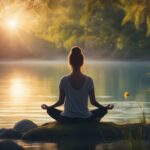

Meditation is a powerful practice that can have numerous benefits for your mental health, overall well-being, and stress reduction. By incorporating meditation into your daily routine, you can improve your focus, enhance self-awareness, and promote a sense of calm and balance in your life.
Through the practice of meditation, you can experience a range of benefits, including:
- Improved mental health
- Reduced stress levels
- Increased focus
- Enhanced well-being
- Promoted self-awareness
- Boosted overall wellness
By taking a few minutes each day to practice meditation, you can tap into the transformative power of mindfulness and experience a profound positive impact on your emotional well-being and overall health.
Key Takeaways:
- Meditation offers numerous benefits for mental health and overall well-being.
- Regular meditation practice can reduce stress and increase focus.
- Meditation promotes self-awareness and enhances overall wellness.
- Incorporating meditation into your daily routine can have a profound impact on your emotional well-being and overall health.
- Take a few minutes each day to practice meditation and experience the transformative power of mindfulness.
Understanding Meditation
Meditation is a practice that aims to deepen understanding of the sacred and mystical forces of life. It is now commonly used for relaxation and stress reduction. Meditation is considered a type of mind-body complementary medicine that can produce a deep state of relaxation and a tranquil mind. During meditation, you focus your attention and eliminate the stream of jumbled thoughts that may be crowding your mind and causing stress. This process can result in enhanced physical and emotional well-being.
Meditation can be practiced in various ways, including mindfulness meditation, where you focus on the present moment, and guided meditation, where you form mental images of relaxing places or situations. Each type of meditation has its own unique benefits and can be practiced according to your preferences and needs.
Mindfulness Meditation
One popular form of meditation is mindfulness meditation. In this practice, you bring your attention to the present moment, observing your thoughts and sensations without judgment. By cultivating this non-reactive awareness, you can become more attuned to your thoughts and emotions, allowing them to arise and pass without getting caught up in them. This form of meditation is often used to promote relaxation, reduce stress, and enhance overall well-being.
It is important to note that meditation is a personal practice, and what works for one individual may not work for another. Exploring different types of meditation can help you find the approach that resonates with you and fits into your lifestyle. Whether you choose mindfulness meditation, guided meditation, or another form, incorporating meditation into your routine can bring numerous benefits to your mental and physical health.
| Type of Meditation | Description | Benefits |
|---|---|---|
| Mindfulness Meditation | Focusing on the present moment, observing thoughts and sensations without judgment. | Promotes relaxation, reduces stress, enhances overall well-being. |
| Guided Meditation | Forming mental images of relaxing places or situations with the help of a guide. | Provides relaxation, fosters visualization and imagination, reduces stress. |
Benefits of Meditation
Meditation offers a range of benefits for your emotional well-being and overall health. By practicing meditation, you can experience a sense of calm, peace, and balance in your life. It’s a powerful tool that can help you relax and cope with stress by refocusing your attention on something calming, allowing you to stay centered and maintain inner peace even in the face of challenging situations.
Moreover, the benefits of meditation extend beyond the meditation session itself. The sense of calm and balance you achieve can carry over into your daily life, helping you navigate your day with greater ease and resilience. Whether you’re dealing with the demands of work, relationships, or personal challenges, meditation can provide you with the tools to manage stress and maintain emotional well-being.
Furthermore, meditation has been shown to have a positive impact on managing symptoms of various medical conditions. From anxiety and depression to chronic pain and heart disease, meditation can be a complementary approach to support your overall wellness. While it’s important to consult with your healthcare provider before starting any meditation practice, especially if you have medical conditions, incorporating meditation into your routine can be a valuable addition to your self-care toolkit.
Benefits of Meditation:
- Promotes calm, peace, and balance
- Enhances emotional well-being
- Helps you relax and cope with stress
- Supports staying centered and maintaining inner peace
- Assists in managing symptoms of medical conditions
As you explore the world of meditation, you’ll discover that it offers a wide range of techniques and approaches. From mindfulness meditation to mantra meditation, you can choose the method that resonates with you the most. Remember, meditation is a personal practice, and what works for one person may not work for another. The key is to find a style that aligns with your needs and preferences, allowing you to fully experience the benefits of this transformative practice.
Types of Meditation
Meditation is an umbrella term that encompasses various ways to achieve a relaxed state of being. There are different types of meditation and relaxation techniques, each with its own approach to achieving inner peace. Let’s explore some common types:
Guided Meditation
Guided meditation involves forming mental images of relaxing places or situations. It is often facilitated by an experienced practitioner or through audio recordings. This type of meditation is helpful for beginners who may find it easier to focus their attention with the guidance of a mentor.
Mantra Meditation
In mantra meditation, you silently repeat a calming word or phrase, known as a mantra. This repetitive chanting can help calm the mind and bring about a meditative state. Mantra meditation is commonly practiced in various spiritual traditions and can be personalized based on individual preferences.
Mindfulness Meditation
Mindfulness meditation involves focusing your attention on the present moment and observing your thoughts and sensations without judgment. It emphasizes cultivating a non-reactive awareness of your experiences. Mindfulness meditation is often practiced through techniques such as breath awareness and body scanning.
Qi Gong and Tai Chi
Qi Gong and Tai Chi are ancient Chinese practices that combine meditation, relaxation, physical movement, and breathing exercises. Qi Gong involves gentle movements and postures, while Tai Chi combines flowing movements and deep breathing. Both practices promote harmony, balance, and energy flow.
Transcendental Meditation
In transcendental meditation, you silently repeat a personally assigned mantra. This practice aims to transcend ordinary thinking and access a state of pure awareness. Transcendental meditation is usually learned from a certified instructor and is known for its simplicity and effectiveness.
Yoga
Yoga is a holistic practice that combines physical postures, controlled breathing exercises, and meditation. It promotes flexibility, strength, and relaxation. Yoga encompasses various styles, such as Hatha, Vinyasa, and Ashtanga, each incorporating meditation as an integral component.
Each type of meditation has its own unique benefits and can be practiced according to your preferences and needs. It’s important to explore different techniques and find the ones that resonate with you, allowing you to experience the transformative power of meditation.
Elements of Meditation
Meditation incorporates various elements that can enhance your practice and bring you closer to a state of calm and mindfulness. By focusing on these key elements, you can deepen your meditation experience and reap the benefits it offers.
Focused Attention
One of the fundamental elements of meditation is focused attention. This involves directing your attention to a specific object, such as your breath, a mantra, or a visual image. By letting go of distractions and gently bringing your focus back to the chosen object, you can cultivate a deeper sense of concentration and clarity.
Relaxed Breathing
Breathing plays a crucial role in meditation. Deep, relaxed breathing is key to promote a state of relaxation and to calm the body and mind. By focusing on your breath and taking slow, deliberate inhales and exhales, you can create a sense of ease and bring your body into a more relaxed state.
Quiet Setting
Creating a quiet setting for meditation can enhance your practice, especially when you are just starting out. Find a peaceful space where you can minimize external distractions and noise. This will allow you to fully immerse yourself in the meditation experience and foster a sense of tranquility.
Comfortable Position
Choosing a comfortable position for meditation is important to promote relaxation and good posture. You can sit on a cushion, a chair, or even lie down, as long as you can maintain a position that is both relaxed and alert. Finding the right posture will support your physical well-being and allow you to focus on your meditation practice.
Open Attitude
Having an open attitude is crucial in meditation. It means approaching your practice with a sense of acceptance and non-judgment. Allow thoughts to come and go without attaching to them or labeling them as good or bad. Cultivating an open attitude creates space for self-compassion, self-awareness, and a deeper exploration of your inner experiences.
Table: Comparing Different Elements of Meditation
| Element | Description |
|---|---|
| Focused Attention | Directing your attention to a specific object or focal point. |
| Relaxed Breathing | Deep, even-paced breathing to induce relaxation and calmness. |
| Quiet Setting | A serene environment with minimal distractions and noise. |
| Comfortable Position | A relaxed and well-supported posture for meditation. |
| Open Attitude | An accepting and non-judgmental mindset during meditation. |
By incorporating these elements into your meditation practice, you can create a nurturing environment that supports your journey towards inner peace and self-discovery. Experiment with different techniques and find what works best for you. Remember, meditation is a personal experience, so embrace the elements that resonate with you and enjoy the transformative power of this ancient practice.
Everyday Ways to Practice Meditation
Meditation can be easily incorporated into your daily routine, offering you numerous ways to experience its benefits. Whether you’re a beginner or have been practicing for years, there are various techniques you can explore to achieve a state of calm and mindfulness. Here are some everyday ways to practice meditation:
Breathe Deeply
One simple and effective technique is deep breathing. Find a quiet and comfortable place, close your eyes, and focus on your breath. Take slow, deep breaths, inhaling deeply through your nose and exhaling slowly through your mouth. Let your breath become a natural rhythm, and with each breath, feel the tension leaving your body. Deep breathing can help relax your mind, reduce stress, and bring a sense of calmness.
Body Scan
A body scan is a mindfulness technique that involves directing your attention to each part of your body. Start by sitting or lying down in a comfortable position. Close your eyes and begin to scan your body from head to toe, noticing any sensations or areas of tension. As you focus on each body part, imagine sending relaxation and warmth to that area. The body scan can help you become more aware of your body and promote relaxation.
Repeat a Mantra
A mantra is a word, phrase, or sound that you silently repeat during meditation. Choose a calming word or phrase that resonates with you and brings a sense of peace. Sit in a quiet place, close your eyes, and start repeating your mantra in your mind. Allow the repetition of the mantra to calm your thoughts and bring you into a state of deep relaxation.
Walk and Meditate
Walking meditation is a wonderful way to combine movement and mindfulness. Find a peaceful location where you can walk uninterrupted. As you start walking, focus on the sensation of each step, the feeling of your feet touching the ground, and the movement of your body. Pay attention to your surroundings, the sounds, and the sensations in your body. Walking and meditating can help you cultivate a sense of presence and bring you back to the present moment.
Engage in Prayer
Prayer can be a form of meditation, providing a sense of connection and peace. Whether you follow a particular religious tradition or have your own spiritual beliefs, engaging in prayer can be a powerful way to quiet the mind and open the heart. Choose a quiet and sacred space, and through prayer, express your gratitude, hopes, and desires. Allow yourself to be fully present and deeply connected to your spiritual beliefs.
Read and Reflect
Reading and reflecting on sacred texts or inspiring literature can be a form of meditation. Choose a book or passage that resonates with you and take the time to read it slowly and mindfully. Pay attention to the words and their meaning. After reading, pause and reflect on the message and how it relates to your own life. This practice can promote introspection, self-awareness, and a deeper understanding of yourself and the world around you.
Remember, meditation is a personal journey, and it’s important to find the techniques that resonate with you. Incorporating these everyday ways to practice meditation into your routine can help you cultivate mindfulness, reduce stress, and bring more peace and balance to your life.
Meditation and the Brain
Research on meditation and the brain has provided valuable insights into the effects of regular practice on brain structure and function. One of the noteworthy findings is that long-term meditators tend to have better-preserved brains as they age, with increased grey matter volume throughout the brain. This suggests that meditation may contribute to the preservation of the aging brain.
Another interesting discovery is the reduced activity in the “me center” of the brain during meditation. The “me center” is responsible for mind-wandering and self-referential thoughts. By quieting this area, meditation can help reduce symptoms of depression and anxiety, promoting emotional well-being.
Studies have also found volume changes in key areas of the brain involved in learning, memory, emotion regulation, and self-referential processing. These changes indicate that meditation can have a positive impact on cognitive function and emotional regulation. Additionally, improvements in concentration and attention have been observed in individuals who regularly practice meditation.
| Effects of Meditation on the Brain | Benefits |
|---|---|
| Preservation of the aging brain | Increased grey matter volume throughout the brain |
| Reduced activity in the “me center” | Reduction of symptoms of depression and anxiety |
| Volume changes in key areas of the brain | Improvements in learning, memory, emotion regulation, and self-referential processing |
| Improvements in concentration and attention | Enhanced cognitive skills |
The impact of meditation extends beyond individual well-being and can also be beneficial for addiction recovery. By increasing self-control and awareness of triggers, meditation can support those who are on the path to overcoming addiction.
Furthermore, meditation has shown promising benefits for children in school. It can enhance concentration, attention, and cognitive skills, contributing to improved academic performance and overall well-being.
Conclusion
In conclusion, meditation offers a wide range of benefits for your overall well-being. By incorporating meditation into your daily routine, you can experience a reduction in stress, an improvement in mental health, an increase in focus, enhanced self-awareness, and a sense of calm and balance in your life.
The research on meditation and the brain supports these positive effects, showing that regular meditation practice can lead to structural and functional changes in important areas of the brain. Not only does meditation have the potential to improve your psychological well-being, but it can also have a powerful impact on your brain function.
Whether you choose guided meditation, mantra meditation, or mindfulness meditation, taking just a few minutes each day to practice meditation can have a transformative effect on your overall well-being. So, why wait? Start incorporating the power of meditation into your life and reap the numerous benefits it has to offer.
How Can Meditation Benefit Me?
Meditation techniques for beginners can offer numerous benefits. They can help reduce stress, improve concentration, and promote emotional well-being. By practicing basic meditation techniques, individuals can experience a greater sense of calm and clarity in their daily lives.
FAQ
What are the benefits of meditation?
Meditation can improve mental health, reduce stress, increase focus, enhance well-being, promote self-awareness, and boost overall wellness.
What is mindfulness meditation?
Mindfulness meditation is a type of meditation that focuses on the present moment and is considered a mind-body complementary medicine for relaxation and stress reduction.
How can meditation help with managing stress?
Meditation can help you relax and cope with stress by refocusing your attention on something calming and learning to stay centered and keep inner peace.
Can meditation help with managing symptoms of medical conditions?
Yes, meditation may help manage symptoms of medical conditions such as anxiety, asthma, cancer, chronic pain, depression, heart disease, high blood pressure, irritable bowel syndrome, sleep problems, and tension headaches. However, it should not replace traditional medical treatment.
What are the different types of meditation?
There are different types of meditation, including guided meditation, mantra meditation, mindfulness meditation, qi gong, tai chi, transcendental meditation, and yoga.
What are the elements of meditation?
The elements of meditation include focused attention, relaxed breathing, a quiet setting, a comfortable position, and an open attitude.
How can I incorporate meditation into my daily routine?
You can incorporate meditation into your daily routine by practicing simple techniques like deep breathing, body scanning, repeating a mantra, walking and meditating, engaging in prayer, or reading and reflecting.
What does research say about meditation and the brain?
Research shows that regular meditation practice can produce measurable changes in important areas of the brain, improve concentration and attention, reduce symptoms of depression and anxiety, and promote overall brain structure and function.
How can meditation benefit overall well-being?
Meditation can reduce stress, improve mental health, increase focus, enhance self-awareness, and promote a sense of calm and balance in life.