Welcome to our comprehensive guide on chakra balancing, a practice that can help align your energy centers and promote holistic wellness. Chakras are energy systems located throughout your body that have a profound impact on your physical, psychological, and spiritual well-being. By understanding the basics of chakras and learning how to balance them, you can unlock a greater sense of harmony and vitality.
Key Takeaways:
- Chakra balancing is the practice of aligning your energy centers for overall well-being.
- Chakras are energy systems found throughout the body that control various aspects of your health.
- There are seven main chakras, each associated with specific functions and locations in the body.
- Imbalances or blockages in chakras can manifest as physical or emotional symptoms.
- Chakra balancing techniques include meditation, yoga, breathing exercises, and the use of crystals and essential oils.
The Basics of Chakras: Understanding the Energy Centers
Chakras are intricate energy systems that exist throughout your body, serving as the foundation of your physical, psychological, and spiritual well-being. These energy centers are responsible for regulating and balancing various aspects of your being. By understanding the basics of chakras, you can embark on a journey of self-discovery and alignment.
The major chakras are positioned along a straight line, extending from the crown of your head to the base of your spine. These energy centers are believed to transform and channel energy, manifesting your thoughts and desires into physical existence. Chakras have deep roots in Hinduism and Buddhism, and their significance has expanded to encompass various holistic practices worldwide.
To achieve chakra balance, there are numerous techniques available, such as meditation and yoga. Meditation allows you to focus your mind, achieving clarity and deepening your connection with your chakras. Yoga poses and breathing exercises encourage the flow of energy, helping to open and unblock specific chakras. These practices require intention, discipline, and a clear, focused mind to achieve their full potential.
“Meditation is the key to unlocking the dormant energy within you and activating your chakras. As you become more attuned to your chakra system, you can experience an enhanced sense of well-being and spiritual connection.”
Understanding the Energy Centers
| Chakra | Location | Functions |
|---|---|---|
| Root Chakra | Base of the spine | Security, stability, grounding |
| Sacral Chakra | Lower abdomen | Creativity, emotions, sexuality |
| Solar Plexus Chakra | Upper abdomen | Confidence, control, personal power |
| Heart Chakra | Center of the chest | Love, compassion, emotional well-being |
| Throat Chakra | Throat area | Communication, self-expression, authenticity |
| Third Eye Chakra | Between the eyebrows | Intuition, clairvoyance, inner wisdom |
| Crown Chakra | Top of the head | Spiritual connection, higher consciousness |
Exploring the 7 Main Chakras and Their Functions
The chakra system consists of seven main chakras, each associated with different locations in the body and specific functions. Understanding these chakras and their roles can help you gain a deeper insight into your overall well-being and guide you in achieving balance and harmony.
The Root Chakra (Muladhara)
The root chakra is located at the base of the spine and is associated with feelings of security, stability, and grounding. When the root chakra is balanced, you feel a sense of safety and connection to the earth. Imbalances in this chakra can manifest as fear, anxiety, and a lack of confidence.
The Sacral Chakra (Swadhisthana)
The sacral chakra is situated in the lower abdomen and is linked to creativity, emotions, and sexual energy. When this chakra is in balance, you experience a healthy flow of emotions, creativity, and pleasure. Imbalances in the sacral chakra can result in emotional instability, lack of passion, and sexual issues.
The Solar Plexus Chakra (Manipura)
The solar plexus chakra is located in the upper abdomen and is associated with personal power, confidence, and self-esteem. When this chakra is balanced, you feel empowered, assertive, and in control. Imbalances in the solar plexus chakra can lead to low self-esteem, indecisiveness, and a lack of motivation.
The Heart Chakra (Anahata)
The heart chakra is situated in the center of the chest and is associated with love, compassion, and forgiveness. When this chakra is in balance, you experience unconditional love, empathy, and healthy relationships. Imbalances in the heart chakra can result in feelings of anger, resentment, and a lack of empathy.
The Throat Chakra (Vishuddha)
The throat chakra is located in the throat region and is connected to communication, self-expression, and authenticity. When this chakra is balanced, you can effectively express your thoughts and feelings. Imbalances in the throat chakra can lead to difficulty in expressing yourself, fear of judgment, and throat-related issues.
The Third Eye Chakra (Ajna)
The third eye chakra is situated in the middle of the forehead, slightly above the space between the eyebrows. It is associated with intuition, insight, and clarity. When this chakra is in balance, you have a heightened sense of intuition and an ability to trust your inner wisdom. Imbalances in the third eye chakra can manifest as confusion, lack of clarity, and difficulty making decisions.
The Crown Chakra (Sahasrara)
The crown chakra is located at the top of the head and is associated with spiritual connection, enlightenment, and higher consciousness. When this chakra is balanced, you experience a deep sense of spirituality and connection to the universe. Imbalances in the crown chakra can result in feelings of disconnection, spiritual apathy, and lack of purpose.
| Chakra | Location | Functions |
|---|---|---|
| Root Chakra | Base of the spine | Security, stability, grounding |
| Sacral Chakra | Lower abdomen | Creativity, emotions, sexual energy |
| Solar Plexus Chakra | Upper abdomen | Personal power, confidence, self-esteem |
| Heart Chakra | Center of the chest | Love, compassion, forgiveness |
| Throat Chakra | Throat region | Communication, self-expression, authenticity |
| Third Eye Chakra | Forehead, between eyebrows | Intuition, insight, clarity |
| Crown Chakra | Top of the head | Spiritual connection, enlightenment, higher consciousness |
Signs of Chakra Imbalances and Blockages
Imbalances or blockages in your chakras can have both emotional and physical symptoms. It’s important to recognize these signs as they can indicate areas of imbalance that need attention. Here are some common signs of chakra blockages to look out for:
Emotional Symptoms
- Difficulty processing emotions
- Feeling stuck or stagnant in certain areas of your life
- Unexplained mood swings or emotional outbursts
- Lack of motivation or passion
- Feeling disconnected from yourself or others
Physical Symptoms
- Chronic fatigue or low energy levels
- Recurring headaches or migraines
- Digestive issues or stomach problems
- Tension or stiffness in muscles and joints
- Weakened immune system and frequent illnesses
Additionally, chakra imbalances can manifest in relationship difficulties. You may find it challenging to establish deep connections or experience conflicts in your relationships due to the energetic blockages within your chakras.
Remember, these symptoms can vary from person to person, and it’s important to listen to your intuition and seek professional guidance if needed.
By paying attention to these signs of chakra imbalances, you can start to identify areas in your life that may need healing and balancing. Taking steps to address these blockages can lead to improved overall well-being and a greater sense of harmony in your mind, body, and relationships.
| Chakra | Emotional Symptoms | Physical Symptoms |
|---|---|---|
| Root Chakra | Feelings of insecurity or fear | Lower back pain, constipation |
| Sacral Chakra | Lack of creativity or passion | Sexual and reproductive issues |
| Solar Plexus Chakra | Lack of confidence or self-esteem | Digestive problems, ulcers |
| Heart Chakra | Difficulty in giving or receiving love | Heart-related issues, high blood pressure |
| Throat Chakra | Fear of speaking up or expressing oneself | Sore throat, neck pain |
| Third Eye Chakra | Lack of intuition or clarity | Headaches, vision problems |
| Crown Chakra | Feeling disconnected from spirituality | Headaches, sensitivity to light and sound |
The Importance of Chakra Balancing for Physical and Emotional Well-being
Chakra balancing is a crucial practice that can have profound effects on both your physical and emotional well-being. By harmonizing and aligning your energy centers, you can experience improved overall health and a greater sense of balance and wholeness.
When your chakras are balanced, the flow of energy throughout your body is optimized, resulting in improved physical well-being. Blockages or imbalances in the chakras can manifest as physical symptoms such as muscle tension, chronic health conditions, and even compromised immune function. By addressing these imbalances through chakra balancing techniques, you can help restore your body’s natural ability to heal and thrive.
Furthermore, chakra balancing is essential for maintaining emotional well-being. Our emotions are closely tied to our energy centers, and when the chakras are blocked or imbalanced, it can lead to difficulty processing emotions, relationship difficulties, and low emotional intelligence. By clearing these energetic blockages and allowing the chakras to flow freely, you can release stored emotions, improve your emotional intelligence, and cultivate a greater sense of inner peace and emotional stability.
Chakra balancing practices such as meditation, yoga, and breathing exercises are powerful tools that help restore harmony to the chakras. By engaging in these practices, you can stimulate the flow of energy, release blockages, and promote overall well-being. Incorporating crystals and essential oils into your chakra balancing routine can also enhance the healing effects, as certain crystals resonate with specific chakras and essential oils can stimulate and support energetic balance.
| Physical Well-being | Emotional Well-being |
|---|---|
| – Improved immune function | – Enhanced emotional intelligence |
| – Reduced muscle tension | – Release of stored emotions |
| – Alleviation of chronic health conditions | – Greater emotional stability |
| – Increased energy and vitality | – Improved relationships |
By prioritizing chakra balancing and incorporating it into your self-care routine, you can experience the profound benefits of physical and emotional well-being. Taking the time to nurture and harmonize your energy centers will not only support your overall health but also pave the way for a deeper connection with yourself and a more fulfilling life.
Techniques for Chakra Balancing
Chakra balancing can be achieved through various techniques that help restore the flow of energy within the body. These techniques can be easily incorporated into your daily routine and offer powerful benefits for your overall well-being.
Meditation
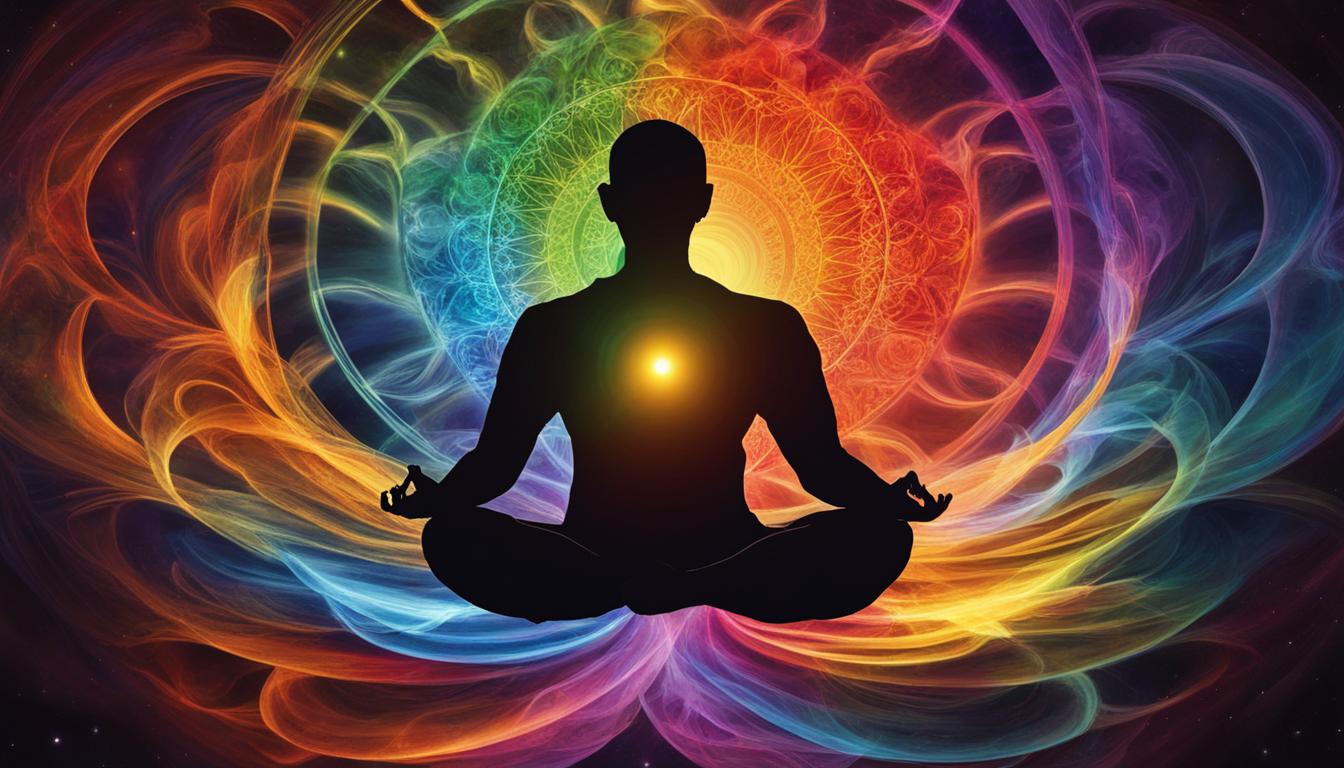
Meditation is a fundamental practice for chakra healing. By quieting the mind and focusing your attention inward, you can create a space for energy to flow freely through your chakras. Start by finding a peaceful environment where you can sit comfortably, close your eyes, and take slow, deep breaths. Visualize each chakra, starting from the base of your spine and moving up to the crown of your head. As you focus on each chakra, imagine a vibrant light radiating from it, cleansing and balancing its energy.
Yoga
Yoga poses, or asanas, can help open and activate specific chakras. Each pose targets different energy centers, allowing for the release of tension and the restoration of balance. For example, the tree pose is beneficial for grounding and activating the root chakra, while the fish pose can enhance the energy flow in the throat and heart chakras. Incorporating yoga into your daily routine not only helps balance your chakras but also promotes flexibility, strength, and overall well-being.
Breathing Exercises
Breathing exercises, such as pranayama, are excellent tools for chakra healing. Conscious breathing techniques help regulate the flow of energy and oxygen throughout the body, promoting a sense of calm and balance. One simple exercise is alternate nostril breathing, which involves closing one nostril with your finger while inhaling through the other, then switching nostrils and exhaling. This practice harmonizes the energy in the body and stimulates the flow of prana, the vital life force.
| Technique | Benefits |
|---|---|
| Meditation | Quiet the mind, restore energy flow, promote balance |
| Yoga | Open and activate specific chakras, release tension, enhance overall well-being |
| Breathing Exercises | Regulate energy flow, promote calmness and balance |
Supporting Chakra Balance with Crystals and Essential Oils
Crystals and essential oils are valuable tools that can be used in conjunction with other chakra healing techniques to support and enhance the balancing of your energy centers. Each crystal has its own unique energy frequency and resonance that can align with specific chakras, helping to restore balance and harmony within your body and mind. Similarly, essential oils contain potent properties that can stimulate and influence the chakras, promoting healing and overall well-being.
Crystals for Chakra Healing
When it comes to crystal healing, different stones resonate with each chakra. Here are a few examples:
| Chakra | Associated Crystal |
|---|---|
| Root Chakra | Red Jasper |
| Sacral Chakra | Carnelian |
| Solar Plexus Chakra | Citrine |
| Heart Chakra | Rose Quartz |
| Throat Chakra | Aquamarine |
| Third Eye Chakra | Amethyst |
| Crown Chakra | Clear Quartz |
By choosing the appropriate crystals and placing them on the corresponding chakra points during meditation or sleep, you can facilitate the flow of energy and encourage balance within your body.
Essential Oils for Chakra Healing
Essential oils possess unique aromatic compounds that can have a profound effect on the chakras. Here are some essential oils commonly used for chakra healing:
- Lavender for calming the mind and opening the crown chakra
- Orange for stimulating creativity and balancing the sacral chakra
- Peppermint for promoting clarity and energizing the solar plexus chakra
- Ylang-Ylang for enhancing love and compassion in the heart chakra
- Frankincense for deepening spiritual connection and activating the third eye chakra
- Sandalwood for promoting tranquility and balancing the root chakra
You can use these oils in a diffuser, apply them topically, or mix them with carrier oils for a soothing massage. Inhaling the aroma of these oils can also have a therapeutic effect on the chakras, helping to restore harmony and balance.
By incorporating crystals and essential oils into your chakra healing practice, you can further enhance the effectiveness of your efforts. These powerful tools can support the balancing of your energy centers and promote overall well-being, allowing you to experience a deeper sense of connection and harmony within yourself.
Conclusion
Chakra balancing is an essential practice for achieving holistic wellness and aligning your energy centers. By understanding the functions of the seven main chakras and implementing techniques like meditation, yoga, and the use of crystals and essential oils, you can experience improved physical, emotional, and spiritual well-being.
Through chakra balancing, you can release stored emotions, improve energy flow, and enhance mental clarity. By clearing blockages and allowing the chakras to flow at a healthy rate, you can promote overall health and well-being. It is a powerful way to achieve harmony of the mind, body, and spirit.
Embracing chakra balancing can lead to a greater sense of self-awareness and a deeper connection with your own mind, body, and spirit. By incorporating this practice into your life, you can tap into the transformative power of energy healing and experience the benefits of holistic wellness.
How does chakra balancing massage differ from traditional chakra balancing methods?
Chakra balancing massage incorporates the principles of traditional chakra balancing methods while focusing on the physical aspect. This massage technique aims to restore balance and unblock energy centers throughout the body, promoting overall wellbeing. By combining the benefits of massage therapy with chakra healing, chakra balancing massage explanation offers a unique approach to harmonizing the mind, body, and spirit.
FAQ
What is chakra balancing?
Chakra balancing is the process of aligning and harmonizing the energy centers in your body to promote overall well-being.
How do chakras affect our physical, psychological, and spiritual functions?
Chakras are believed to influence different aspects of our physical, psychological, and spiritual well-being by regulating the flow of energy throughout our body.
What are the seven main chakras?
The seven main chakras include the root chakra, sacral chakra, solar plexus chakra, heart chakra, throat chakra, third eye chakra, and crown chakra.
What are the signs of chakra imbalances and blockages?
Chakra imbalances and blockages can manifest as difficulties processing emotions, chronic health conditions, relationship difficulties, and low emotional intelligence.
Why is chakra balancing important for physical and emotional well-being?
Chakra balancing promotes physical and emotional well-being by clearing blockages and allowing the energy centers to flow at a healthy rate.
What techniques can be used for chakra balancing?
Techniques for chakra balancing include meditation, yoga, and breathing exercises.
How can crystals and essential oils support chakra balancing?
Crystals and essential oils can be used as complementary tools to support chakra balancing by resonating with specific chakras and promoting balance and healing.
What are the benefits of chakra balancing?
Chakra balancing can release stored emotions, improve energy flow, enhance mental clarity, and contribute to overall holistic wellness.