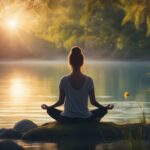

Japa meditation is a practice of mantra recitation that has been used in Yoga for centuries. It involves repeating a mantra either aloud, in a whisper, or mentally. The repetition of the mantra helps to focus the mind and harness the body and mind’s subtle energies. Mantras can be composed of single syllables or strings of sounds.
The practice of Japa meditation is believed to remove negative habit patterns and gradually overcome spiritual darkness. It has transformative power and can protect the mind by calling upon and awakening Transcendental Energy. Japa can be practiced with the aid of malas, which are prayer bead necklaces made from various materials such as wood, seeds, or semiprecious stones. These malas are used to count the repetitions of the mantra during the practice. Japa meditation can be practiced by beginners and experienced practitioners alike, and it is a powerful tool for self-transformation and spiritual growth.
Key Takeaways:
- Japa meditation is a practice of mantra recitation used in Yoga for centuries.
- Repeating a mantra helps to focus the mind and harness subtle energies.
- Mantras can be single syllables or strings of sounds.
- Japa meditation has transformative power and can protect the mind.
- It can be practiced with the aid of prayer bead necklaces called malas.
Benefits of Japa Meditation
Japa meditation offers a wide range of benefits for both mental health and spiritual growth. By incorporating this practice into your daily routine, you can experience a profound transformation in various aspects of your life.
First and foremost, Japa meditation helps to calm the mind and enhance focus and concentration. The repetitive nature of mantra recitation allows you to enter a state of deep relaxation, reducing stress and anxiety. This practice also promotes mental clarity, improving your ability to think clearly and make sound decisions.
Furthermore, Japa meditation increases self-awareness and mindfulness. As you engage in the repetition of mantras, you develop a heightened sense of presence and inner peace. This practice allows you to cultivate a deep connection with your true self and develop a greater understanding of your spiritual nature.
“Japa meditation can also aid in overcoming negative thought patterns and cultivating positive emotions such as compassion and gratitude.”
Another significant benefit of Japa meditation is its ability to help you overcome negative thought patterns and cultivate positive emotions. Through consistent practice, you can gradually let go of negative habits and attitudes, replacing them with qualities such as compassion and gratitude. This transformation leads to improved overall well-being and a greater sense of mental and emotional balance.
Benefits of Japa Meditation:
- Calms the mind and enhances focus and concentration.
- Reduces stress and anxiety, promoting relaxation.
- Increases self-awareness and mindfulness.
- Aids in overcoming negative thought patterns.
- Cultivates positive emotions, such as compassion and gratitude.
| Benefit | Description |
|---|---|
| Calms the mind | Enhances focus and concentration |
| Reduces stress and anxiety | Promotes relaxation |
| Increases self-awareness | Develops mindfulness |
| Aids in overcoming negative thought patterns | Cultivates positive emotions |
In summary, Japa meditation is a powerful practice that offers numerous benefits for mental health and spiritual growth. By incorporating this practice into your daily life, you can experience increased clarity, inner peace, and a deeper connection with your true self. Take the first step on your Japa meditation journey and discover the transformative power it holds.
Japa Meditation Techniques
When practicing Japa meditation, there are various techniques you can use to deepen your experience and enhance your spiritual growth. Whether you are a beginner or have been practicing for some time, exploring different techniques can help you find what resonates best with you. Here are a few commonly used Japa meditation techniques:
Mindful Repetition
This technique involves choosing a mantra that holds personal significance for you. Sit comfortably in a quiet space, close your eyes, and start repeating the mantra either aloud, in a whisper, or silently in your mind. Focus on each repetition, bringing awareness to the sound and vibration of the mantra. Let go of any distractions and let the mantra guide you into a state of deep concentration and inner stillness.
Guided Visualization
In this technique, you can complement your mantra repetition with visualizations. Begin by choosing a mantra and visualizing a specific image or scene that aligns with your intentions or desires. As you repeat the mantra, imagine yourself embodying the qualities or experiences associated with the visualization. Allow the power of your imagination to amplify the effects of your meditation practice.
“Japa meditation is not just about repeating a mantra; it is about creating a sacred space within yourself where you can connect with your inner divinity.”
– Anonymous
| Technique | Description |
|---|---|
| Affirmation Repetition | This technique involves choosing an affirmative statement that reflects what you wish to manifest or cultivate in your life. Repeat the affirmation with conviction and belief, allowing it to permeate your subconscious mind and shape your thoughts and behaviors. |
| Breath Awareness | In this technique, focus your attention on your breath as you repeat the mantra. Mentally link each repetition of the mantra with the inhalation and exhalation of your breath. This technique helps quiet the mind and cultivate a sense of inner peace and calmness. |
Exploring different Japa meditation techniques allows you to customize your practice and discover what works best for you. Remember, the key to a fruitful Japa meditation practice is consistency and regularity. Dedicate a specific time each day to immerse yourself in the transformative power of Japa meditation.
Japa Mala and Its Significance
Japa Mala is an essential tool used in Japa Meditation to enhance the practice and deepen the spiritual experience. A Japa Mala is a prayer bead necklace that consists of 108 beads, each bead representing a repetition of the mantra during meditation. The use of a Japa Mala adds a symbolic and sacred element to the practice, helping to create a focused and mindful atmosphere.
When using a Japa Mala, the practitioner holds the mala in their right hand, with the beads draped over the middle or ring finger. With each repetition of the mantra, the practitioner moves their thumb to the next bead on the mala. The mala also features a larger bead called the guru bead, which marks the beginning and end of the practice. This counting method helps the practitioner stay present and connected to the meditation, allowing for a more profound experience.
“The Japa Mala serves as a physical reminder of your commitment to the practice and serves as a beautiful representation of your spiritual journey.”
The materials used to create Japa Malas vary, with options like wood, seeds, pearls, semiprecious stones, or crystal. Each material carries its own energetic properties, further enhancing the meditation experience. By choosing a Japa Mala that resonates with you on a personal level, you can create a deeper connection to the practice and infuse it with your intentions and energy.
| Benefits of Japa Mala Meditation |
|---|
| Enhances focus and concentration during the practice |
| Deepens the spiritual experience and connection |
| Acts as a physical reminder and representation of your commitment |
| Assists in maintaining a consistent and regular meditation practice |
By incorporating a Japa Mala into your meditation routine, you can enhance the benefits of Japa Meditation and create a deeper connection to your spiritual journey. The Japa Mala serves as a physical reminder of your commitment to the practice and acts as a beautiful representation of your spiritual growth. Explore the various materials and options available and choose a Japa Mala that resonates with you and aligns with your intentions. Allow the Japa Mala to guide you on your meditation journey and experience the transformative power of this sacred tool.
Japa Mantra Meditation: A Guided Journey to Spiritual Growth
Embarking on the path of Japa mantra meditation can be a transformative experience for your spiritual growth. By choosing a mantra that resonates with your intentions and following the proper technique, you can unlock the profound benefits of this ancient practice. Whether you are a beginner or an experienced practitioner, Japa mantra meditation offers a structured and meaningful approach to cultivate mindfulness, focus, and a deeper connection to your true self.
Choosing the Right Mantra
The first step in Japa mantra meditation is selecting a mantra that aligns with your goals and aspirations. The chosen mantra acts as a powerful affirmation, creating a rhythm and sound that calm the mind and deepen the meditative state. There are numerous mantras to choose from, each with its own unique meaning and purpose. Popular mantras like “Om,” “Om Mani Padme Hum,” and “So Hum” are widely used and revered. The key is to choose a mantra that resonates with you on a deep level and feels authentic to your spiritual journey.
Integrating the Technique
Once you have chosen your mantra, it is important to understand and integrate the technique of Japa mantra meditation. Begin by finding a quiet and comfortable space for your practice. You can either sit on the floor or use a chair, ensuring that your spine is straight and your body relaxed. From there, either chant the mantra aloud, whisper it, or repeat it silently in your mind. Many practitioners find it helpful to use a Japa mala, a string of beads used for counting repetitions. Each bead represents a repetition of the mantra, helping you maintain focus and track your progress.
Experience the Benefits
As you deepen your Japa mantra meditation practice, you will start to experience the profound benefits it offers. Not only does it calm the mind and enhance focus, but it also promotes a sense of inner peace and self-awareness. Through regular practice, Japa mantra meditation can help you overcome negative thought patterns, cultivate positive emotions, and expand your spiritual connection. It is a journey of self-discovery and transformation that can lead to mental well-being, emotional balance, and spiritual growth.
| Benefits of Japa Mantra Meditation |
|---|
| Calms the mind and enhances focus |
| Promotes inner peace and self-awareness |
| Overcomes negative thought patterns |
| Cultivates positive emotions such as compassion and gratitude |
| Expands spiritual connection and understanding |
| Leads to mental well-being and emotional balance |
| Fosters spiritual growth and self-transformation |
Japa Meditation Techniques
Japa meditation offers various techniques that can be practiced to deepen your spiritual journey. These techniques provide different ways to engage with the mantra and cultivate a focused and tranquil state of mind. Let’s explore some of the commonly practiced Japa meditation techniques:
1. Maanas Meditation: In Maanas Meditation, the mantra is silently chanted in the mind. This technique allows you to internalize the mantra and experience a deep sense of inner peace and stillness. It is a powerful way to connect with the essence of the mantra and dive into the depths of your consciousness.
2. Vachak Meditation: Vachak Meditation involves chanting the mantra in a low voice, almost like a whisper. This technique combines the power of vocalization with the introspective quality of silent meditation. It can help in creating a harmonious vibration within and around you, promoting a sense of unity and tranquility.
3. Kirtan or Sankirtan Meditation: Kirtan or Sankirtan Meditation is a devotional practice where the mantra is chanted loudly, often accompanied by singing and musical instruments. This technique engages not just the mind but also the body and voice, creating a dynamic and uplifting experience. It can foster a sense of community and celebration, allowing the mantra’s energy to resonate deeply within you.
Choosing the Right Technique
When deciding which Japa meditation technique to practice, it is essential to consider your personal preferences, goals, and spiritual inclinations. Some individuals may resonate more with the introspective nature of Maanas Meditation, while others may find solace in Vachak Meditation’s gentle vocalization. Kirtan or Sankirtan Meditation can be a wonderful choice for those who enjoy communal chanting and a vibrant atmosphere.
Experimenting with different techniques can help you discover the one that resonates most with your spiritual practice. Remember to approach your meditation practice with an open heart and a receptive mind. The key is to find a technique that allows you to connect deeply with the mantra and experience its transformative power.
| Japa Meditation Techniques | Description |
|---|---|
| Maanas Meditation | Silently chant the mantra in the mind, cultivating inner peace and stillness. |
| Vachak Meditation | Chant the mantra in a low voice, creating harmonious vibrations within and around. |
| Kirtan or Sankirtan Meditation | Chant the mantra loudly with singing and musical instruments, fostering celebration and unity. |
Conclusion
Japa meditation is a wonderful practice that is accessible to beginners and can greatly benefit your mental health and overall well-being. By incorporating Japa meditation into your daily routine, you can experience its transformative power and cultivate a sense of focus, mindfulness, and deep connection to your true self.
With the repetitive recitation of a chosen mantra and the use of a mala necklace, Japa meditation provides a structured and meaningful approach to meditation. It helps calm the mind, enhance concentration, and improve mental clarity. Additionally, Japa meditation can reduce stress and anxiety, increase self-awareness and mindfulness, and promote inner peace.
Whether you are new to meditation or have been practicing for a while, Japa meditation is a powerful tool that you can easily incorporate into your life. Find a mantra that resonates with you, follow the techniques that suit your preferences, and commit to regular practice. By doing so, you can unlock the numerous benefits of Japa meditation for your mental health and well-being.
Can Active Meditation Be Considered a Form of Japa Meditation?
Active meditation techniques, such as walking meditation or mindful movement, can certainly be considered a form of Japa meditation. Both types involve focused, repetitive actions that help quiet the mind and cultivate a sense of inner peace and connection. Each approach offers a unique way to achieve meditative stillness and clarity.
FAQ
What is Japa meditation?
Japa meditation is a practice of mantra recitation used in Yoga for centuries. It involves repeating a mantra either aloud, in a whisper, or mentally to focus the mind and harness the body and mind’s energies.
What are the benefits of Japa meditation?
Japa meditation helps calm the mind, enhance focus and concentration, improve mental clarity, reduce stress and anxiety, increase self-awareness and mindfulness, promote inner peace and spiritual connection, overcome negative thought patterns, and cultivate positive emotions.
How do you practice Japa meditation?
Choose a mantra, repeat it either aloud, in a whisper, or mentally, use a mala necklace to count repetitions, hold the mala in your right hand with the beads draped over the middle or ring finger, and maintain focus and mindfulness during the practice.
What is a Japa mala?
A Japa mala is a prayer bead necklace used as a tool in Japa meditation. It typically has 108 beads (though variations with fewer beads are also used), and each bead represents a repetition of the mantra during the practice.
How do you choose a mantra for Japa meditation?
Choose a mantra that resonates with your goals and intentions. Some commonly used mantras include “Om,” “Om Mani Padme Hum,” “Om Sri Ramaya Namah,” “Aham Brahma Asmi,” and “So Hum.” Stick with one mantra for consistency and recite it with clarity, rhythm, and concentration.
What are the types of Japa meditation?
The most commonly practiced types include Maanas Meditation (chanting silently in the mind), Vachak Meditation (chanting in a low voice), and Kirtan or Sankirtan Meditation (chanting loudly with singing). Each type offers a unique experience.
How can Japa meditation benefit beginners?
Japa meditation can be practiced by beginners and experienced practitioners alike. It provides a structured and meaningful approach to meditation, enhances mental wellness, promotes spiritual growth, and offers a deeper sense of connection to one’s true self.