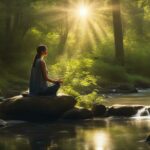

Walking meditation is a practice of mindfulness in motion that can be done anywhere and is accessible to beginners and advanced practitioners alike. It involves being fully present and aware of your body and physical sensations as you walk. It is a complementary practice to seated meditation and offers additional insights when practiced in combination. Walking meditation can be integrated into daily life easily since walking is a familiar activity for most people. It provides an opportunity to cultivate gratitude and a deeper connection with the earth.
Key Takeaways:
- Walking meditation is a form of mindfulness in motion.
- It involves being fully present and aware of your body and physical sensations while walking.
- It can be practiced by beginners and advanced practitioners.
- Walking meditation can be integrated easily into daily life.
- It provides an opportunity to cultivate gratitude and a deeper connection with the earth.
Benefits of Walking Meditation: Enhancing Mindfulness and Reducing Stress
Walking meditation offers numerous benefits for both physical and mental well-being. By incorporating mindful movement into your practice, you can enhance your mindfulness and reduce stress. Here are some key benefits of walking meditation:
- Stress Reduction: Walking meditation provides an opportunity to step away from the demands of daily life and find tranquility in the present moment. The rhythmic movement and focused attention help calm the mind, alleviate stress, and promote a sense of inner peace.
- Mindfulness Enhancement: Walking meditation allows you to cultivate mindfulness by tuning into the sensations of your body and surroundings. You become fully present and aware of each step, the movement of your feet, and the physical sensations that arise. This heightened awareness can be carried into other aspects of your life, promoting mindfulness in your daily activities.
- Physical Well-being: Engaging in regular walking meditation can have positive effects on your physical well-being. It helps improve blood circulation, stretches your muscles, and enhances your overall fitness. Walking regularly can also contribute to weight management and cardiovascular health.
- Connection with Nature: Walking meditation provides an opportunity to connect with nature and the environment around you. As you walk, you can take in the sights, sounds, and smells of your surroundings, fostering a deeper appreciation for the natural world.
By practicing walking meditation, you can experience these benefits and cultivate a greater sense of well-being in your life. Whether you are seeking stress reduction, mindfulness enhancement, or simply a way to connect with your body and surroundings, walking meditation is a valuable practice to incorporate into your routine.
Quote:
“Walking meditation is like walking on clouds. It brings a sense of lightness and freedom, allowing you to leave your worries behind and be fully present in each step.” – Mindful Walker
Next, we will explore the steps for practicing walking meditation and how to incorporate mindful movement into every step.
| Benefits of Walking Meditation | Keywords |
|---|---|
| Stress Reduction | Walking Meditation for Stress Reduction |
| Mindfulness Enhancement | Walking Meditation for Mindfulness |
| Physical Well-being | Benefits of Walking Meditation |
| Connection with Nature | Benefits of Walking Meditation |
Steps for Walking Meditation: How to Practice Mindful Movement
Practicing walking meditation is a simple yet powerful way to cultivate mindfulness and connect with the present moment. Here are the essential steps to help you get started on your mindful movement journey:
Finding a Suitable Location
Choose a peaceful location where you can walk without distractions. It could be a park, a quiet street, or even your own backyard. Ensure there are no obstacles in your path so that you can walk slowly and mindfully.
Anchoring Yourself through Deep Breathing
Before you begin walking, take a few deep breaths to anchor yourself in the present moment. Focus on the sensations of the breath as it enters and leaves your body. This helps to calm the mind and bring your attention to the present.
Directing Your Attention to the Movement of Your Body
Start walking at a comfortable pace, paying attention to the movement of your feet and legs. Notice the sensation of your feet making contact with the ground, the swinging of your arms, and the overall motion of your body as you advance. Stay present with each step, observing any physical sensations that arise.
Maintaining Mindfulness and Upright Posture
As you walk, maintain a state of mindfulness by observing any thoughts or moods that arise without judgment. Stay aware of your surroundings, noticing the sights, sounds, and smells around you. Keep an upright and dignified posture, allowing your arms and hands to naturally swing by your sides.
By following these steps, you can experience the profound benefits of walking meditation and develop a deeper connection with the present moment. Remember, walking meditation is a practice, so allow yourself the space and time to explore and develop your own mindful movement.
Techniques for Walking Meditation: Enhancing Mindfulness of the Present Moment
In walking meditation, the focus is on cultivating mindfulness of the present moment. There are several techniques you can employ to enhance your awareness and deepen your practice:
1. Paying attention to the movement of your body
As you walk, direct your attention to the lifting and falling of your feet, the sensations in your legs, and any shifting of your body. By staying attuned to these physical sensations, you anchor yourself in the present moment and develop a heightened sense of mindfulness.
2. Observing the environment without judgment
While walking, be aware of the sights and sounds around you. Take in the beauty of nature, notice the colors and shapes, and listen to the sounds of birds chirping or leaves rustling. Avoid getting caught up in labeling or analyzing these experiences; instead, simply observe them with an open and non-judgmental mind.
“Walking meditation is a way to practice mindfulness in motion. By focusing on the present moment and the sensations of your body, you can cultivate a deeper sense of awareness and appreciation for the world around you.”
3. Tuning into your senses
Engage your sense of smell and notice any scents that come your way, whether it’s the fragrance of flowers or the freshness of the air. Also, pay attention to physical sensations such as the temperature, the wind on your skin, or the contact between your feet and the ground. These sensory experiences can serve as anchors, bringing you back to the present moment when your mind starts to wander.
By incorporating these techniques into your walking meditation practice, you can enhance your mindfulness and develop a deeper connection with the present moment. Allow yourself to fully immerse in the experience and embrace the benefits it offers for your overall well-being.
| Techniques for Walking Meditation | Mindfulness in Walking Meditation |
|---|---|
| Paying attention to the movement of your body | Enhances awareness of physical sensations and anchors mindfulness in the present moment |
| Observing the environment without judgment | Fosters non-judgmental observation of sights and sounds, cultivating a sense of openness and acceptance |
| Tuning into your senses | Engages the senses to deepen awareness and bring focus back to the present moment |
Mindful Movement in Walking Meditation: Developing Awareness in Every Step
In walking meditation, the focus is not just on the act of walking, but on the mindful movement that occurs with every step. It’s about developing a deep awareness of your body, your surroundings, and the present moment as you walk. By paying attention to the subtle sensations in your body, the rhythm of your stride, and the shifting of your weight, you can cultivate a sense of ease and flow in your movement.
As you walk mindfully, let yourself become fully present in the experience. Tune into the sensations in your legs and feet as they make contact with the ground. Notice the gentle rise and fall of your chest with each breath. Be aware of the movement of your arms and the slight swaying of your hips as you walk.
Allow yourself to be fully immersed in the present moment, letting go of any distractions or worries. With each step, feel the earth beneath your feet, connecting you to the ground and grounding you in the present. As you walk, observe the sights, sounds, and smells around you, taking in the beauty of your surroundings.
Bringing mindfulness into each step
“Walking meditation is a practice of embodying mindfulness in motion, allowing you to bring a sense of presence and awareness into each step you take.”
In walking meditation, every step becomes an opportunity to deepen your mindfulness practice. Use the physical sensations of walking as an anchor for your awareness, bringing your attention back to the present moment whenever your mind starts to wander. By focusing on the movement of your body and the sensations you experience, you can cultivate a deeper sense of awareness and presence in your everyday life.
| Benefits of Mindful Movement in Walking Meditation | How to Practice Mindful Movement in Walking Meditation |
|---|---|
|
|
Practicing mindful movement in walking meditation can have profound effects on your overall well-being. It allows you to develop a deeper connection with your body, cultivate mindfulness, and bring a sense of ease and flow into your daily life. So, take the time to slow down, walk with intention, and savor each step as you embrace the practice of mindful movement in walking meditation.
How to Practice Walking Meditation: Tips and Suggestions for a Meaningful Experience
Walking meditation is a wonderful way to cultivate mindfulness and find greater peace in your daily life. To help you get started on your journey of mindful movement, here are some tips and suggestions for a meaningful walking meditation experience:
- Choose a suitable location: Find a place where you can walk without obstacles and distractions. It could be a park, a garden, or even a quiet street. The key is to have a peaceful environment that allows you to fully immerse yourself in the practice.
- Set aside dedicated time: Allocate at least 10 minutes for each session. This will give you enough time to settle into the practice, connect with your body, and experience the benefits of walking meditation.
- Start with a body check: Before you begin walking, take a moment to check in with your body. Notice your posture and physical state. This awareness will help you connect with your body and set a foundation for the practice.
- Observe your walking gait: As you start walking, let your natural gait guide you. Resist the urge to change your walking pattern or speed. Instead, simply observe the movement of your body as you take each step.
- Tune in to your surroundings: Use your senses to fully experience the present moment. Notice the sounds and smells around you. Observe the colors, shapes, and textures of your surroundings. Engage with the environment without getting caught up in labeling or analyzing it.
As you continue walking, be aware of any physical sensations that arise. Feel the contact between your feet and the ground. Notice the shifting of your weight from one leg to another. Maintain a steady rhythm and use it as an anchor for your awareness.
Finally, as you wrap up your walking meditation, take a moment to stand still and reflect on your experience. Consider how you can carry the mindfulness you cultivated during your walk into the rest of your day.
By following these tips and suggestions, you can create a meaningful and transformative walking meditation practice that enhances your overall well-being. Embrace the journey of mindful movement and discover the profound benefits it can bring to your mind, body, and spirit.
Conclusion
Walking meditation is a powerful practice that can enhance your mindfulness and reduce stress. By engaging in mindful movement and being fully present in each step, you can deepen your connection with the present moment and cultivate a sense of peace and gratitude. Incorporating walking meditation into your daily life can bring about profound benefits for your overall well-being.
As a walking meditation guide, this practice offers a gentle and accessible way to bring mindfulness into your everyday activities. It doesn’t require any special equipment or training and can be done in any quiet and obstacle-free location. Whether you are a beginner or an advanced practitioner, walking meditation is a valuable tool for finding calm and clarity amidst the busyness of life.
Take the time to explore the transformative effects of walking meditation. Start by setting aside at least 10 minutes each day to fully immerse yourself in the practice. Notice the sensations in your body, the rhythm of your stride, and the beauty of your surroundings. Allow walking meditation to become a guide for living mindfully and carry its benefits into every aspect of your life.
How Does Walking Meditation Differ from Traditional Mindfulness Meditation?
Walking meditation differs from traditional mindfulness meditation in that it involves being mindful while walking. This practice combines the physical activity of walking with mindfulness meditation techniques and benefits, focusing on the sensation of each step and the surroundings. It offers a unique way to cultivate awareness and presence.
FAQ
What is walking meditation?
Walking meditation is a practice of mindfulness in motion that involves being fully present and aware of your body and physical sensations as you walk.
Who can practice walking meditation?
Walking meditation is accessible to beginners and advanced practitioners alike. It can be integrated into daily life easily since walking is a familiar activity for most people.
What are the benefits of walking meditation?
Walking meditation offers numerous benefits for both physical and mental well-being. It helps get the blood circulating, reduces stress, promotes tranquility and peace, and cultivates mindfulness.
How do I practice walking meditation?
To practice walking meditation, find a peaceful location, take deep breaths to anchor yourself, walk slowly while focusing on the movement of your feet and legs, maintain mindfulness of physical sensations, thoughts, and moods, and use the rhythm of your walking as an anchor to bring your mind back to the present.
What is mindful movement in walking meditation?
Mindful movement in walking meditation involves paying attention to the sensations in your body as you walk, focusing on the movement of your arms and legs, the shifting of your weight, and the rhythm of your stride. It serves as a focal point to anchor your awareness in the present moment.
Where should I practice walking meditation?
Choose a suitable location where you can walk without obstacles and distractions in order to fully immerse yourself in the practice of walking meditation.
How long should each walking meditation session be?
Set aside at least 10 minutes for each walking meditation session to fully experience the benefits of the practice.
How can I carry mindfulness into the rest of my day?
After each walking meditation session, take a moment to stand still and reflect on how to carry mindfulness into the rest of your day, bringing awareness to your actions and interactions.
What are the transformative effects of walking meditation?
Walking meditation can have transformative effects on your mind, body, and spirit. It deepens your connection with the present moment, cultivates peace and gratitude, and enhances overall well-being.