
Tarot cards have a fascinating history that dates back to ancient times. Originally used for games, these mysterious cards have evolved into a powerful tool for divination and guidance. Let’s explore the origins and early use of tarot cards and how they have evolved over the centuries.
Key Takeaways:
- Tarot cards originated in Italy in the 15th century as a variation of regular playing cards.
- The earliest references to tarot date back to the 1440s and 1450s.
- Tarot was initially a game of trick-taking and had no association with fortune-telling or the occult.
- In the 18th century, tarot cards started to be used for divination purposes.
- The Rider-Waite Tarot Deck, created in the 20th century, became the most widely used deck.
The Evolution of Tarot Card Reading
Throughout history, tarot cards have undergone a significant evolution in their purpose and usage. Originally, tarot cards were simply a game, with no association to fortune-telling or the occult. However, in the 18th century, tarot cards started to be used for divination purposes. Frenchman Jean-Baptiste Alliette, also known as Etteilla, assigned meanings to each card and developed specific spreads for readings, marking the beginning of tarot card reading as a form of fortune-telling.
As the popularity of tarot increased in the 20th century, the Rider-Waite Tarot Deck became the most widely used deck for readings. Created by Arthur Waite and Pamela Colman Smith, this deck introduced modern interpretations of tarot card symbolism and imagery. Today, tarot readings are a popular tool for tapping into intuition and seeking guidance on various aspects of life.
What makes tarot cards significant in the realm of divination is their ability to provide insightful interpretations and offer a deeper understanding of one’s self and the world around them. The symbolism within the cards holds profound meaning, representing archetypes and universal themes. Each card carries its own unique energy and message, allowing individuals to explore their subconscious and gain clarity.
While tarot card reading may have evolved from a simple game to a profound tool for self-reflection, its purpose remains rooted in providing guidance and offering a means to connect with one’s inner wisdom. The evolution of tarot card reading showcases its enduring relevance and the timeless fascination that it holds for those seeking answers and insights.
The Visual History of Tarot Cards
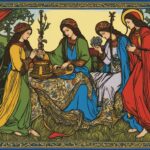
Tarot cards have a fascinating visual history that spans centuries. From the ornate illustrations of the Visconti-Sforza deck to the allegorical scenes of the Rider-Waite deck, tarot card art has evolved over time, reflecting the cultural and artistic influences of each era.
The Visconti-Sforza Deck
The Visconti-Sforza deck is one of the oldest surviving tarot decks and dates back to the 15th century. Commissioned by the Visconti and Sforza families in Italy, this deck features intricate and lavish illustrations that were likely inspired by carnival parades and courtly culture. The cards depict figures from the Renaissance nobility, such as kings, queens, knights, and maidens, showcasing the opulence and grandeur of the time.
In addition to the Visconti-Sforza deck, other historical tarot decks, such as the Tarot de Marseille from the 18th century, feature simple yet symbolic illustrations. These decks were popularized in France and became the foundation for many modern tarot decks.
Rider-Waite Deck and Modern Interpretations
The Rider-Waite Tarot Deck, created in 1909 by Arthur Waite and Pamela Colman Smith, revolutionized tarot card art and symbolism. The deck introduced a new standard for tarot illustrations, with vivid colors, detailed scenes, and intricate symbolism. Each card tells a story, with the Major Arcana representing important life lessons and archetypal experiences, while the Minor Arcana captures everyday situations and emotions.
Since the creation of the Rider-Waite deck, many contemporary tarot decks have emerged, each with its own unique artistic style and interpretation of tarot card imagery. Some decks draw inspiration from specific cultures, such as the African American Tarot, while others explore themes like fantasy, nature, or spirituality.
Overall, tarot card art continues to evolve and adapt, embracing new artistic techniques and cultural influences. The visual history of tarot cards reflects the enduring fascination with this ancient practice and the power of symbolism to transcend time and connect with the human experience.
| Tarot Deck | Year | Illustration Style |
|---|---|---|
| Visconti-Sforza | 15th century | Ornate and lavish, inspired by Renaissance nobility |
| Tarot de Marseille | 18th century | Simple and symbolic |
| Rider-Waite | 1909 | Vivid colors, detailed scenes, and intricate symbolism |
| African American Tarot | 1992 | Infuses African American culture and spirituality |
| Wild Unknown Tarot | 2012 | Abstract and nature-inspired |
Tarot Cards in Popular Culture
Tarot cards have transcended their original purpose and have become a source of inspiration in popular culture. The rich symbolism and intriguing imagery of tarot cards have made them a captivating subject across various art forms.
Tarot Cards in Fashion
The influence of tarot cards can be seen in the world of fashion, where designers have incorporated tarot motifs into their collections. Renowned fashion houses like Christian Dior and Maria Grazia Chiuri have embraced the mystique of tarot cards, featuring intricate tarot-inspired patterns and symbols in their designs. This fusion of fashion and divination creates a sense of enchantment and intrigue on the runway.
Tarot Card-Inspired Art
Tarot card imagery has also found its way into the realm of visual arts. Artists around the world have been inspired by the archetypal characters and mystical themes depicted in tarot cards. Their interpretations can be found in various art forms, including paintings, illustrations, and mixed media works. These artistic creations not only celebrate the beauty of tarot card illustrations but also invite viewers to explore the deeper meanings and symbolism behind each card.
Pop Culture Tarot Decks
Additionally, pop culture has embraced the allure of tarot cards through the creation of unique tarot decks. These decks often feature popular culture references and iconic characters, blending the traditional symbolism of tarot with contemporary themes. From Harry Potter-themed tarot decks to decks inspired by beloved TV shows, these interpretations capture the imagination of fans and offer a fresh perspective on the age-old practice of tarot card reading.
Tarot Card References
Moreover, tarot cards have become a common reference in literature, movies, and music. Authors incorporate tarot card symbolism into their storytelling to add depth and intrigue to their narratives. Filmmakers use tarot card motifs to create visually captivating scenes and enhance the mystical atmosphere of their films. Musicians draw inspiration from tarot card imagery and themes to infuse their lyrics with a sense of magic and mystery.
The influence of tarot cards in popular culture is a testament to their enduring fascination and allure. Whether it’s through fashion, art, pop culture decks, or countless references in various media, tarot cards continue to captivate and inspire people, inviting them to explore the realms of divination, symbolism, and personal introspection.
Table: Tarot Cards in Popular Culture
| Field | Examples |
|---|---|
| Fashion | Christian Dior, Maria Grazia Chiuri |
| Art | Paintings, Illustrations, Mixed Media Works |
| Pop Culture Tarot Decks | Harry Potter-themed decks, TV show-inspired decks |
| References in Literature, Movies, Music | Authors, Filmmakers, Musicians |
Conclusion
Tarot cards have a rich and multifaceted history, originating as a variation of regular playing cards in 15th century Italy. Originally used for games, they later evolved into a powerful tool for divination and guidance. Over time, the visual representations of tarot cards have changed, with the Rider-Waite deck becoming the most widely used and recognized.
Today, tarot cards have transcended their original purpose and have become influential in popular culture. Fashion designers like Christian Dior and Maria Grazia Chiuri have incorporated tarot card motifs into their collections, while literature, manga, and other forms of art frequently draw inspiration from tarot card imagery. The flexibility and symbolism of tarot cards allow for endless creative interpretations, resulting in unique and meaningful pop culture references.
While the occult associations of tarot cards may be subjective, their significance as a tool for introspection, guidance, and tapping into intuition is undeniable. Throughout history, tarot cards have captivated the imagination and offered insights into the human experience. Whether you seek spiritual guidance or simply appreciate the beauty of the cards, tarot continues to hold a special place in our society as a source of inspiration, reflection, and self-discovery.
What is the History and Purpose of Tarot Cards?
The history of understanding tarot card readings dates back to the 15th century in Europe. Originally used for playing games, tarot cards evolved into a tool for divination and self-reflection. The purpose of tarot cards is to provide insight and guidance into one’s past, present, and future.
FAQ
What were tarot cards originally used for?
Tarot cards originated in Italy in the 15th century as a variation of regular playing cards. They were initially used for playing a trick-taking game and had no association with fortune-telling or the occult.
How did tarot cards evolve into a tool for divination?
In the 18th century, tarot cards started to be used for divination purposes. Frenchman Jean-Baptiste Alliette assigned meanings to each card and developed specific spreads for readings. This marked the beginning of tarot card reading as a form of fortune-telling.
What is the most widely used tarot deck?
The Rider-Waite Tarot Deck, created by Arthur Waite and Pamela Colman Smith in 1909, is the most widely used tarot deck. It introduced modern interpretations of tarot card imagery and allegorical scenes in the Minor Arcana.
How have tarot cards influenced popular culture?
Tarot cards have transcended their original purpose and have become a source of inspiration in popular culture. They have been incorporated into fashion collections by designers like Christian Dior and Maria Grazia Chiuri. Tarot card imagery is also prevalent in literature, manga, and other forms of art.
What is the significance of tarot cards?
Tarot cards have a rich and multifaceted history. They provide guidance, tap into intuition, and offer insights into the human experience. While the occult associations may vary, the ability of tarot cards to inspire creativity and offer personal reflections remains indisputable.