Exploring spirit animal meanings takes you on a journey through cultures worldwide. Many think of spirit animals as a Native American tradition. But, this idea goes way beyond that. It’s a belief shared by many cultures, each with its own twist.
Learning about spirit animals means respecting their cultural roots. Each society gives its own meaning to these animals. This makes it important to be sensitive to these beliefs. We’ll look at how different cultures see spirit animals, showing the wide range of views on this topic.
Introduction to Spirit Animals
Spirit animals have always caught the interest of many across different cultures. They are seen as guides or protectors that help us understand our life paths.
What are Spirit Animals?
Animals in many cultures are seen as more than just living beings. They are thought to be spirit animals, which offer guidance, wisdom, and protection. These animals are linked to our personal and spiritual paths. They show us traits or characteristics that reflect who we are.
Origins and Historical Context
The term “spirit animal” was first used by anthropologists in the 19th century. They looked into the traditions and rituals of indigenous cultures. Each tribe had its own way of seeing and using spirit animals, which were key to their culture.
In many Native American tribes, spirit animals were highly respected. They played a big part in spiritual practices and helped people identify themselves within their communities.
Importance in Modern Times
Today, the idea of spirit animals is still important. Many people try to connect with their spirit animals for self-discovery and spiritual growth. These animals offer symbols that help us through tough times. They give us insights and guidance.
The reason spirit animals are still popular is because of their deep symbolism. People feel a strong connection to these spiritual guides.
Native American Interpretations of Spirit Animals
Native American spirit animals are complex, reflecting the rich beliefs of North American tribes. This section explores the variety of spirit animals and their meanings across different tribes.
Tribal Variations
Beliefs about spirit animals differ greatly from one tribe to another. For example, the Cherokee see the wolf as a guardian and teacher. Meanwhile, the Lakota view it as a symbol of family and community. These differences show the wide range of meanings spirit animals hold in Native American cultures.
Spirit Animal Symbolism in Native Tribes
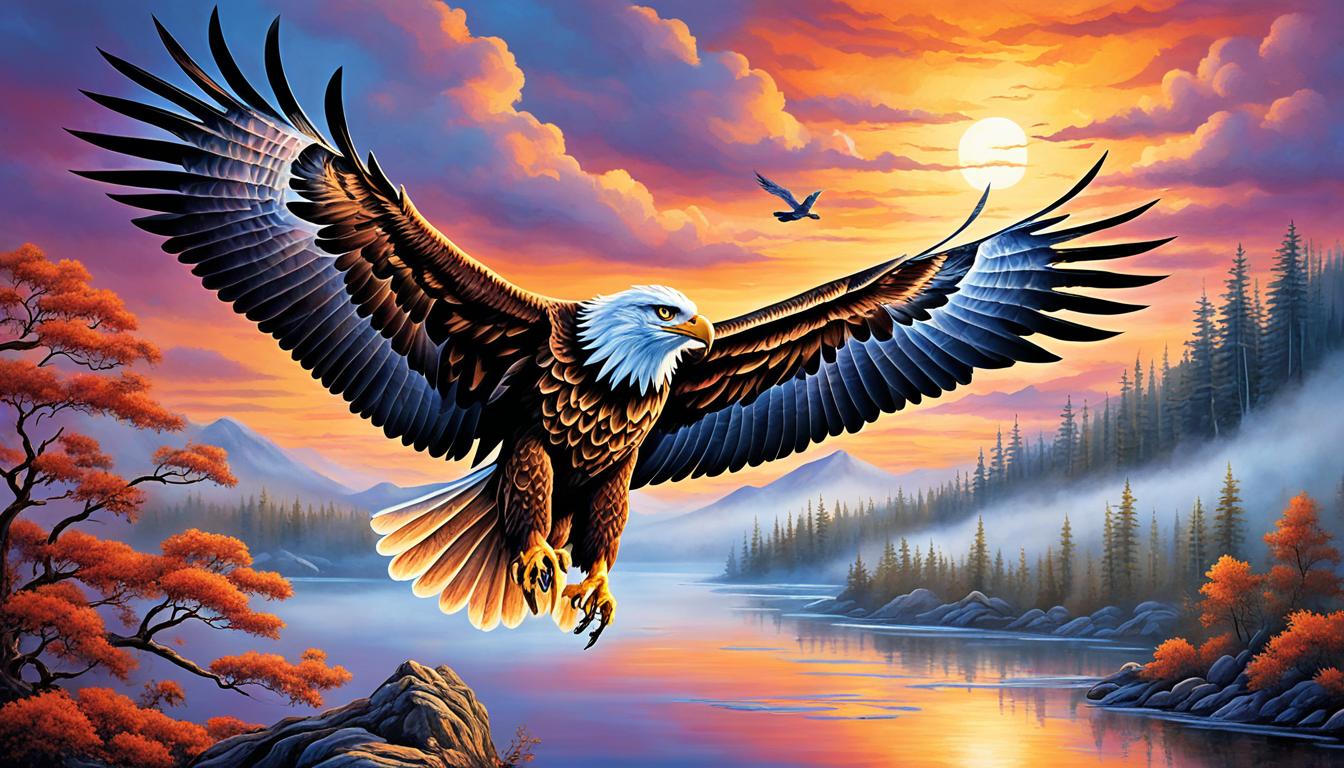
Each tribe has its own special animals, often linked to spiritual and cultural values. The eagle is a common symbol, representing a connection to the divine. The bear is important to the Ojibwe, symbolizing strength and deep thought. Here’s a look at some tribes and their spirit animals:
| Tribe | Spirit Animal | Symbolism |
|---|---|---|
| Cherokee | Wolf | Guardian, teacher |
| Lakota | Buffalo | Abundance, manifestation |
| Hopi | Eagle | Spirituality, vision |
| Ojibwe | Bear | Strength, introspection |
Misconceptions and Cultural Sensitivity
It’s important to respect and understand Native American spirit animals. A big mistake is simplifying these animals in popular culture, losing their deep spiritual and cultural value. Such actions can be seen as disrespectful, ignoring the rich meanings Native tribes give to these animals. Knowing the true value of Native American spirit animals helps us appreciate these traditions with respect and accuracy.
Spirit Animals in Celtic Traditions
The Celtic people deeply connected with nature. They believed every part of the natural world had a spirit. This belief was key to their spiritual lives and practices.
Animism and Animal Spirits
In Celtic traditions, animals were seen as powerful symbols and messengers. They didn’t believe in specific spirit animals like some Native American cultures. Instead, they thought animal spirits were everywhere, showing the essence of nature. These *Celtic spirit animals* were highly respected for their qualities. The Celts tried to learn from or gain favor with these animals.
Celtic Druid Beliefs
The Druids were the spiritual leaders of the Celts. They deeply respected nature and animals. They believed animals carried wisdom and guidance from the natural world. Druids performed rituals and ceremonies to honor these animal spirits. They sought advice from them for personal and community issues.
The following table showcases some common animals and their symbolic meanings in Celtic traditions:
| Animal | Symbolic Meaning |
|---|---|
| Stag | Strength, leadership, and nobility |
| Boar | Courage, ferocity, and protection |
| Raven | Wisdom, prophecy, and transformation |
| Salmon | Knowledge, inspiration, and rejuvenation |
| Bear | Healing, strength, and endurance |
The Druids’ practices showed the importance of understanding and respecting nature. With the help of *Celtic spirit animals*, they found deeper spiritual meaning and enrichment.
The Norse Concept of Fylgja
Norse traditions have a special idea called the *fylgja*. It’s a guardian spirit that sticks with a person or family. This part looks into what these spirits mean and their role in Norse culture. It shows how important they are as protectors tied to one’s destiny.
Meaning and Significance of Fylgja
The *Norse fylgja* is more than just a spirit animal. It stands for a person’s fate and protection. These spirits look like animals and show who you are or what your future might hold. Seeing your *fylgja* is thought to mean big changes or events are coming your way.
Differences Between Fylgja and Spirit Animals
It’s key to know how the *Norse fylgja* is different from spirit animals in other cultures. While many see spirit animals as guides, the *fylgja* is tied to destiny and family. It’s a personal part of your life journey, unlike spirit animals which teach life lessons.
| Characteristic | Fylgja | Spirit Animals |
|---|---|---|
| Origin | Norse Culture | Various Cultures |
| Role | Guardian Spirit | Spiritual Guide |
| Symbolism | Fate and Personal Protection | Life Lessons and Guidance |
| Appearance | Usually in animal form | Varies across cultures |
Learning about the *Norse fylgja* helps us see how Norse beliefs on destiny and protection are different from other traditions. This shows us the deep meaning behind ancient spiritual practices and how they still matter today.
Spirit Guides in Modern Neo-Shamanism
Neo-shamanism blends old shamanic ways with today’s world, focusing on nature and animal guides. It sees modern spiritual guides as very important. They bring together old wisdom and new ideas.
Neo-shamanists seek spirit guides to connect more with nature. These guides are seen as real helpers, offering insight, protection, and growth. Among these guides, animal spirits are very important. But, we use terms like “power animals” to avoid taking things that don’t belong to us.
Using “power animals” instead of “spirit animals” shows respect for their origins.
This careful way of speaking keeps the practice respectful and true to its roots. It also meets the spiritual needs of today. By choosing different words, neo-shamanism keeps its respect for cultures. It also makes the practice richer, letting us connect deeply with spiritual guides.
| Aspect | Traditional Shamanism | Modern Neo-Shamanism |
|---|---|---|
| Terminology | Spirit Animals | Power Animals |
| Connection to Nature | Intrinsic | Integral |
| Practice | Ancestral | Adapted to Modern Times |
| Cultural Sensitivity | Traditional Context | Mindful and Respectful |
| Spiritual Guides | Honored Elders | Modern Spiritual Guides |
Other Global Interpretations of Spirit Animals
Exploring spirit animals reveals a world full of diverse traditions. Many cultures have their own views on these spiritual connections. For example, the Aztecs saw animals like the jaguar and eagle as symbols of strength and vision.
These animals were more than symbols; they were seen as messengers and protectors of the soul.
In ancient Greek mythology, animals also carried deep spiritual meanings. The owl, linked to Athena, the goddess of wisdom, stood for knowledge and strategy. The serpent was a guardian of secrets and change.
Looking into spirit animals from different cultures, it’s important to be respectful and sensitive. Each culture’s view of spirit animals is closely linked to its history and beliefs. Learning about these traditions helps you respect their origins.
It also makes your spiritual journey richer by giving you a wider view and a deeper connection to the world.


