Learning how to deal tarot cards is an essential skill for anyone interested in practicing tarot readings. Tarot cards are not just tools for divination but also gateways to our intuition and guidance. In this article, we will explore the techniques and steps involved in dealing tarot cards, from selecting the right deck to starting a reading. So grab your tarot deck and let’s dive into the world of tarot card dealing.
Key Takeaways:
- Choosing a tarot deck that resonates with you is important for your practice.
- Familiarize yourself with the meanings of each tarot card to deepen your understanding.
- Shuffle your deck using various methods until you feel the cards are mixed well.
- Try popular tarot spreads like the linear three-card spread or the Celtic Cross for readings.
- Remember that tarot is a conversation with your intuition and a tool for guidance and insight.
Selecting the Right Tarot Deck
Before diving into the world of tarot card dealing, it’s crucial to select a tarot deck that speaks to you on a personal level. When choosing a deck, consider the artwork, symbolism, and how the cards feel in your hands. The imagery on the cards should resonate with your intuition and evoke a sense of connection. Take your time exploring different decks and trust your instinct when it comes to making a choice.
Many tarot decks come with guidebooks that provide detailed interpretations and explanations for each card. These guidebooks can be immensely helpful, especially for beginners who are just starting to familiarize themselves with the meanings of the cards. Look for a deck that includes a guidebook with clear and concise explanations that resonate with you.
Once you have your deck, take some time to study and familiarize yourself with the meanings of each card. Use the guidebook as a reference, but also trust your own intuition and insights. Tarot is a deeply personal and intuitive practice, and developing your own interpretation of the cards is an essential part of the journey. Don’t be afraid to experiment and explore different perspectives as you deepen your understanding of the tarot deck.
Table: Tips for Selecting the Right Tarot Deck
| Considerations | Tips |
|---|---|
| Artwork and Symbolism | Choose a deck with imagery and symbolism that resonates with you. |
| Guidebook | Look for a deck that includes a guidebook with clear and concise explanations. |
| Intuition | Trust your own intuition when selecting a deck and interpreting the cards. |
Remember, tarot is a powerful tool for self-reflection, guidance, and insight. Your tarot deck should be a trusted companion on your spiritual journey, so choose one that speaks to your soul and allows you to tap into your intuition with ease. With the right deck in hand, you’ll be ready to embark on a meaningful and transformative tarot card dealing experience.
Familiarizing Yourself with the Tarot Deck
Once you have your selected tarot deck, take the time to get acquainted with the meanings and symbolism of each card. Familiarizing yourself with the tarot deck is essential for building a strong foundation in tarot card dealing. Understanding the symbolism behind each card will enable you to interpret their messages accurately during readings.
To begin, explore the guidebook that accompanies your deck. This resource provides valuable insights into the meanings and interpretations of each card. Take note of the keywords, symbols, and elements associated with each card, as they hold significant importance in tarot readings.
Additionally, consider creating a personal tarot journal. This journal can serve as a space for writing down your interpretations, insights, and observations during your tarot practice. Take the time to reflect on each card, meditate on its symbolism, and explore the emotions it evokes within you. This exploration will deepen your connection with the cards and enhance your ability to provide meaningful readings.
Remember, tarot is a tool for self-reflection and personal growth. As you familiarize yourself with the meanings and symbolism of each card, trust your intuition to guide you. Tarot card dealing is an art that requires both knowledge and intuition. By blending both aspects together, you will be able to unlock the wisdom and guidance that tarot can offer.
Shuffling Your Tarot Deck
Before starting a tarot reading, it’s crucial to shuffle your deck thoroughly to ensure a fair distribution of the cards. There are different shuffling methods you can choose from, depending on your personal preference. One popular method is the overhand shuffle, where you hold the deck in one hand and use the other hand to pull a small group of cards from the top and let them fall back into the deck. Repeat this process several times to mix the cards.
Another method is the cut-and-restack shuffle. Start by cutting the deck into two roughly equal halves. Then, restack the two halves by alternating the cards from each half, one by one. This shuffle method is believed to create a more random distribution of the cards.
Remember, the key is to shuffle until you feel satisfied with the mixing of the cards. Trust your intuition and continue shuffling until you feel a sense of completion. Some tarot readers even like to perform a quick ritual, such as blowing on the deck or tapping it gently, to infuse it with their energy before starting the reading.
| Shuffling Methods | Description |
|---|---|
| Overhand Shuffle | Hold the deck in one hand and use the other hand to pull a small group of cards from the top and let them fall back into the deck. Repeat several times. |
| Cut-and-Restack Shuffle | Cut the deck into two halves, then restack the halves by alternating the cards from each half, one by one. |
Steps for Shuffling Your Tarot Deck:
- Pick a shuffling method that resonates with you.
- Hold the deck comfortably in your hands.
- Shuffle the cards using your chosen method, ensuring a thorough mix.
- Continue shuffling until you feel a sense of completion.
Once your deck is thoroughly shuffled, you’re ready to begin your tarot reading with confidence. Remember, tarot is a conversation with your intuition, and the cards are simply a tool to access your inner wisdom. Approach each reading with an open mind and trust the guidance that unfolds through the cards.
Beginner Tarot Spreads
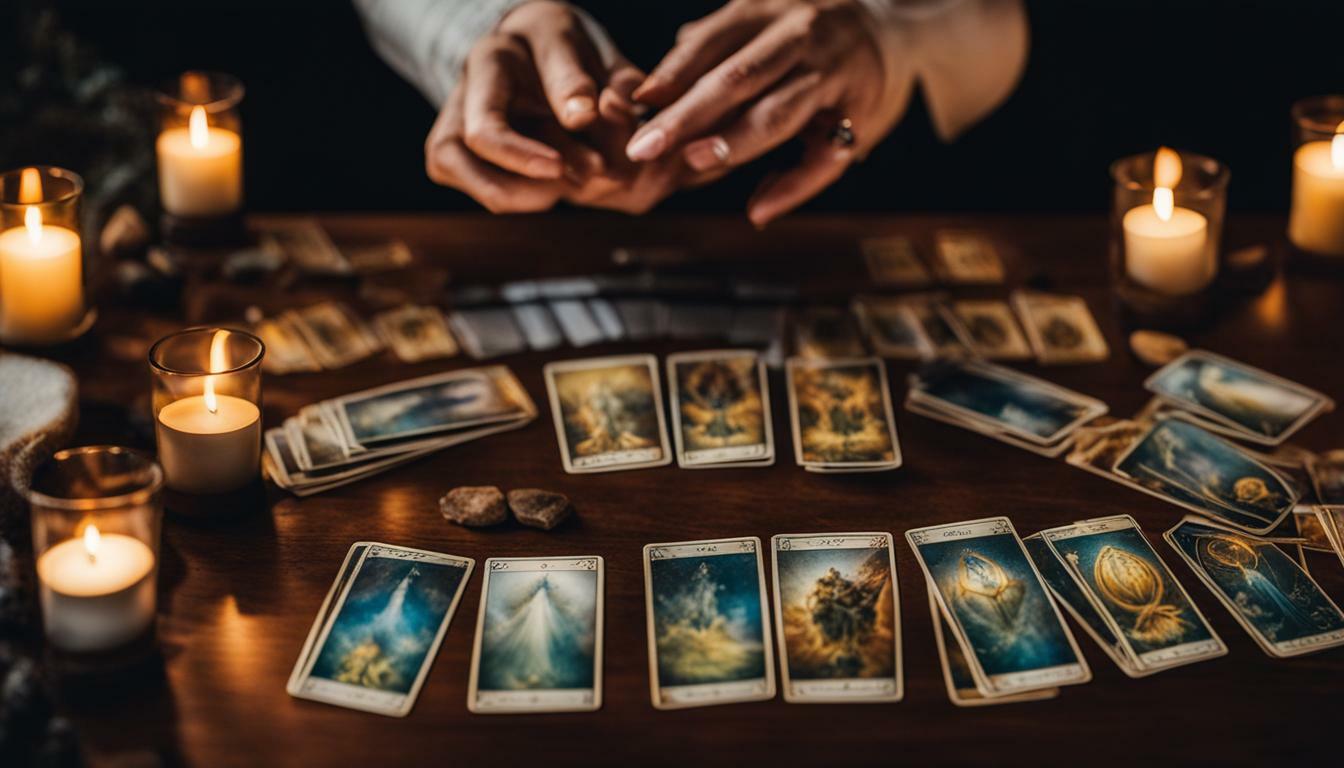
As a beginner, it’s helpful to start with simple tarot spreads that allow you to gain insight without feeling overwhelmed. One popular option is the linear three-card spread. To do this, shuffle your deck and then draw three cards. Place them side by side, and each card represents a different aspect: past, present, and future. This spread offers a concise snapshot of the situation and can provide guidance on how to move forward.
If you’re looking for a more in-depth reading, the Celtic Cross spread is a wonderful choice. This spread uses ten cards and offers a comprehensive analysis of a specific question or situation. Each card placement represents a different aspect, such as the past, present, future, and external influences. The Celtic Cross provides a detailed exploration of the circumstances, offering deeper insight and guidance.
Remember, the tarot is a conversation with your intuition, and the spreads serve as a tool for tapping into your inner wisdom. Each card has its own unique message and symbolism, and the spreads help organize and interpret these messages. “A tarot reading is like a story unfolding,” says renowned tarot expert, Mary Greer.
“Each card adds a new layer, revealing more about the situation and offering guidance on how to navigate it.”So, approach your tarot readings with an open mind, trust your instincts, and allow the cards to guide you on your journey of self-discovery and insight.
| Tarot Spread | Number of Cards | Key Aspects |
|---|---|---|
| Linear Three-Card Spread | 3 | Past, Present, Future |
| Celtic Cross | 10 | Past, Present, Future, External Influences, Hopes and Fears, Outcome |
Starting the Tarot Reading
Once you have shuffled your deck and selected your tarot spread, it’s time to embark on the tarot reading journey. Take a moment to ground yourself and connect with your intuition. Trust that the cards will reveal the insights and guidance you seek.
Begin by focusing on your question or intention for the reading. This will help set the tone and direction for your interpretation of the cards. Keep in mind that tarot readings are not about predicting the future, but rather gaining clarity and understanding of the present moment.
As you lay down each card, pay attention to your initial impressions and the emotions they evoke. Take note of the imagery, symbolism, and colors present in each card. These elements can provide valuable insights and messages from your subconscious mind.
Remember, the tarot is a tool for self-reflection and personal growth. Trust your intuition and allow yourself to explore the deeper meanings and connections between the cards. Each reading is unique, and the interpretation will depend on the context and your own intuitive insights.
Tarot as a Tool for Guidance and Insight
It’s essential to remember that tarot cards serve as a medium to tap into your intuition and receive valuable guidance and insight. When you approach a tarot reading, it’s important to approach it with an open mind and an intention to connect with your inner wisdom. The cards themselves are not magical or mystical, but rather symbols that can help you access your own subconscious knowledge and intuition.
During a tarot reading, the cards you draw can provide insights, clarity, and guidance on various aspects of your life. They can help you gain a deeper understanding of your current situation, explore different perspectives, and shed light on potential paths and opportunities. However, it’s important to remember that tarot readings are not set in stone and should be seen as a tool for self-reflection and personal growth.
As you start your tarot journey, it’s helpful to establish a connection with your deck and develop a ritual that enhances your intuitive abilities. Before each reading, take a moment to center yourself and set your intention. You can do this by holding the deck close to your heart, shuffling it while focusing on your question or intention, or even saying a simple prayer or affirmation. These practices can help you create a sacred space and invite clear and accurate messages from your intuition.
Remember, tarot card dealing is a personal and individual process. Trust your intuition and allow yourself to explore the meanings and symbolism of each card. Take your time to develop your own interpretations and connections with the cards. The more you practice, the more comfortable you will become with the tarot, and the deeper your connection with your own intuition will grow.
Using Tarot for Self-Reflection
Tarot can be a powerful tool for self-reflection and personal growth. By engaging in regular tarot readings, you can gain valuable insights into yourself, your relationships, and your life’s purpose. It’s important to approach tarot as a tool for self-discovery rather than seeking definitive answers. The cards can provide guidance, but ultimately, the power lies within you to make choices and create your own destiny.
| Key Points | Actions |
|---|---|
| Approach tarot with an open mind and intention to connect with your intuition. | Take a moment to center yourself before each reading and set your intention. |
| Remember that tarot readings are not set in stone and should be seen as a tool for self-reflection and personal growth. | Create a sacred space and invite clear and accurate messages from your intuition. |
| Develop your own interpretations and connections with the cards. | Practice regularly to deepen your connection with your intuition and the tarot. |
Are the Tarot Cards in Cult Of The Lamb Similar to Traditional Tarot Cards?
The tarot cards in cult of the lamb offer a fresh twist on traditional tarot cards. While both share the same concept, the cards in the game possess unique designs and meanings. Players will discover a captivating blend of mystical symbols and intriguing narrative as they delve into the mysterious world of Cult of the Lamb.
Conclusion
Congratulations! You now have the knowledge and techniques needed to confidently deal tarot cards and embark on meaningful readings.
To begin, select a tarot deck that resonates with you. Consider the artwork, symbolism, and how the cards feel in your hands. Take the time to familiarize yourself with the meanings of each card, utilizing the guidebook that often accompanies the deck to aid in your understanding.
Before starting a reading, it is essential to shuffle your deck. There are various shuffling methods, such as the overhand shuffle or the cut-and-restack method. Shuffle until you feel the cards are mixed to your satisfaction, ensuring a fair and unbiased reading.
Once your deck is shuffled, you can begin the reading. For beginners, the linear three-card spread is a popular choice. Draw three cards and lay them side by side to reveal insights and guidance. If you prefer a more detailed reading, the Celtic Cross spread is well-known and uses ten cards to explore various aspects of a situation or question.
Remember, tarot is a conversation with your intuition. The cards serve as a tool for gaining guidance and insight. Approach each reading with an open mind, allowing your intuition to guide your interpretation. Trust in the process and let the cards speak to you.
With your newfound knowledge and techniques, you are now equipped to delve into the captivating world of tarot and unlock its profound wisdom. Enjoy your tarot card dealing journey and may it bring you clarity, self-discovery, and inspiration.