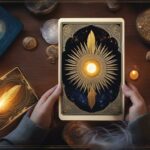

Tarot card pulling is a fundamental skill in tarot reading, allowing you to tap into the wisdom and guidance that the cards hold. By learning the art of pulling tarot cards, you open yourself up to a deeper understanding of yourself, your circumstances, and the choices that lie ahead. Whether you are a beginner or have some experience with tarot, this guide will provide you with the techniques and methods to pull tarot cards effectively.
Key Takeaways:
- Select a tarot deck that resonates with your intuition and connects with your energy.
- Understand the structure of a standard tarot deck, consisting of Major Arcana and Minor Arcana cards.
- Formulate clear and open-ended questions before pulling cards for a reading.
- Use different shuffling techniques and choose the number of cards based on your preference or the spread you are using.
- Interpret the cards by reflecting on their imagery, consulting guidebooks if needed, and trusting your intuition.
Selecting the Right Tarot Deck
Before you can start pulling tarot cards, it’s crucial to find a deck that resonates with you and sparks your intuition. Tarot decks come in various designs, themes, and artistic styles, allowing you to choose one that speaks to your personal aesthetic and connects with your energy.
Standard tarot decks consist of 78 cards, which are split into two main categories: the Major Arcana and the Minor Arcana. The Major Arcana cards represent significant life lessons and themes, while the Minor Arcana cards focus on specific daily challenges and experiences. The Minor Arcana is further divided into four suits – Cups, Wands, Swords, and Pentacles – each associated with different areas of life, such as emotions, passion, intellect, and material world.
When selecting a tarot deck, take the time to explore different options and see which one grabs your attention. Look for artwork, imagery, and symbolism that resonates with you personally. Trust your intuition and choose a deck that speaks to your soul, as this will enhance the connection between you and the cards. Many tarot decks also come with guidebooks or companion apps that provide interpretations and insights, which can be helpful, especially for beginners.
| Choosing the Right Tarot Deck | Things to Consider |
|---|---|
| Artistic style | Find a deck with artwork that resonates with your personal taste and speaks to your intuition. |
| Theme | Consider decks with themes that align with your interests and spiritual beliefs. |
| Guidebook or app | Check if the deck comes with a companion guidebook or app to provide interpretations. |
| Personal connection | Trust your intuition and choose a deck that feels right for you. |
Tarot Card Drawing Tips
Once you have selected a tarot deck, familiarize yourself with the cards and their meanings. Spend time observing each card, reflecting on its symbolism, and studying its interpretation. The more you connect with the cards on an intuitive level, the easier it will be to pull accurate and insightful readings.
When you’re ready to start a reading, find a quiet and comfortable space where you can relax and focus your energy. Begin by formulating a clear and open-ended question that you wish to explore through the cards. This will help provide direction and focus for your reading.
Shuffle the deck using a technique that feels comfortable to you. You can try overhand shuffling, where you hold the cards in one hand and use your other hand to pull small groups of cards and stack them together. Alternatively, you can cut the deck into smaller piles and then place them back together in a random order. Experiment with different shuffling methods and find the one that feels most natural for you.
After shuffling, choose a card or multiple cards depending on your preference or the spread you are using. Lay the cards face down in a spread, such as a linear three-card spread or the Celtic Cross, which provides insight into different aspects of your life. Take a moment to connect with your intuition before turning the cards over and begin interpreting their meaning.
Remember, tarot is a deeply personal and intuitive practice. Trust your intuition to guide you as you analyze the imagery, symbols, and meanings of the cards. As you gain experience, your connection with the tarot deck will deepen, allowing you to tap into your inner wisdom and receive valuable insights.
Preparing for the Reading
To ensure a meaningful and effective tarot reading, it’s essential to create a conducive environment and establish a personal ritual that helps you connect with the cards. Tarot card pulling for beginners can be a transformative experience when approached with intention and respect. Here are some Tarot card pulling rituals and instructions to help you prepare for your reading:
Create a Sacred Space
Find a quiet and comfortable place where you can focus without distractions. Clear the area of clutter and set the mood with soft lighting or candles. Consider surrounding yourself with crystals or other objects that hold personal meaning. This sacred space will help you establish a connection with the cards and create a sense of reverence for the reading.
Set Your Intention
Before pulling tarot cards, take a moment to center yourself and set your intention for the reading. Reflect on what you hope to gain or the questions you seek answers to. State your intention aloud or silently, infusing it with your energy and purpose. This simple act helps you align with the cards and invites meaningful insights to flow.
Ground and Cleanse
Grounding and cleansing techniques can further enhance your connection with the cards. You can visualize roots extending from your feet into the earth, grounding you and creating a strong energetic foundation. Additionally, you may choose to cleanse the deck by smudging it with sage or using crystals with cleansing properties, such as clear quartz. These practices help clear any stagnant or negative energies, ensuring a fresh and receptive atmosphere for your reading.
Practice Self-Care
Lastly, remember to take care of yourself before and after a tarot reading. Engage in activities that promote relaxation and self-reflection, such as meditation or journaling. This self-care routine helps you maintain balance and process any emotions that may arise during the reading. Tarot card pulling is a deeply personal practice, and prioritizing your well-being will contribute to a more insightful and fulfilling experience.
| Key Rituals | Instructions |
|---|---|
| Create a Sacred Space | Clear the area of clutter and distractions. Set the mood with soft lighting, candles, and meaningful objects. |
| Set Your Intention | Take a moment to center yourself and state your intention for the reading aloud or silently. |
| Ground and Cleanse | Visualize grounding roots and use cleansing methods such as smudging or crystals. |
| Practice Self-Care | Engage in relaxation techniques like meditation or journaling before and after the reading. |
Techniques for Pulling Tarot Cards
Once you’re ready to begin your reading, there are several techniques you can use to pull tarot cards and reveal the guidance they hold. To start, it’s important to select a tarot deck that resonates with your intuition and speaks to you on a personal level. The standard tarot deck consists of 78 cards, divided into two categories: Major Arcana and Minor Arcana. The Major Arcana cards represent significant life lessons and themes, while the Minor Arcana cards relate to daily challenges and experiences.
To begin your tarot reading, ask a clear and open-ended question that you seek guidance on. This will help focus the energy and intention of the reading. Once you have your question in mind, shuffle the deck using techniques like overhand shuffling or cutting the deck. These methods help infuse your energy into the cards and create a connection.
After shuffling, you can choose to pull a single card or multiple cards, depending on your preference or the specific spread you are using. There are various spreads you can choose from, such as the linear three-card spread or the popular Celtic Cross spread. Each spread offers a different perspective or insight into various aspects of your life.
Once you have pulled the cards, lay them face down in your chosen spread and take a moment to connect with your intuition. Trust your inner guidance as you reveal and interpret the cards. Reflect on the imagery, symbols, and meanings of each card, using your intuition and any guidebooks you may have as tools to assist you. Remember, there is no right or wrong interpretation – trust yourself and the messages that come through.
Now, let’s take a look at a table that summarizes some popular tarot card spreads:
| Spread | Description |
|---|---|
| Linear Three-Card Spread | A simple spread with three cards, representing past, present, and future. |
| Celtic Cross Spread | A comprehensive spread with ten cards, providing insights into various areas of life, including relationships, career, and spirituality. |
| Relationship Spread | A spread specifically designed to gain clarity and understanding in matters of the heart and relationships. |
Remember, tarot card pulling is a deeply personal practice, and each reader may have their own unique approach. The key is to trust your intuition, connect with the cards, and allow them to guide you on your journey of self-discovery and growth.
Interpreting the Tarot Cards
As you turn over the pulled cards, it’s important to engage with their symbolism and trust your intuitive insights to interpret their meaning in the context of your question. The imagery and symbols on each card hold significant messages and messages that can provide guidance and clarity. Take the time to study the card’s details, paying attention to the colors, figures, and objects depicted. These visual cues often hold deep significance and can help unlock the card’s message.
Consulting a guidebook can be helpful, especially if you are a beginner or unfamiliar with a particular deck. Guidebooks provide detailed explanations of each card’s meaning and can offer insights into the specific interpretations associated with that deck. However, it’s important to remember that interpretation is subjective, and your intuition should guide your understanding of the cards. Trust your instincts and allow your subconscious to communicate with you through the symbols and messages presented.
In addition to studying the individual cards, considering their placement within the spread is crucial. Each position within a tarot spread has a designated meaning or represents a specific aspect of your life. By considering the card’s meaning in conjunction with its position, you can gain deeper insights into the situation at hand. Take note of any patterns or connections that emerge between the cards, as this may offer further clarity and understanding.
| Tarot Spread | Purpose |
|---|---|
| Linear three-card spread | A simple spread that provides insights into your past, present, and future. |
| Celtic Cross | A complex spread that offers comprehensive guidance on a specific question or situation. |
| Relationship spread | Focuses on the dynamics and challenges within a relationship, offering insights and advice. |
Remember, the interpretation of tarot cards is not an exact science but rather a personal and intuitive process. With practice and patience, you will develop your unique understanding of the cards and their messages. Engaging with the symbolism, trusting your intuition, and considering the placement within the spread will help you unlock the wisdom and insights that the tarot cards hold.
Incorporating Tarot Into Your Practice
To deepen your connection with tarot and harness its power, consider integrating regular tarot card pulling rituals into your personal practice. By incorporating these rituals into your routine, you can create a sacred space for self-reflection, gain insights into your life’s journey, and develop a stronger connection with your intuition.
One way to incorporate tarot card pulling rituals into your practice is by establishing a consistent time and place for your readings. Find a quiet and comfortable space where you can focus and connect with the energy of the cards. This could be a cozy corner of your home, a peaceful outdoor setting, or a designated sacred space adorned with meaningful objects.
During your tarot card pulling rituals, you may choose to include additional practices that enhance the experience. This could involve lighting candles, burning incense, or playing soothing music to create a serene atmosphere. You might also consider incorporating meditation or breathwork techniques to center yourself before beginning your readings.
As you develop your personal tarot practice, it’s important to approach your card pulling rituals with an open mind and a sense of curiosity. Remember that tarot is a tool for self-reflection and guidance. Trust your intuition and allow the cards to speak to you in their own unique way. Over time, you will start to develop a deeper understanding of the symbolism and meaning behind each card, and your readings will become more insightful and meaningful.
What is the Proper Technique for Spreading Tarot Cards?
Spreading tarot cards made easy: To perform a tarot card spread, start by shuffling the deck thoroughly. Then, place the cards facedown on a flat surface. With intention, choose the desired spread and position the cards accordingly. Begin turning them over one by one, interpreting their meanings in relation to the question or situation. Trust your intuition and practice regularly to enhance your tarot reading skills.
Conclusion
By mastering the skill of tarot card pulling, you open a gateway to self-discovery and gain access to the ancient wisdom and guidance that tarot cards hold. The first step is to select a deck that speaks to you and resonates with your intuition. Remember, standard tarot decks consist of 78 cards, divided into Major Arcana and Minor Arcana cards. The Major Arcana cards delve into profound life lessons and overarching themes, while the Minor Arcana cards focus on daily challenges and experiences in specific areas of life.
Once you have selected your deck, begin your reading by formulating a clear and open-ended question. Shuffle the cards using techniques like overhand shuffling or cutting the deck. Then, choose to pull a single card or multiple cards, depending on your preference or the spread you are using. Lay the cards facedown in a spread and take a moment to connect with your intuition before revealing them.
As you uncover the cards, pay attention to the imagery and symbols present. Reflect on their meaning and consult a guidebook if needed. Ultimately, trust your intuition to interpret the messages they convey. To gain further insight into different aspects of your life, explore various spreads like the linear three-card spread or the renowned Celtic Cross. These spreads offer a deeper understanding of love, career, spirituality, and more.
Finally, incorporate tarot card pulling into your daily, weekly, or monthly practice to enhance your intuitive abilities and connect with your inner wisdom. Whether you pull a card each morning for guidance or engage in a weekly reading for self-reflection, tarot can serve as a powerful tool for personal growth and introspection. Embrace this ancient practice, and let the tarot cards illuminate your journey.