
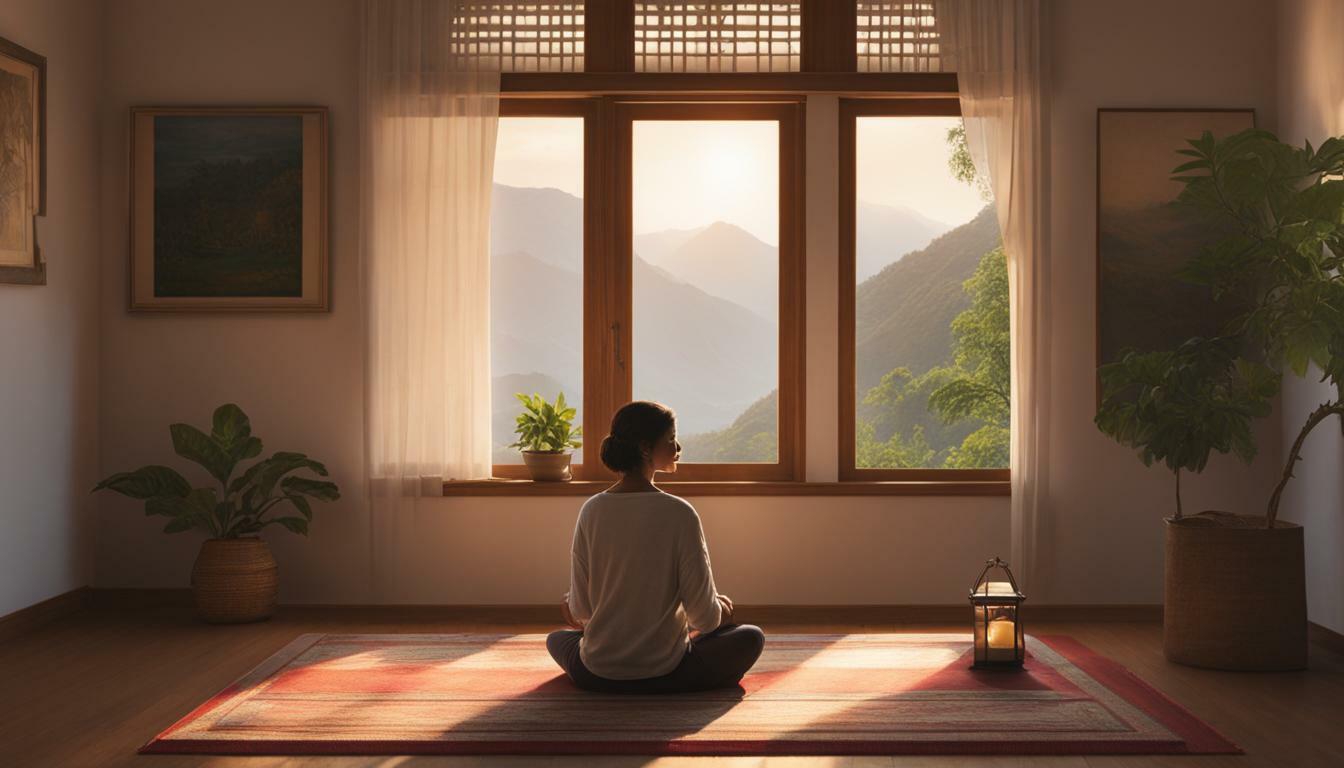
Are you ready to experience the benefits of meditation? Learn how to start meditation for the first time with this easy guide.
If you’re interested in starting meditation for the first time, here are some easy steps to help you get started. First, start with just two minutes of meditation a day and gradually increase the time as you practice. It’s important to make meditation a daily habit, so set a reminder and find a quiet and comfortable place to sit. Don’t worry too much about the details or clearing your mind – just sit and focus on your breath. When your mind wanders, gently bring your attention back to your breath. Practice with a friendly attitude and don’t worry about doing it wrong – there’s no perfect way to meditate. You can also try a body scan or focus on the light, sounds, and energy around you. Finally, commit yourself to the practice and find a community or guided meditation to help you along the way. Remember to smile at the end of your meditation and be grateful for the time you took for yourself. Meditation may not always be easy, but with consistent practice, it can have amazing benefits for your well-being.
Key Takeaways
- Start with just two minutes of meditation a day and gradually increase the time as you practice.
- Make meditation a daily habit by setting a reminder and finding a quiet, comfortable place to sit.
- Don’t worry about the details or clearing your mind – just sit and focus on your breath.
- When your mind wanders, gently bring your attention back to your breath.
- Experiment with different meditation techniques, such as body scans or focusing on your surroundings.
Why Should You Start Meditating?
Discover the many reasons why starting a meditation practice can have a positive impact on your overall health and well-being.
Meditation is a powerful tool that can help reduce stress, increase mindfulness, and promote a sense of inner calm. By taking a few minutes each day to quiet the mind and focus on the present moment, you can experience a variety of benefits that extend beyond the meditation session itself.
- Improved mental clarity and focus
- Reduced anxiety and stress
- Enhanced emotional well-being
- Increased self-awareness
- Boosted creativity and problem-solving abilities
- Better sleep quality
- Enhanced immune system function
- Improved overall physical health
These are just a few of the many reasons why incorporating meditation into your daily routine is worth considering. Whether you’re a beginner or have some experience with meditation, there are various techniques and practices available to suit your needs. From simple breathing exercises to guided visualizations, you can explore different methods and find what works best for you.
Beginner’s Guide to Meditation
If you’re new to meditation, it’s important to approach it with an open mind and a non-judgmental attitude. Remember, there’s no right or wrong way to meditate. The key is to find a comfortable position, focus on your breath, and allow your thoughts to come and go without attaching to them. It may take some time and practice to develop a regular meditation habit, but the effort is well worth it.
“Meditation is not a means of making your mind quiet. It’s a way of entering into the quiet that’s already there – buried under the 50,000 thoughts the average person thinks every day.” – Deepak Chopra
So, why not take a few moments each day to sit in stillness, connect with your inner self, and experience the many benefits that meditation has to offer? Start your meditation journey today and discover the transformative power of this ancient practice.
| Benefits of Meditation | Techniques to Try |
|---|---|
| Improved mental clarity and focus | Breathing exercises |
| Reduced anxiety and stress | Guided visualizations |
| Enhanced emotional well-being | Loving-kindness meditation |
| Increased self-awareness | Mantra meditation |
| Boosted creativity and problem-solving abilities | Body scan meditation |
| Better sleep quality | Focus on sounds and energy |
| Enhanced immune system function | |
| Improved overall physical health |
Getting Started: Easy Meditation Techniques for Beginners
Ready to take your first steps into the world of meditation? Explore these beginner-friendly meditation techniques that will help calm your mind and relax your body. Whether you’re new to meditation or looking for simple exercises to incorporate into your practice, these techniques are a great starting point.
1. Breath-focused Meditation
One of the easiest ways to begin your meditation journey is by focusing on your breath. Find a comfortable position, close your eyes, and take a few deep breaths to center yourself. Then, shift your attention to your breath, noticing the inhalation and exhalation. Observe the sensation of the breath flowing in and out of your body. If your mind starts to wander, gently bring your focus back to your breath. This simple practice can help you cultivate mindfulness and bring a sense of calm.
2. Body Scan Meditation
In this technique, you’ll bring your attention to different parts of your body, systematically scanning and releasing any tension or discomfort. Start by sitting comfortably and taking a few deep breaths. Then, begin to bring your awareness to your toes. Notice any sensations or areas of tension in your toes, and as you exhale, allow them to relax. Slowly move your attention up through your body, scanning each part and releasing any tension you find. This practice can help promote relaxation and body awareness.
3. Visualization Meditation
Visualization is a powerful technique that can enhance your meditation experience. Start by closing your eyes and taking a few deep breaths to relax. Then, imagine a peaceful and serene place, such as a beach or a forest. Visualize the details of this place – the sights, sounds, and smells. Allow yourself to fully immerse in this visualized environment, engaging your senses. This technique can help calm the mind and create a sense of tranquility.
Remember, meditation is a personal practice, so feel free to experiment and find what works best for you. With regular practice and patience, you’ll discover the incredible benefits of meditation in your daily life. So, set aside a few minutes each day, find a quiet space, and embark on your meditation journey. Happy meditating!
| Technique | Benefits |
|---|---|
| Breath-focused Meditation | Enhances mindfulness, calms the mind |
| Body Scan Meditation | Promotes relaxation, increases body awareness |
| Visualization Meditation | Creates a sense of tranquility, aids in stress reduction |
Creating a Daily Meditation Habit
Consistency is key when it comes to reaping the benefits of meditation. Learn how to create a daily meditation habit that fits seamlessly into your life.
If you’re interested in starting meditation for the first time, here are some easy steps to help you get started. First, start with just two minutes of meditation a day and gradually increase the time as you practice. It’s important to make meditation a daily habit, so set a reminder and find a quiet and comfortable place to sit.
Don’t worry too much about the details or clearing your mind – just sit and focus on your breath. When your mind wanders, gently bring your attention back to your breath. Practice with a friendly attitude and don’t worry about doing it wrong – there’s no perfect way to meditate. You can also try a body scan or focus on the light, sounds, and energy around you.
Finally, commit yourself to the practice and find a community or guided meditation to help you along the way. Remember to smile at the end of your meditation and be grateful for the time you took for yourself. Meditation may not always be easy, but with consistent practice, it can have amazing benefits for your well-being.
| Key Points | Benefits |
|---|---|
| Start with just two minutes a day | Gradually increase the time as you practice |
| Set a reminder and find a quiet place to sit | Make meditation a daily habit |
| Focus on your breath and bring your attention back when your mind wanders | Practice with a friendly attitude and no worry about doing it wrong |
| Try a body scan or focus on the light, sounds, and energy around you | Commit to the practice and find support from a community or guided meditation |
| Smile and be grateful at the end of your meditation | Consistent practice can have amazing benefits for your well-being |
Overcoming Challenges and Common Misconceptions
Don’t let common challenges discourage you from starting or continuing your meditation practice. Discover how to overcome obstacles and misconceptions that often arise for beginners.
One common challenge beginners face is the misconception that meditation requires a completely clear and empty mind. The truth is, our minds naturally wander, and it’s completely normal. The key is to notice when your mind has wandered and gently bring your attention back to your breath or chosen focal point. Remember, meditation is not about achieving perfection, but rather cultivating awareness and acceptance of the present moment.
| Common Misconceptions | Overcoming Challenges |
|---|---|
| “I don’t have enough time.” | Start with just a few minutes a day and gradually increase the duration as you develop a habit. Find pockets of time throughout your day to squeeze in a quick meditation session. |
| “I can’t sit still for that long.” | Experiment with different meditation postures. You can sit on a cushion, a chair, or even lie down. Find a position that is comfortable for you and allows you to focus without distraction. |
| “I can’t stop my thoughts.” | Instead of trying to stop your thoughts, shift your focus to observing them without judgment. Treat your thoughts like passing clouds in the sky, allowing them to come and go without getting attached to them. |
Another challenge that beginners often encounter is restlessness or discomfort during meditation. It’s natural for the body to experience discomfort when sitting for extended periods, especially if you’re not accustomed to it. To address this, make sure you’re in a comfortable position and consider incorporating gentle movements or stretches before or after your meditation practice.
Lastly, it’s important to remember that meditation is an individual practice, and everyone’s experience will be different. Don’t compare yourself to others or feel discouraged if you don’t experience immediate results. Trust the process and be patient with yourself. With consistent practice, you’ll gradually notice the benefits of meditation seeping into different areas of your life.
Summing Up
Starting a meditation practice can be a transformative journey, but it’s not without its challenges. By understanding common obstacles and misconceptions, you can better navigate the path of meditation and reap the rewards it has to offer. Remember, meditation is a personal practice, and your journey will be unique. Embrace the process, be gentle with yourself, and keep an open mind. Today is the perfect day to begin or continue your meditation practice, so take a deep breath, find your inner calm, and let your meditation journey unfold.
Exploring Different Meditation Techniques
Expand your meditation practice by exploring different techniques that resonate with your individual preferences and needs. Meditation is a versatile practice that offers a wide range of techniques to suit your goals and personality. From mindfulness to visualization, there are various approaches you can try to deepen your meditation experience and enhance your overall well-being.
Mindfulness Meditation
Mindfulness meditation is one of the most popular techniques for beginners. It involves paying attention to the present moment and observing your thoughts and sensations without judgment. To practice mindfulness meditation, find a comfortable position, close your eyes, and focus on your breath. Whenever your mind wanders, gently redirect your attention back to your breath. This technique helps cultivate awareness, reduce stress, and promote relaxation.
Loving-Kindness Meditation
Loving-kindness meditation, also known as Metta meditation, involves generating feelings of love, kindness, and compassion towards yourself and others. Start by sitting comfortably and silently repeat phrases such as “May I be happy, may I be healthy, may I live with ease.” Gradually extend these well-wishes to loved ones, neutral people, and even difficult individuals. This practice cultivates empathy, strengthens relationships, and helps develop a positive outlook.
Visualization Meditation
Visualization meditation uses the power of imagination to create a mental image and evoke positive emotions. Find a quiet space, close your eyes, and imagine a peaceful scene or a symbol that represents something you desire or wish to manifest. Engage all your senses to make the visualization more vivid and detailed. This technique helps enhance focus, boost motivation, and activate the subconscious mind to attract what you desire.
| Technique | Benefits |
|---|---|
| Mindfulness Meditation | Reduce stress, cultivate awareness, promote relaxation |
| Loving-Kindness Meditation | Cultivate empathy, strengthen relationships, develop a positive outlook |
| Visualization Meditation | Enhance focus, boost motivation, activate the subconscious mind |
Remember, there is no right or wrong technique when it comes to meditation. It’s all about finding what resonates with you and experimenting with different approaches. So, feel free to explore these techniques and discover the unique benefits they can offer on your meditation journey.
Finding Support and Guidance
Enhance your meditation journey by seeking support and guidance from experienced practitioners and communities. Surrounding yourself with like-minded individuals who share the same interest in meditation can provide encouragement and valuable insights.
One way to find support is by joining meditation communities. These communities often hold regular group meditation sessions, workshops, and retreats where you can connect with others on a similar path. The collective energy and shared experiences can deepen your practice and offer a sense of belonging.
Another option is to seek guidance from experienced practitioners. They can provide personalized advice, answer your questions, and offer techniques to enhance your meditation practice. Their wisdom and guidance can help you navigate any challenges you may encounter along the way.
In addition, there are meditation apps available that offer guided meditations and virtual communities. These apps provide a convenient way to access guided meditation sessions anytime, anywhere. You can also connect with fellow meditators through online forums and chat groups, sharing your experiences and receiving support.
Benefits of Seeking Support and Guidance
By seeking support and guidance, you gain access to a wealth of knowledge and resources that can enrich your meditation journey. Engaging with experienced practitioners and communities allows you to learn from their wisdom and tap into a supportive network.
Support and guidance can help you stay motivated and committed to your meditation practice. They offer accountability and encouragement, ensuring that you maintain a regular meditation habit. Additionally, connecting with others who share the same interest can foster a sense of connection and belonging.
| Key benefits of seeking support and guidance: |
|---|
| Access to experienced practitioners |
| Opportunities for group meditation sessions |
| Guidance on overcoming challenges |
| Personalized advice for your practice |
| Connection with like-minded individuals |
Remember, meditation is a personal journey, but it doesn’t have to be a solo one. Seeking support and guidance from others can enhance your experience and help you cultivate a deeper and more fulfilling meditation practice.
Conclusion
Congratulations on taking the first step towards a more peaceful and mindful life. Embrace the journey of meditation and unlock its transformative power.
If you’re interested in starting meditation for the first time, here are some easy steps to help you get started. First, start with just two minutes of meditation a day and gradually increase the time as you practice. It’s important to make meditation a daily habit, so set a reminder and find a quiet and comfortable place to sit.
Don’t worry too much about the details or clearing your mind – just sit and focus on your breath. When your mind wanders, gently bring your attention back to your breath. Practice with a friendly attitude and don’t worry about doing it wrong – there’s no perfect way to meditate.
You can also try a body scan or focus on the light, sounds, and energy around you. Finally, commit yourself to the practice and find a community or guided meditation to help you along the way. Remember to smile at the end of your meditation and be grateful for the time you took for yourself. Meditation may not always be easy, but with consistent practice, it can have amazing benefits for your well-being.
Is Om Meditation a Good Technique for Beginners?
Om meditation techniques can be an excellent starting point for beginners. This ancient practice involves repeating the mantra Om to cultivate inner peace and focus. It’s simple, accessible, and requires minimal instruction. Om meditation can calm the mind, reduce stress, and improve overall well-being. Its effectiveness lies in its ability to connect individuals with their inner selves.
FAQ
How long should I meditate for as a beginner?
Start with just two minutes of meditation a day and gradually increase the time as you practice.
Do I need to clear my mind completely during meditation?
No, don’t worry too much about clearing your mind. Just sit and focus on your breath. When your mind wanders, gently bring your attention back to your breath.
Can I meditate on things other than my breath?
Yes, you can also try a body scan or focus on the light, sounds, and energy around you.
Is there a perfect way to meditate?
No, there’s no perfect way to meditate. Don’t worry about doing it wrong and practice with a friendly attitude.
How can I make meditation a daily habit?
Set a reminder and find a quiet and comfortable place to sit. Commit yourself to the practice and find a community or guided meditation to help you along the way.
What should I do at the end of my meditation?
Smile and be grateful for the time you took for yourself.
Is meditation always easy?
Meditation may not always be easy, but with consistent practice, it can have amazing benefits for your well-being.