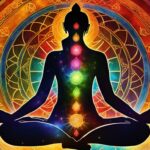

Welcome to the beginner’s guide to tantric meditation! If you’ve ever wondered what tantric meditation is and how it can benefit you, you’ve come to the right place. Tantric meditation is an ancient Indian practice that combines spirituality and sexuality, emphasizing intimacy and mindfulness. It goes beyond the physical and dives deep into the realms of the mind, body, and spirit, offering a unique approach to self-discovery, connection, and personal growth.
Contrary to popular belief, tantric meditation isn’t solely about sexual experiences. It can be practiced individually as a pathway to personal connection, pleasure, and freedom of the soul. It incorporates various techniques such as breathing exercises, yoga postures, and meditation to increase sexual energy and achieve a spiritual or energetic connection. By exploring tantric meditation, you can embark on a journey of self-exploration, heightened sensuality, and spiritual growth.
Key Takeaways:
- Tantric meditation combines spirituality and sexuality to harmonize mind, body, and spirit.
- It goes beyond sexual experiences and can be practiced for personal connection and freedom of the soul.
- Techniques like breathing exercises, yoga, and meditation are used to increase sexual energy and achieve spiritual or energetic connection.
- Tantric meditation is a pathway to self-discovery, heightened sensuality, and personal growth.
- Exploring tantric meditation can lead to a deeper understanding of oneself and a more fulfilling life.
Exploring Tantric Meditation Techniques
Tantric meditation offers a variety of techniques that can enhance your practice and help you connect with your mind, body, and spirit on a deeper level. These techniques are designed to activate your sexual energy, increase mindfulness, and promote a sense of relaxation and pleasure. By incorporating these practices into your daily routine, you can experience the transformative power of tantric meditation.
One important aspect of tantric meditation is creating a comfortable environment that allows you to relax and focus. This can include dimming the lights, playing soft music, and using comfortable cushions or blankets. By setting the right atmosphere, you can create a sacred space for your meditation practice.
Another technique commonly used in tantric meditation is deep breathing. This involves taking slow, deep breaths, allowing your breath to fill your diaphragm and exhaling slowly. Deep breathing helps activate sexual energy and brings you into a state of relaxation and presence.
Gentle movements are also an integral part of tantric meditation. These movements help release tension from your body, allowing you to connect with your physical sensations and emotions. Through gentle yoga poses and flowing movements, you can experience a sense of freedom and connection with your body.
| Technique | Description |
|---|---|
| Creating a Comfortable Environment | Dimming lights, playing soft music, and using comfortable cushions or blankets. |
| Deep Breathing | Taking slow, deep breaths to activate sexual energy and promote relaxation. |
| Gentle Movements | Flowing yoga poses and gentle movements to release tension and connect with the body. |
Tantric meditation can also be practiced with a partner through tantric sex. This involves exploring your desires, preferences, and boundaries with your partner in a mindful and intimate way. The goal of tantric sex is not solely focused on orgasm but rather on deepening the connection and experiencing profound intimacy.
By incorporating these techniques into your tantric meditation practice, you can cultivate a deeper sense of self-awareness, expand your consciousness, and enhance your overall well-being. Whether practiced individually or with a partner, tantric meditation offers a transformative path to harmonize your mind, body, and spirit.
The Benefits of Tantric Meditation
Tantric meditation offers a wide range of benefits that encompass physical, energetic, emotional, mental, and spiritual aspects. By incorporating various techniques, practitioners can experience profound transformations in their well-being and spiritual growth. Let’s explore the incredible benefits that tantric meditation can bring to your life.
Physical Benefits
Tantric meditation has been shown to have positive effects on physical health. Regular practice can help reduce blood pressure, boost the immune system, and promote overall well-being. The deep breathing techniques and gentle movements involved in tantric meditation contribute to improved circulation and increased oxygen flow throughout the body, supporting overall physical vitality.
Energetic Benefits
One of the key aspects of tantric meditation is the activation of vital energy centers within the body, known as chakras. This practice enhances awareness of subtle energies and allows for the free flow of life force energy. By awakening and harmonizing these energy centers, practitioners can experience a heightened sense of vitality, clarity, and connection to the universe.
Emotional, Mental, and Spiritual Benefits
Tantric meditation offers a profound impact on emotional well-being, providing balance, stability, and increased emotional maturity. It cultivates a deep sense of self-awareness, allowing individuals to explore and understand their emotions more fully. On a mental level, tantric meditation develops higher mental functions, concentration, and focus, leading to improved clarity of mind and enhanced cognitive abilities. Spiritually, the practice of tantric meditation can lead to higher states of consciousness and enlightenment, providing a pathway for individuals to connect with their true essence and experience profound spiritual growth.
By embracing the practice of tantric meditation, you can tap into the transformative power it holds and unlock the immense benefits it offers on multiple levels of your being. Whether you seek physical health and vitality, energetic balance, emotional stability, mental clarity, or spiritual growth, tantric meditation can guide you on your journey to a more harmonious and fulfilling life.
The Philosophy Behind Tantric Meditation
Tantric meditation is rooted in a rich and intricate philosophy that encompasses various spiritual concepts and Eastern traditions. At its core, it seeks to expand consciousness and free the soul, recognizing that all universal powers reside within each individual. By engaging in specific practices, such as asanas (yoga postures), pranayama (breathing exercises), bandhas (energetic locks), mudras (hand gestures), and mantras (sacred chants), practitioners can awaken their self-realization potential and tap into their inner powers.
A central aspect of tantric philosophy is the understanding that the body is considered the ultimate yantra, a sacred geometrical symbol representing the divine. Through the practice of tantric meditation, practitioners aim to awaken and raise the dormant kundalini energy from the base of the spine through the chakras, or energy centers, to pure consciousness. This process is believed to bring empowerment, healing, and fulfillment on physical, emotional, mental, and spiritual levels.
The Rising of Kundalini Energy
“Tantric meditation offers a pathway for individuals to unlock their inner potential and experience profound transformation. By engaging with the philosophy and practices of tantra, practitioners can tap into the vast reservoir of energy within themselves and awaken to a deeper sense of self-awareness and connection.”
By working with these principles, tantric meditation allows individuals to explore their own spiritual journey, cultivating a greater sense of self-awareness, and deepening their connection to the divine. The philosophy behind tantric meditation invites practitioners to embrace the inherent power within them and embark on a journey of self-discovery and self-realization.
| Key Concepts | Definition |
|---|---|
| Yantra | A sacred geometrical symbol representing the divine |
| Kundalini | The dormant spiritual energy located at the base of the spine |
| Chakras | Energetic centers in the body associated with different qualities and aspects of consciousness |
| Asanas | Yoga postures that enhance physical and energetic alignment |
| Pranayama | Breathing exercises that regulate and enhance the flow of life force energy |
| Bandhas | Energetic locks that redirect and channel the flow of energy |
| Mudras | Hand gestures that facilitate the flow of energy |
| Mantras | Sacred chants that invoke specific energies and vibrational frequencies |
Tantric Meditation Techniques and Variations
Tantric meditation offers a wide range of techniques and variations to explore and enhance your practice. These techniques can deepen your connection with yourself, increase your awareness of subtle energies, and help you tap into your inner power. Here are some commonly known techniques:
Arousal of the Chakras
This technique involves focusing on the different energy centers in your body, known as chakras, and activating them through visualization, breathwork, and intention. By harmonizing the flow of energy in your chakras, you can experience a greater sense of balance and alignment.
Meditation on Yantras and Mandalas
Yantras and mandalas are sacred geometric symbols that can be used as focal points for meditation. By gazing at these intricate designs, you can quiet your mind, deepen your concentration, and access higher states of consciousness.
Laya Yoga
Laya Yoga is a powerful form of tantric meditation that combines breathwork, visualization, and mantra chanting. It aims to dissolve the boundaries between the individual self and the universal consciousness, leading to a profound sense of unity and transcendence.
It’s important to note that each technique requires guidance and initiation from a qualified teacher to fully experience its benefits. A teacher can provide personalized instruction, answer your questions, and ensure that you practice safely and effectively.
| Techniques | Description |
|---|---|
| Arousal of the Chakras | Focus on activating and balancing the energy centers in your body |
| Meditation on Yantras and Mandalas | Use sacred symbols as focal points to deepen your meditation practice |
| Laya Yoga | Combine breathwork, visualization, and mantra chanting to dissolve the boundaries of the self |
By exploring these tantric meditation techniques and variations, you can unlock new levels of spiritual growth, self-realization, and connection. Remember to approach your practice with an open mind, seek guidance when needed, and honor the ancient wisdom of tantra.
Understanding Tantra vs Neotantra
Tantra and neotantra are two terms that are often used interchangeably, but they actually have slight differences. It’s important to understand these distinctions when exploring and practicing tantric meditation. Tantra refers to an ancient Eastern practice that has its roots in Indian spirituality and philosophy. It developed thousands of years ago and emphasizes the connection between spirituality and sexuality, with a focus on intimacy, mindfulness, and the awakening of consciousness.
On the other hand, neotantra is a more modern, Westernized version of tantric practice. It emerged in the 20th century and incorporates some unorthodox practices and techniques. Neotantra has often been associated with new religious movements and can vary in its approach and interpretation. While both tantra and neotantra involve spiritual and energetic aspects, neotantra may deviate from traditional tantric teachings and incorporate a wider range of practices.
When exploring tantric meditation, it’s essential to be aware of these distinctions and choose a path that aligns with your personal beliefs and goals. Traditional tantra often emphasizes self-realization, spiritual growth, and union with the divine through meditation, breathwork, and yoga practices. Neotantra, on the other hand, may incorporate elements of tantra while also emphasizing sensual experiences, personal growth, and self-exploration.
Comparing Tantra and Neotantra
| Aspect | Tantra | Neotantra |
|---|---|---|
| Spiritual Philosophy | Rooted in ancient Eastern traditions | Modern interpretation with diverse influences |
| Focus | Spiritual growth and self-realization | Personal growth, sensual experiences, self-exploration |
| Practices | Meditation, breathwork, yoga | Wide range of practices, may include sensual techniques |
| Origins | Ancient Indian spiritual practices | Emergence in the 20th century |
| Teachings | Guided by traditional texts and lineages | Varies depending on the practitioner or teacher |
“Tantra emphasizes the awakening of consciousness and the union between spirituality and sexuality, whereas neotantra may focus more on personal growth and self-exploration through sensual experiences.” – Tantric Practitioner
At the end of the day, whether you choose to explore traditional tantra or neotantra, it’s essential to approach the practice with an open mind, respect, and a willingness to learn from experienced practitioners or teachers. The path you choose can greatly influence your personal journey of self-discovery, spiritual growth, and connection with yourself and others.
Conclusion
Tantric meditation is a transformative practice that offers a unique blend of spirituality, sexuality, and mindfulness. By exploring various techniques and receiving guidance from qualified teachers, you can embark on a journey of self-discovery and personal growth. Whether practiced individually or with a partner, tantric meditation allows you to harmonize your mind, body, and spirit in daily life.
Through tantric meditation, you can experience a wide range of benefits on physical, energetic, emotional, mental, and spiritual levels. This ancient practice has been shown to reduce blood pressure, boost the immune system, enhance concentration, and promote overall well-being. Additionally, it activates vital energy centers, heightens awareness of subtle energies, and fosters emotional balance and maturity.
Exploring tantric meditation opens the door to deepening your connection with yourself and your partner, unleashing your inner sensuality, and unlocking your potential for joy, healing, and spiritual growth. It is a path that allows you to tap into your self-realization potential and awaken your inner powers. Whether you are a beginner or have some experience, embracing tantric meditation can bring you closer to a state of harmony and oneness.
Can Meditation Music Enhance the Practice of Tantric Meditation for Harmonizing Mind, Body, and Spirit?
Meditation music plays a crucial role in enhancing mindfulness with music during Tantric meditation. The soothing sounds can create a peaceful environment, allowing practitioners to deepen their meditation practice. By harmonizing the mind, body, and spirit, meditation music can elevate the overall experience and promote relaxation and focus.
FAQ
What is tantric meditation?
Tantric meditation is an ancient Indian practice that combines spirituality and sexuality, emphasizing intimacy and mindfulness.
How does tantric meditation work?
Tantric meditation incorporates breathing, yoga, and meditation techniques to increase sexual energy and achieve spiritual or energetic connection.
Can tantric meditation be practiced individually?
Yes, tantric meditation can be practiced individually for personal connection, pleasure, and freedom of the soul.
What techniques are used in tantric meditation?
Tantric meditation techniques include creating a comfortable environment, practicing meditation to be aware of one’s surroundings, deep breathing to activate sexual energy, and gentle movements to connect with the body and emotions.
Is tantric meditation only about sexual experiences?
While often associated with sexual experiences, tantric meditation can also be practiced by couples for deepening their connection and discovering their preferences, with the goal of experiencing closeness and intimacy rather than solely focusing on orgasm.
What are the benefits of tantric meditation?
Tantric meditation offers numerous benefits on physical, energetic, emotional, mental, and spiritual levels. It can reduce blood pressure, improve the immune system, enhance awareness of subtle energies, provide balance and stability, develop higher mental functions, and lead to higher states of consciousness and enlightenment.
What is the philosophy behind tantric meditation?
Tantric philosophy encompasses various spiritual concepts and Eastern traditions, with the goal of expanding consciousness and freeing the soul. It recognizes that all universal powers are present within individuals, and through specific practices, practitioners can awaken their self-realization potential and tap into their inner powers.
What are some tantric meditation techniques and variations?
Tantric meditation encompasses a range of techniques including Vipassana, mantras, meditation on yantras and mandalas, arousal of the chakras, proper channeling of kundalini energy, using music in a deliberate way, and Laya Yoga. It is important to receive guidance and initiation from a qualified teacher to fully experience and benefit from these techniques.
What is the difference between Tantra and Neotantra?
Tantra refers to the ancient Eastern practice that developed thousands of years ago, while neotantra is a modern, Westernized version with unorthodox practices and techniques. Tantra is associated with spirituality and energetic aspects, whereas neotantra is associated with new religious movements.
How can tantric meditation harmonize mind, body, and spirit?
By exploring various techniques and receiving guidance from qualified teachers, tantric meditation allows individuals to deepen their connection with themselves and their partners, experience heightened sensuality, and unlock their inner potential for joy, healing, and spiritual growth.