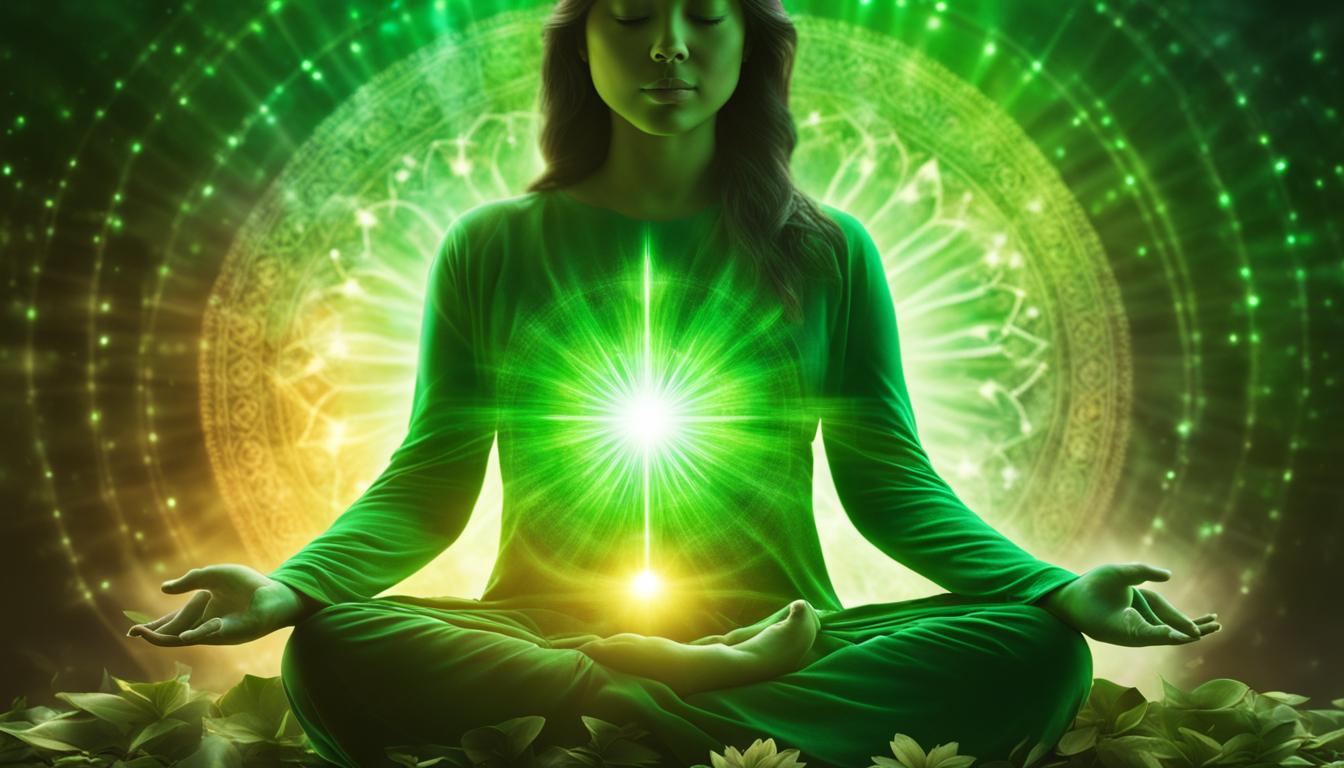
The heart chakra, also known as the Anahata chakra, is a powerful energy center located in the center of your chest. It is responsible for maintaining the flow of life force energy, known as Prana, and regulating the air element within your system. The heart chakra is closely connected with your heart, lungs, and thymus gland. Its main focus is on love and compassion, promoting emotional well-being and balance.
When your heart chakra is balanced and activated, you experience a deep sense of inner peace and compassion. It allows you to form healthy and loving connections with yourself and others. However, if your heart chakra becomes blocked, you may struggle with feelings of loneliness, isolation, and an inability to connect with others.
To unblock and open your heart chakra, there are various practices you can incorporate into your life. These include heart chakra meditation, affirmations, pranayama breathing exercises, and incorporating heart chakra crystals. By working on balancing and healing your heart chakra, you can enhance your emotional well-being and cultivate a greater sense of love and compassion in your life.
Key Takeaways:
- The heart chakra is responsible for maintaining the flow of life force energy and regulating the air element within your system.
- It is closely connected with your heart, lungs, and thymus gland.
- The heart chakra is focused on promoting love, compassion, and emotional well-being.
- When balanced and activated, it brings inner peace and the ability to form deep connections with others.
- A blocked heart chakra can lead to feelings of loneliness, isolation, and difficulty in connecting with oneself and others.
- Practices such as meditation, affirmations, breathing exercises, and using heart chakra crystals can help unblock and open the heart chakra.
What Is the Heart Chakra?
The heart chakra, also known as the anahata chakra, is the fourth energy center out of the seven chakras in the human body. It is located in the center of the chest at heart level. The heart chakra is associated with love, compassion, empathy, and forgiveness. It acts as the bridge between the lower and upper chakras, balancing the material and spiritual worlds. When the heart chakra is open and activated, it allows for the experience of unconditional love and a deeper connection with oneself and others.
To better understand the heart chakra, let’s take a closer look at its characteristics:
- Symbol: The heart chakra is symbolized by a green six-pointed star within a 12-petaled flower.
- Element: The element associated with the heart chakra is air, representing the combination of the blue space element from above and the yellow fire element from below.
- Color: The color green is attributed to the heart chakra, reflecting its connection with love and healing.
- Prana: The prana associated with the heart chakra is called “Prana,” which is the life force energy received from the air we breathe.
- Primary Emotions: Unconditional love and attachment are the primary emotions associated with the heart chakra.
The heart chakra, when balanced and activated, manifests as inner peace, compassion, and emotional balance. On the other hand, a blocked heart chakra can lead to feelings of isolation, fear of rejection, and difficulty in giving and receiving affection. Understanding the characteristics of the heart chakra can provide insights into how to unblock and open this energy center for a more balanced and fulfilling life.
| Characteristics of the Heart Chakra | |
|---|---|
| Symbol | A green six-pointed star within a 12-petaled flower |
| Element | Air |
| Color | Green |
| Prana | Prana (life force energy) received from the air we breathe |
| Primary Emotions | Unconditional love and attachment |
Characteristics of the Heart Chakra
The heart chakra, also known as the anahata chakra, is symbolized by a green six-pointed star within a 12-petaled flower. Its element is air, and its color is green, reflecting the combination of the blue space element from above and the yellow fire element from below. The heart chakra is associated with the primary emotions of unconditional love and attachment.
When the heart chakra is balanced and activated, it manifests as inner peace, compassion, and emotional balance. It allows for the experience of unconditional love and fosters a deeper connection with oneself and others. On the other hand, a blocked heart chakra can lead to feelings of isolation, fear of rejection, and difficulty in giving and receiving affection.
Recognizing the characteristics of the heart chakra is essential for understanding its role in maintaining emotional well-being and fostering love and compassion in our lives. By unblocking and opening this energy center, we can strive for a more balanced and fulfilling existence.
| Heart Chakra Characteristics: | Heart Chakra Symbol: | Heart Chakra Element: | Heart Chakra Color: | Heart Chakra Primary Emotions: | Heart Chakra Signs and Symptoms: |
|---|---|---|---|---|---|
| Unconditional love and attachment | A green six-pointed star within a 12-petaled flower | Air | Green | Unconditional love and attachment | Isolation, fear of rejection, difficulty in giving and receiving affection |
What Happens When the Heart Chakra Is Balanced and Blocked?
When the heart chakra is balanced and activated, it leads to a sense of inner peace, compassion, and emotional balance. A balanced heart chakra allows you to feel unconditional love and respect for others, fostering healthy relationships without attachments or addictions. Regardless of external conditions, you can experience a deep sense of peace and joy. Connecting with others becomes effortless, forming deep and meaningful bonds. You develop trust in others and feel comfortable with vulnerability, allowing for more intimate connections. Moreover, you feel content and at ease with yourself, embodying self-love and acceptance.
On the other hand, a blocked heart chakra can result in feelings of loneliness, insecurity, and an inability to connect with yourself and others. Fear of rejection may arise, making it challenging to trust in relationships. Issues with giving and receiving affection can surface, leading to over-dependency or distant behavior towards people who care for you. Physical symptoms such as heart palpitations, poor blood circulation, and chest pain may also manifest when the heart chakra is blocked.
To achieve balance and unblock the heart chakra, it is essential to engage in practices that promote healing and openness. By incorporating heart chakra meditation, affirmations, breathing exercises, yoga poses, and heart chakra crystals into your daily routine, you can stimulate the flow of energy in the heart chakra and restore its balance. These practices help release emotional blockages, cultivate self-love, and enhance your ability to give and receive love unconditionally.
| Signs of a Balanced Heart Chakra | Signs of a Blocked Heart Chakra |
|---|---|
| Feeling unconditional love and respect for others | Fear of rejection |
| Healthy relationships without attachments or addictions | Lack of trust in relationships |
| Experiencing peace and joy regardless of external conditions | Issues with giving and receiving affection |
| Forming deep and meaningful connections with others effortlessly | Over-dependency in relationships |
| Trusting others and feeling comfortable with vulnerability | Distant behavior towards people who care for you |
| Feeling content and at ease with oneself | Physical symptoms: heart palpitations, poor blood circulation, chest pain |
How to Unblock and Open the Heart Chakra
Unblocking and opening the heart chakra is essential for fostering love, compassion, and emotional well-being. Various practices can help in this process, allowing you to experience a deeper connection with yourself and others. Here are some effective techniques:
- Heart Chakra Meditation: Focus on the fourth energy center, the heart chakra, and chant the mantra “YAM” during meditation. This mantra enhances the experience of unconditional love and compassion, promoting healing and balance.
- Affirmations: Use positive affirmations to cultivate self-love and open-heartedness. Repeat statements such as “I am worthy of love” and “I am open to giving and receiving love” to shift your mindset and unblock the heart chakra.
- Pranayama Breathing Exercises: Practice Anulom Vilom, a balancing breath technique that harmonizes the air element associated with the heart chakra. This exercise helps clear energy blockages and promotes a sense of calm and openness.
- Heart Chakra Yoga Poses: Incorporate heart-opening yoga poses into your practice, such as camel pose, cobra pose, and fish pose. These poses stretch and activate the chest area, releasing tension and allowing energy to flow freely.
- Heart Chakra Crystals: Explore the healing properties of heart chakra crystals like rose quartz, emerald, malachite, and peridot. These crystals resonate with the heart chakra, promoting love, compassion, and emotional healing.
By incorporating these practices into your daily routine, you can unblock and open your heart chakra, allowing for greater love, compassion, and emotional balance in your life.
Remember, the journey of healing the heart chakra is unique to each individual. It is essential to listen to your intuition and allow yourself the time and space needed for healing. Be patient and gentle with yourself throughout this process, and trust that you are capable of opening your heart to love and compassion.
| Heart Chakra Healing Techniques | Description |
|---|---|
| Heart Chakra Meditation | Focusing on the heart chakra while chanting the mantra “YAM” to enhance unconditional love and compassion. |
| Affirmations | Using positive statements to cultivate self-love and open-heartedness. |
| Pranayama Breathing Exercises | Practicing Anulom Vilom to balance the air element and clear energy blockages. |
| Heart Chakra Yoga Poses | Incorporating poses that open and activate the chest area, releasing tension and promoting energy flow. |
| Heart Chakra Crystals | Utilizing crystals like rose quartz, emerald, malachite, and peridot to resonate with the heart chakra and promote healing. |
Conclusion
The heart chakra is a powerful energy center responsible for maintaining emotional well-being and cultivating love and compassion in our lives. Understanding the characteristics and functions of the heart chakra allows us to work towards achieving balance and harmony in this vital energy center.
By incorporating practices such as meditation, affirmations, breathing exercises, yoga, and the use of heart chakra crystals, we can support the healing and balancing of the heart chakra. These practices help unblock and open the heart chakra, allowing for a deeper connection with ourselves and others.
Nurturing our heart chakra contributes to overall well-being, enabling us to experience a greater sense of love, compassion, and emotional balance. Taking the time to nurture this energy center will enhance our relationships, deepen our connections, and bring more love and compassion into our lives.
Remember, finding balance in the heart chakra is an ongoing journey. Practice self-care, mindfulness, and incorporate heart-centered practices into your daily routine to maintain a healthy heart chakra and foster a fulfilling and harmonious life.
FAQ
What Is the Heart Chakra Responsible For?
The heart chakra is responsible for maintaining the flow of Prana (life force energy) and regulating the air element in our system. It symbolizes love and compassion and is closely connected with the heart, lungs, and thymus gland.
What Is the Heart Chakra?
The heart chakra, also known as the anahata chakra, is the fourth energy center located in the center of the chest. It acts as the bridge between the lower and upper chakras, balancing the material and spiritual worlds.
What Are the Characteristics of the Heart Chakra?
The heart chakra is symbolized by a green six-pointed star within a 12-petaled flower. Its element is air, and its color is green. The prana associated with the heart chakra is called “Prana,” and its primary emotions are unconditional love and attachment.
What Happens When the Heart Chakra Is Balanced and Blocked?
When the heart chakra is balanced and activated, it manifests as inner peace, compassion, and emotional balance. However, a blocked heart chakra can lead to feelings of loneliness, fear of rejection, and an inability to connect with oneself and others.
How Can I Unblock and Open the Heart Chakra?
Practices such as meditation, affirmations, pranayama breathing exercises, heart chakra yoga poses, and the use of heart chakra crystals can help unblock and open the heart chakra. Incorporating a diet that supports heart health and emotional well-being can also be beneficial.