
Animal guides have been key in myths and stories, acting as messengers and sharing spiritual wisdom across cultures. They help us see a deeper bond between humans and nature. The significance of spirit animals shows us how animals connect us to the world around us.
Since ancient times, animals have stood for many traits and virtues in myths. For instance, in Norse tales, ravens carry messages for Odin, offering guidance and wisdom. Fish symbolize both fear and respect, showing wisdom from their water home. Bears stand for strength, healing, and deep thought, while tortoises represent patience and safety with their tough shells.
Foxes, found in stories from both the West and East, are known for their smartness and ability to adapt. Their stories highlight how animal symbolism in myths goes beyond just stories. It blends with cultural beliefs and animal symbolism, showing a deep respect for nature.
Historical Perspectives on Animal Symbolism in Myths
Throughout history, animals have been key in myths, legends, and religious beliefs of ancient cultures. They were not just characters but symbols with deep meanings and teachings.
Role of Animals in Ancient Cultures
In ancient cultures, animal guides were seen as messengers from the divine. For example, Odin’s ravens in Norse culture stood for thought and memory. They were more than just Odin’s friends; they were parts of his divine powers.
In Celtic stories, salmon symbolized wisdom and knowledge. Their journey showed the search for enlightenment. Zoroastrian traditions saw fish as protectors of life and universal knowledge. This highlights the deep connection between humans and their animal guides.
Examples of Animal Symbolism in Mythology
Bears are highly respected in many mythologies. In Native American traditions, the bear stands for strength and courage, like a warrior. This historical animal symbolism is also seen in Greek myths, where bears are linked to Artemis, the goddess of the wilderness and protection.
The tortoise in Chinese myths is all about longevity and cosmic order. Its lasting presence shows its link to stability and the universe’s natural order.
Foxes, known for their cleverness and slyness, are common in folklore around the world. They symbolize adaptability and cleverness, showing how well we understand their nature and their role as animal guides.
Looking at these examples, we see how historical animal symbolism has crossed over from ancient cultures to give us a rich set of meanings. These meanings still shape our view of the natural world and its spiritual side.
The Spiritual Meaning of Animal Guides
Animal guides have a deep spiritual meaning that goes beyond the physical world. They offer us spiritual connections and insights. Many cultures see these guides as links to the spiritual realm, filled with wisdom and sacred knowledge.
Connection Between Animals and the Spiritual Realm
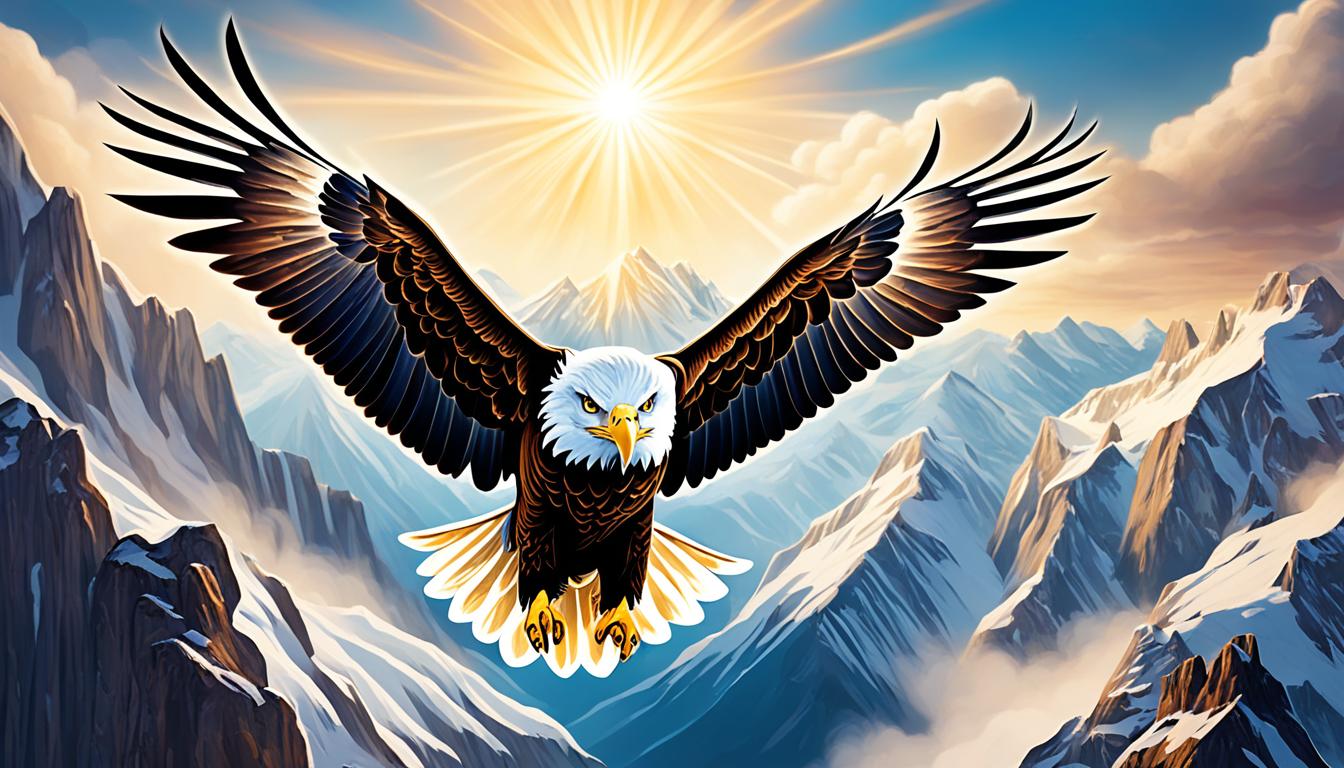
Animals have always been seen as deeply connected to the spiritual world. Birds, especially, are viewed as spiritual messengers because they can fly high in the heavens. For example, eagles symbolize strength and vision, guiding us towards higher awareness.
In many beliefs, the presence of certain animals is a sign of divine messages or spiritual guidance. These animals help us understand the spiritual world better.
Shamanic Practices Involving Animal Guides
Shamanic practices use animal symbolism in important rituals and ceremonies. Shamans work with animal guides to explore the spiritual world, seeking healing and wisdom. In Aztec culture, hummingbirds were seen as the spirits of fallen warriors and were highly respected as messengers of the gods.
These practices show how animal guides are key in helping humans communicate with the spiritual world. They offer protection and guidance on our spiritual journeys.
| Culture | Animal Guide | Spiritual Meaning |
|---|---|---|
| Native American | Eagle | Vision & Strength |
| Aztec | Hummingbird | Warrior Spirit & Divine Messenger |
| Celtic | Wolf | Guardianship & Intuition |
Mythological Creatures and Their Symbolism
Mythological creatures mix animal traits to show complex ideas. They are key in folklore, covering many cultures and times. They stand for values, lessons, and challenges that reflect our lives.
Common Animal Figures in Myths
Many mythological creatures exist worldwide, each with special traits and meanings. They blend features of known animals, creating fascinating beings. These creatures carry deep symbolic meanings in folklore.
- Kitsune – This shapeshifting fox spirit from Japanese tales symbolizes intelligence, cunning, and transformation.
- Phoenix – Revered in both Greek and Egyptian mythology, the phoenix represents rebirth and immortality.
- Dragons – Found in European and Asian myths, dragons symbolize power, wisdom, and protection.
- Unicorns – These mythical horses, prevalent in European lore, signify purity, strength, and rarity.
- Griffins – With the body of a lion and the head and wings of an eagle, griffins are emblems of strength and vigilance.
The Symbolic Meaning of Mythical Animals
The meaning of mythological creatures in folklore is complex and deep. Each one carries unique values and principles. These values deeply resonate within cultural stories.
| Creature | Culture | Symbolism |
|---|---|---|
| Kitsune | Japan | Wisdom, Transformation |
| Phoenix | Greece, Egypt | Rebirth, Immortality |
| Dragon | Europe, China | Power, Wisdom |
| Unicorn | Europe | Purity, Strength |
| Griffin | Greece | Strength, Vigilance |
Looking at these creatures and their symbolism shows how they are deeply connected to human culture. They give us insights into the symbolic meanings in folklore. These beings help us understand humanity’s quest for knowledge, growth, and connection.
The Significance of Animal Guides in Modern Times
In today’s world, animal guides are still very important in modern spirituality and animal symbolism. People look to these spiritual guides for inspiration and wisdom. They use old traditions that have been shared for many years. For instance, the Native American buffalo symbolizes life and plenty, while the skunk teaches us to set limits.
These symbols are not just old relics; they bring the contemporary significance of spirit animals into our everyday lives. They give us insights and guidance. Seeing a wolf might tell you to trust your gut feelings. A butterfly could suggest embracing change and growth. Each animal’s special traits and energies can help you grow personally and spiritually.
Animal guides connect ancient wisdom with today’s spiritual practices. They offer comfort and teach us important life lessons. By exploring modern spirituality and animal symbolism, you respect old traditions and deepen your spiritual journey.
Think about adding animal guides to your daily meditation or reflection. Notice the animals you meet and look up their meanings. You might see that the contemporary significance of spirit animals clears up confusion and gives you direction. It helps you understand yourself and the world better.
Animal Totems and Their Importance in Various Cultures
Animal totems are key in many cultures, seen as powerful symbols of wisdom. In Native American traditions, they are spiritual guides for life. People feel a strong bond with a certain animal, seeing it as part of who they are.
These totems, whether objects or symbols, mean a lot to individuals and communities. They show who we are and what we value. This bond with animals shows how important they are in our lives.
Learning about your animal totem can reveal a lot about you and your path. From the bear to the owl, each totem teaches us something special. It helps us connect with the animal world in a deep way.


