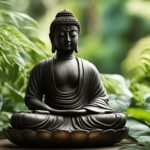

Buddhist meditation is a practice that revolves around mindfulness and awareness, helping individuals cultivate valuable qualities such as tranquility, insight, and self-awareness. Rooted in the teachings of the Buddha, this form of meditation emphasizes understanding the mind and emotions to achieve well-being and happiness. Mindfulness plays a crucial role in Buddhist meditation, allowing individuals to be fully present in the here and now.
Key Takeaways:
- Buddhist meditation focuses on mindfulness and awareness.
- It helps cultivate tranquility, insight, and self-awareness.
- The practice is based on the teachings of the Buddha.
- Mindfulness is a vital aspect of Buddhist meditation.
- Regular practice can lead to well-being and happiness.
Roots of Buddhist Meditation
Buddhist meditation has deep roots in the teachings of the Buddha, who dedicated his life to helping others understand the mind and emotions. Born in what is now Nepal, the Buddha spent many years spreading his teachings and guiding people from all walks of life. His wisdom formed the foundation of Buddhism, and meditation was a fundamental aspect of his teachings. To understand the origins of Buddhist meditation, it is essential to explore the core principles propagated by the Buddha.
The Four Noble Truths are pivotal in Buddhist philosophy and provide the framework for understanding the causes of suffering and how to find liberation from it. These truths acknowledge the existence of suffering (Dukkha), identify its causes, point towards its cessation, and reveal the path to liberation. The teachings of the Buddha emphasize that mindfulness and awareness, cultivated through meditation, are fundamental tools for gaining insight into the nature of suffering and ultimately transcending it.
The Buddha’s teachings on meditation and the Four Noble Truths continue to inspire practitioners today. By reflecting upon the origins of Buddhist meditation and the wisdom encapsulated in the Buddha’s teachings, individuals can develop a deeper understanding of the transformative power of this practice.
“The mind is everything. What you think, you become.” – The Buddha
Techniques of Buddhist Meditation
Buddhist meditation offers a variety of techniques to cultivate mindfulness, insight, and loving-kindness. These practices can be beneficial to anyone seeking inner peace and well-being, regardless of their religious beliefs. Here are three essential techniques of Buddhist meditation:
Mindfulness Meditation
Mindfulness meditation involves bringing non-judgmental awareness to the present moment. It helps us develop the ability to observe our thoughts, emotions, and sensations without getting caught up in them. By cultivating mindfulness, we can become more aware of our internal and external experiences, leading to a greater sense of clarity and acceptance.
Vipassana Meditation
Vipassana meditation, also known as insight meditation, focuses on developing deep insight into the nature of reality. It involves a systematic exploration of the body, sensations, thoughts, and emotions with a non-reactive and non-attached attitude. Through vipassana practice, we can gain a clearer understanding of the impermanent and interconnected nature of all phenomena.
Loving-Kindness Meditation
Loving-kindness meditation, also called metta meditation, cultivates qualities of compassion, love, and kindness towards ourselves and others. It involves silently repeating phrases or visualizing the well-being of oneself, loved ones, neutral individuals, and even difficult people. This practice helps to open our hearts and develop a sense of interconnectedness and empathy.
By incorporating these techniques into our daily lives, we can experience the transformative power of Buddhist meditation. Each technique offers unique benefits, from cultivating mindfulness and insight to developing qualities of compassion and love. Whether practiced individually or in combination, these techniques are gateways to greater self-awareness, inner peace, and well-being.
Benefits of Buddhist Meditation
Buddhist meditation offers numerous benefits that can significantly enhance your well-being, happiness, and overall quality of life. By engaging in regular practice, you can cultivate key qualities such as compassion, insight, and tranquility. Let’s explore some of the transformative effects that Buddhist meditation can have on your mind and body:
The Power of Well-being and Happiness
Buddhist meditation has been shown to have a positive impact on both physical and mental well-being. Studies have found that regular meditation practice can reduce stress, anxiety, and depression, while promoting feelings of calmness and inner peace. By training your mind to focus on the present moment, you can develop a greater sense of contentment and happiness in your daily life.
Cultivating Compassion and Insight
Buddhist meditation techniques, such as loving-kindness meditation, foster qualities of compassion and empathy towards oneself and others. By practicing loving-kindness, you can develop a deep sense of connection with all beings, leading to a more harmonious and compassionate approach to life. Moreover, mindfulness meditation allows you to gain insight into the nature of your thoughts, emotions, and experiences, offering a clearer understanding of yourself and the world around you.
Embracing Tranquility and Inner Peace
One of the significant benefits of Buddhist meditation is the cultivation of tranquility and inner peace. Through mindful breathing and awareness, you can learn to calm the fluctuations of the mind and find stillness within. This state of tranquility allows you to navigate life’s challenges with greater equanimity, reducing reactivity and increasing your ability to respond to situations in a more skillful and balanced way.
| Benefits of Buddhist Meditation | Keywords |
|---|---|
| Enhanced well-being | Well-being |
| Increased happiness | Happiness |
| Cultivation of compassion | Compassion |
| Development of insight | Insight |
| Promotion of tranquility | Tranquility |
Take a moment to consider how Buddhist meditation can benefit you. Whether you’re seeking to reduce stress, cultivate compassion, or gain insight into your innermost self, incorporating Buddhist meditation practices into your life can be a powerful and transformative journey.
Buddhist Meditation Practices
Buddhist meditation offers a variety of practices that can help individuals cultivate awareness, compassion, and understanding. These practices are rooted in the teachings of the Buddha and provide valuable tools for deepening one’s meditation experience. Four key practices in Buddhist meditation are the Four Foundations of Mindfulness, Buddhist motivation, the Four Immeasurables, and the Four Seals of Dharma.
Four Foundations of Mindfulness
The Four Foundations of Mindfulness are central to Buddhist meditation. They involve cultivating mindfulness of the body, feelings, mind, and phenomena. By directing our attention to these aspects of experience, we develop a deeper understanding of our physical sensations, emotions, thoughts, and the nature of reality itself. This practice helps us become more present and attuned to the richness of each moment.
Buddhist Motivation
Buddhist motivation plays a crucial role in meditation practice. It involves cultivating a genuine intention to free oneself from suffering and to develop qualities of compassion and discernment. This motivation serves as a guiding force, reminding us of the purpose and benefits of our meditation practice. It helps us stay committed and dedicated to our journey of self-discovery and transformation.
Four Immeasurables
The Four Immeasurables, also known as the boundless thoughts, are often included in Buddhist prayers and meditations. They are qualities of the heart that we cultivate towards ourselves and others: loving-kindness, compassion, joy, and equanimity. These qualities help us expand our capacity to care for and connect with all beings, fostering a sense of interconnection and well-being.
Four Seals of Dharma
The Four Seals of Dharma are fundamental concepts in Buddhism that provide insights into the nature of reality and the path to liberation. They are impermanence, suffering, selflessness, and nirvana. Reflecting on these seals helps us deepen our understanding of the transient and interconnected nature of existence, leading to greater wisdom and liberation from suffering.
By incorporating these practices into our meditation journey, we can enhance our experience and cultivate qualities that bring about greater awareness, compassion, and insight. Each practice offers unique insights and benefits that contribute to our overall well-being and spiritual growth. Take the time to explore these practices and discover the transformative power of Buddhist meditation.
| Practice | Description |
|---|---|
| Four Foundations of Mindfulness | Cultivating mindfulness of the body, feelings, mind, and phenomena. |
| Buddhist Motivation | Cultivating a genuine intention to free oneself from suffering and develop compassion and discernment. |
| Four Immeasurables | Fostering loving-kindness, compassion, joy, and equanimity towards oneself and others. |
| Four Seals of Dharma | Reflecting on impermanence, suffering, selflessness, and nirvana to deepen understanding and liberation. |
How to Practice Buddhist Meditation
Practicing Buddhist mindfulness meditation can help you cultivate deep awareness and tranquility. Here are some steps to guide you in your practice:
Motivation and Connection
Before you begin your meditation session, take a moment to recall your motivation. Connect with your compassionate heart, reminding yourself of the intention to alleviate suffering and cultivate well-being for yourself and others.
Posture and Breath
Find a comfortable posture that supports your practice. You can sit cross-legged on a cushion or chair, ensuring your spine is straight and relaxed. Gently close your eyes or maintain a soft gaze. Bring your attention to your breath, following the natural rhythm of inhalation and exhalation.
Observing Mind Wandering
As you settle into your meditation, you may notice that your mind wanders. This is normal and part of the practice. When you become aware that your attention has drifted away, gently and non-judgmentally bring it back to the breath or your chosen point of focus. Be patient with yourself as you continue to cultivate mindfulness.
Integration into Daily Life
After each meditation session, take a moment to reflect on your practice and reconnect with your motivation. Carry the awareness and presence cultivated during meditation into your daily life. Apply the insights gained from your practice to your interactions, thoughts, and actions, fostering a sense of well-being and compassion in your everyday experiences.
| Benefits of Practicing Buddhist Meditation | Techniques | Tips for Practicing |
|---|---|---|
|
|
|
By following these steps and incorporating Buddhist mindfulness meditation into your daily routine, you can experience the transformative benefits of this ancient practice. Embrace the journey of self-discovery and inner peace that Buddhist meditation offers.
Conclusion
Buddhist meditation, rooted in mindfulness and awareness, offers a transformative path to well-being, happiness, and compassion. By practicing meditation techniques inspired by Buddhism, such as mindfulness and loving-kindness, you can cultivate a deeper understanding of yourself and others, while experiencing inner peace and tranquility.
The teachings of the Buddha provide valuable insights into the nature of the mind and emotions, guiding you towards a greater sense of awareness and presence. Through regular meditation practice, you can develop the ability to observe your thoughts and emotions without judgment, fostering a sense of clarity and mental well-being.
Embarking on a journey into Buddhist meditation can have profound effects on your life. By incorporating mindfulness into your daily routine and dedicating time to cultivate inner peace, you can enhance your overall well-being and create a sustainable source of happiness from within.
So, why wait? Start your meditation practice today and unlock the transformative power of Buddhist meditation. Discover the profound benefits that mindfulness, compassion, and insight can bring to your life, and embark on a path towards greater well-being and happiness.
– Is Buddhist Meditation Different from Other Forms of Meditation?
Buddhist meditation techniques focus on mindfulness and insight. Unlike other forms of meditation, it emphasizes understanding meditation techniques as a means of achieving inner peace and insight into the nature of the mind. This approach aims to cultivate a deep sense of self-awareness and compassion towards oneself and others.
FAQ
What is Buddhist meditation?
Buddhist meditation is a practice associated with mindfulness and awareness. It helps cultivate core values of awareness, tranquility, and insight. The practice is based on the teachings of the Buddha, who emphasized the importance of understanding the mind and emotions to achieve well-being and happiness.
What are the roots of Buddhist meditation?
The Buddha, born in what is now Nepal, spent many years teaching his discoveries about the mind and emotions. His teachings formed the basis of Buddhism, and mindfulness meditation was an essential component of the path to freedom. The Four Noble Truths, which focus on the causes of suffering and the freedom from it, are at the core of Buddhist philosophy.
What are the techniques of Buddhist meditation?
Buddhist meditation techniques include mindfulness meditation, vipassana meditation (insight meditation), and loving-kindness meditation. Mindfulness meditation involves non-judgmental awareness of the present moment. Vipassana meditation focuses on developing insight into the nature of reality. Loving-kindness meditation cultivates qualities of compassion and love towards oneself and others.
What are the benefits of Buddhist meditation?
Buddhist meditation has been shown to have various benefits, including increased well-being, happiness, and compassion. It helps develop insight into the nature of the mind and emotions, leading to a greater understanding of oneself and others. It also cultivates a sense of tranquility and inner peace. Regular practice of Buddhist meditation can have a transformative effect on one’s life.
What are the Buddhist meditation practices?
The Four Foundations of Mindfulness, as taught by the Buddha, include mindfulness of the body, feelings, mind, and phenomena. Buddhist motivation focuses on liberation from suffering and the development of compassion and discernment. The Four Immeasurables, or boundless thoughts, are often included in prayers and reflect the wish for the well-being of oneself and others. The Four Seals of Dharma provide tools for understanding the keys to liberation.
How do I practice Buddhist meditation?
To practice Buddhist mindfulness meditation, start by recalling your motivation for meditating and connect with your compassionate heart. Find a posture that supports your practice and focus on your breath. Notice any thoughts that arise and gently redirect your attention back to the breath. It is normal to have a wandering mind at first, but with regular practice, you can develop awareness and presence. After each session, take a moment to reflect on your motivation and carry the awareness into your daily life.
What can I expect from Buddhist meditation?
Buddhist meditation, rooted in mindfulness and awareness, offers a path to well-being, happiness, and compassion. The teachings of the Buddha provide valuable insights into the nature of the mind and emotions. By practicing Buddhist meditation techniques, such as mindfulness and loving-kindness, individuals can cultivate awareness, tranquility, and insight. Regular meditation practice can lead to transformative experiences and a deeper understanding of oneself and others.